


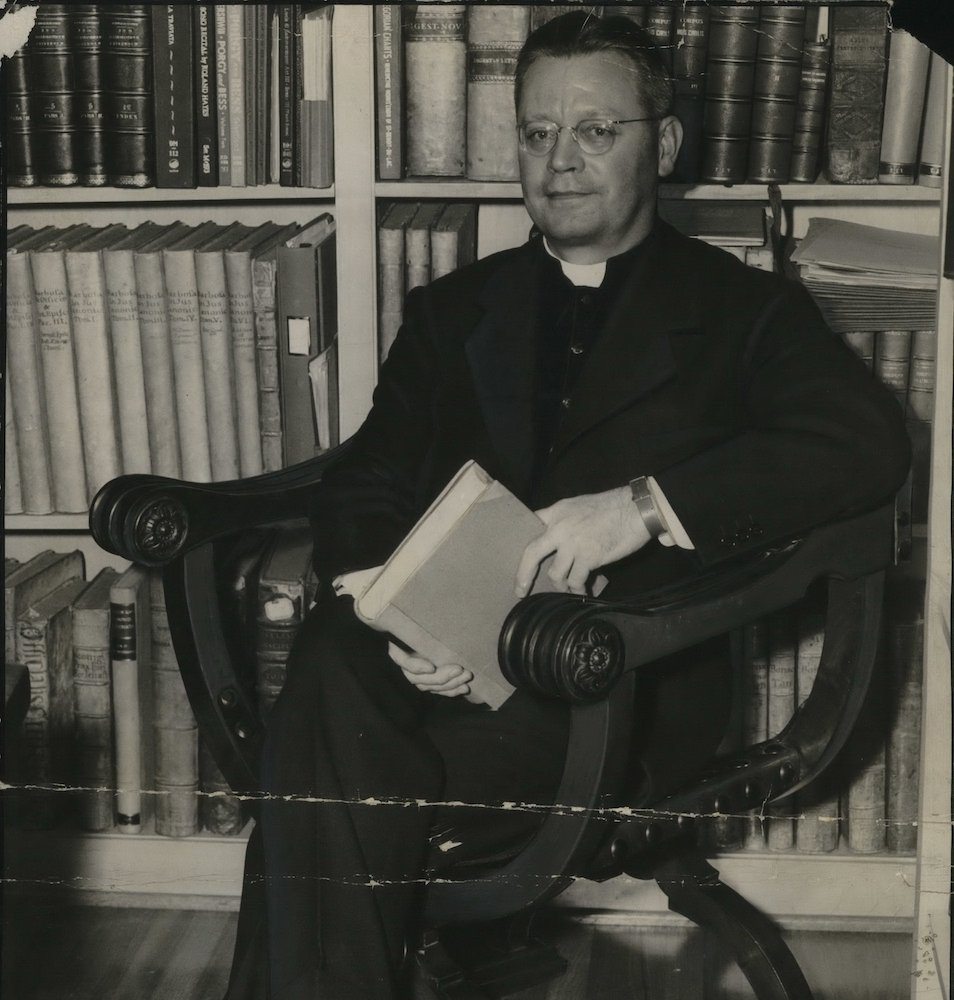
In 1937, Lee Owen Stone became the first Black Episcopal priest in Oregon. He spent almost his entire career as vicar of St. Philip the Deacon and founded or contributed to numerous social service organizations during the 1950s and 1960s, including the Portland branches of the Urban League and National Association for the Advancement of Colored People (NAACP), the Oregon Trail chapter of the American Red Cross, the Albina Neighborhood Council, and the Boys and Girls Aid Society of Oregon. He had connections to the North Branch of the Young Men’s Christian Association (YMCA), Portland Council of Social Agencies, Portland-Multnomah County United Service Organizations (USO), the Head Start Program, and the Albina Committee of War and Poverty. The Lee Owen Stone Preschool (1965) in Portland is named in his honor.
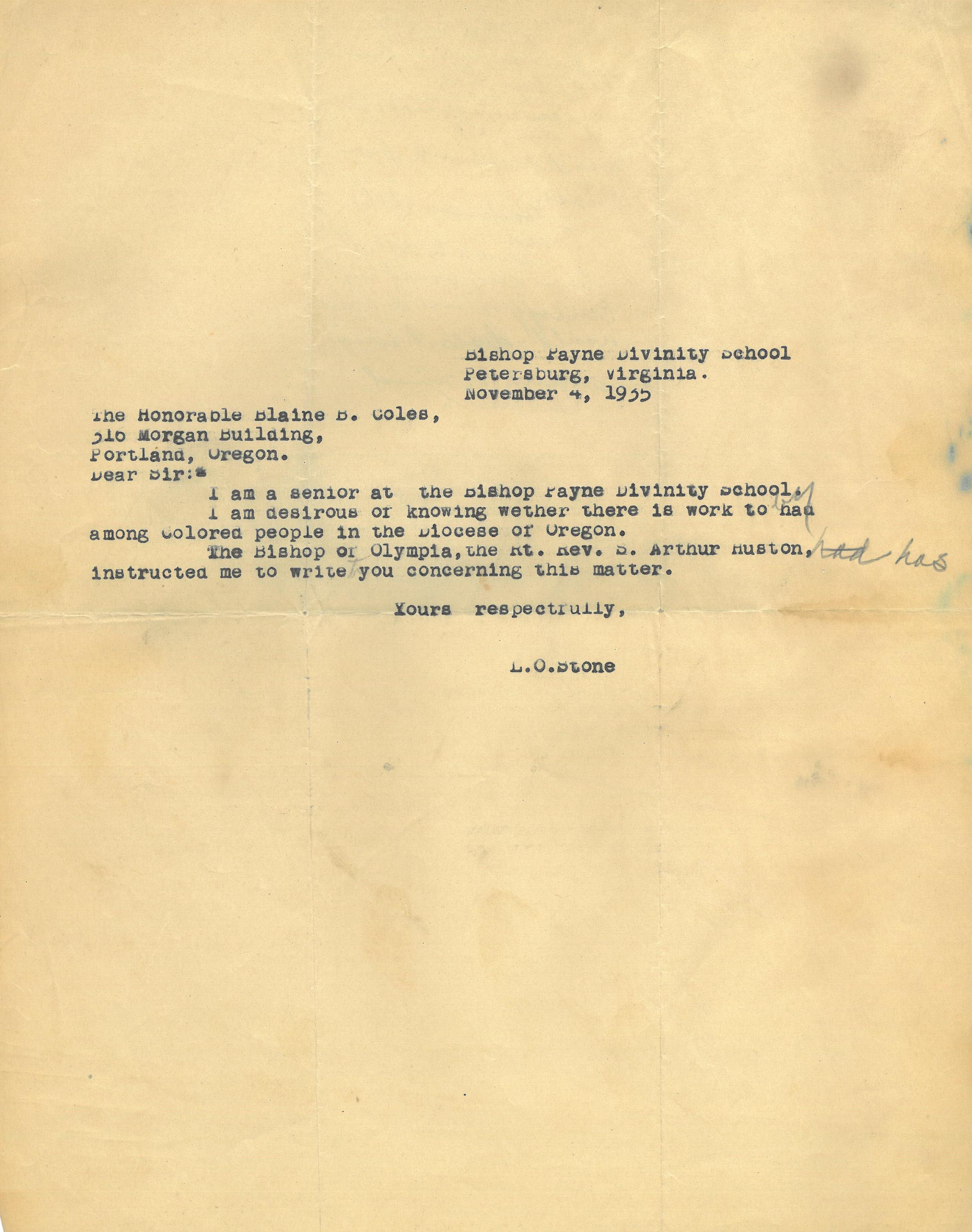
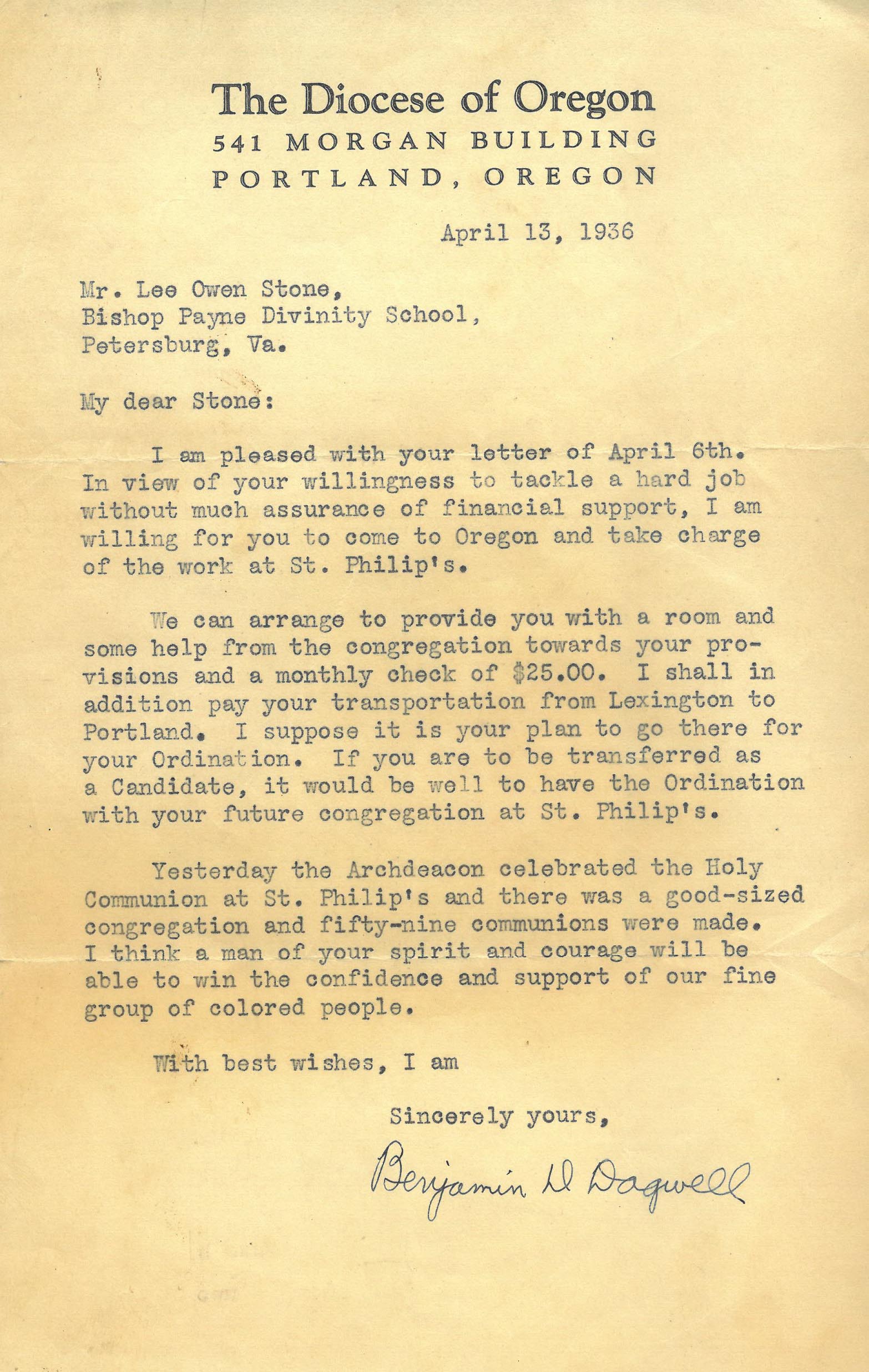
Born the first of six children on a small farm near Lexington, Kentucky, on April 27, 1903, Stone graduated from Chandler Normal School, an all-Black high school in that city before attending Ohio State University as an engineering student. Stone’s road to the ministry began when he was hired as an elementary teacher at the Kentucky House of Reform. He then studied at the Bishop Payne Divinity School in Petersburg, Virginia, and graduated in spring 1936. He was ordained in the Episcopal Diocese of Lexington, but there were no openings for priests in the area and he was forced to look elsewhere. He wrote to Episcopal bishops across the country, including the Episcopal Diocese of Western Oregon. Bishop Benjamin Dagwell accepted his letter and invited Stone to Portland.
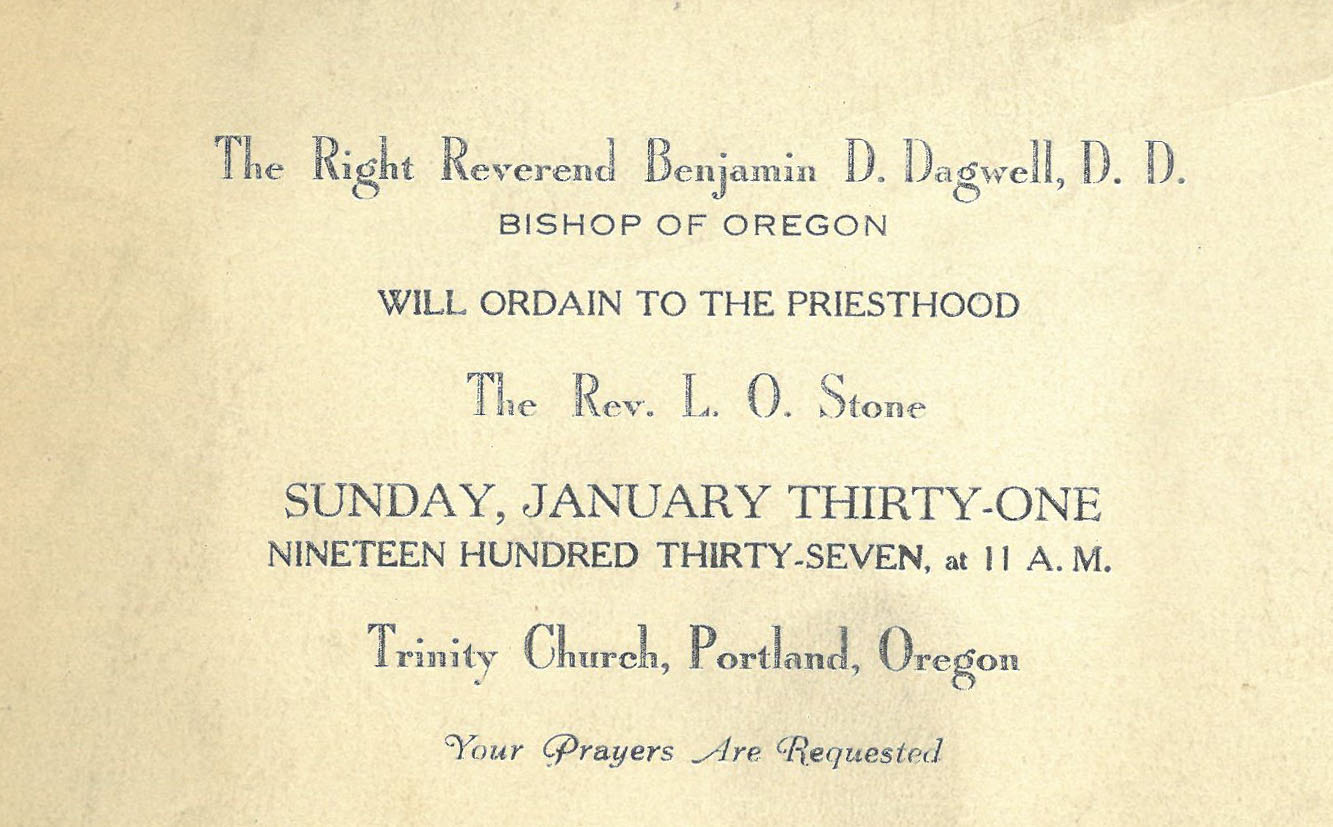
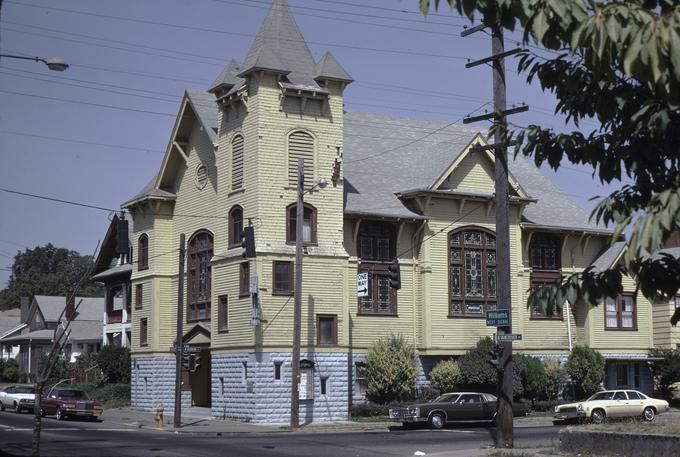
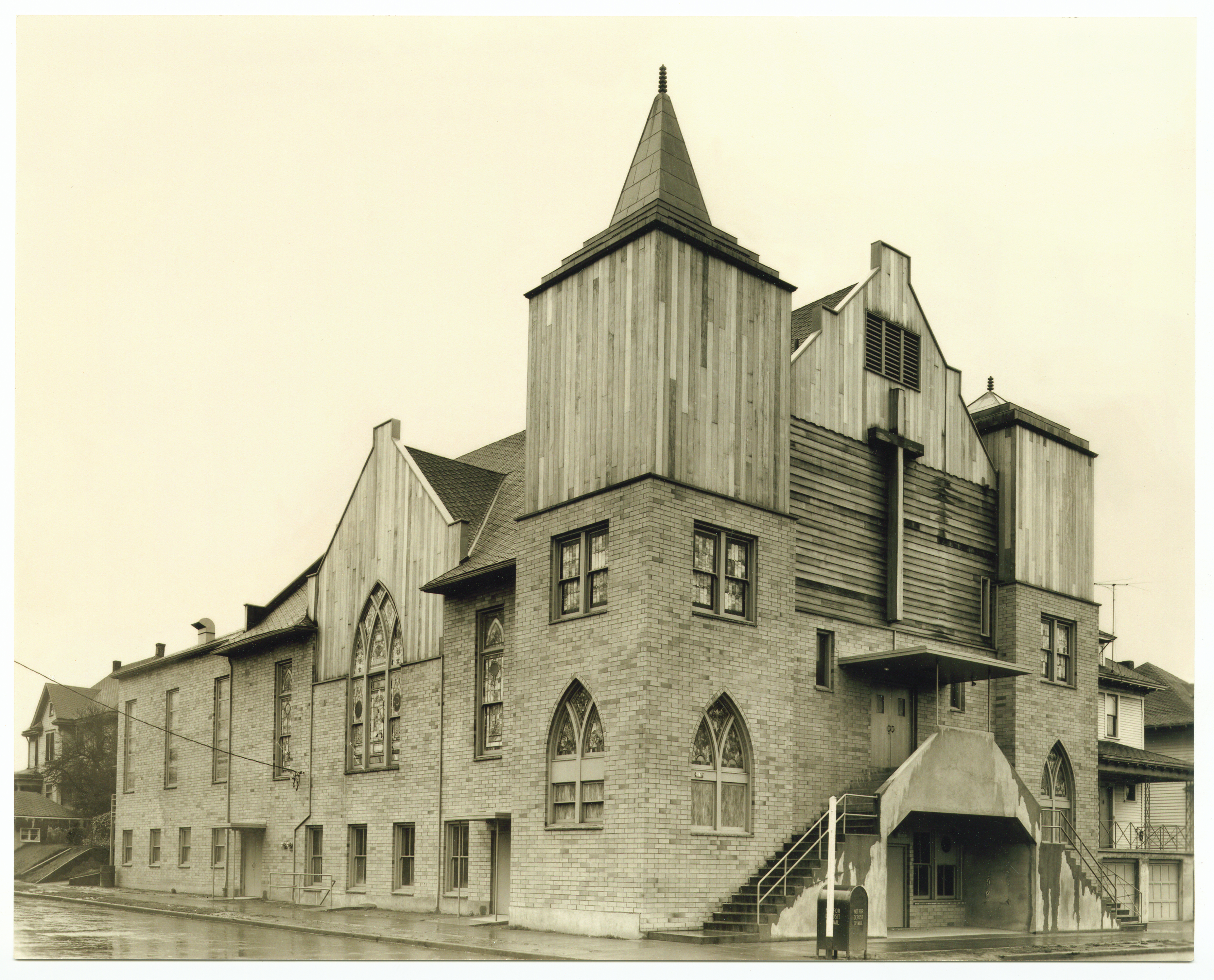
After a short period of trial service at St. Philip the Deacon Episcopal Church, located at that time on NE Rodney Street, Bishop Dagwell ordained Stone in early 1937. St. Philip was founded in 1911 by congregates from the Caribbean (mostly either Barbados or the Virgin Islands), who were temporarily using St. Stephen’s Cathedral in downtown Portland for services.
In June 1939, Stone married Leota A. Bryan, a teacher from Kansas City whom he met at a National Education Association convention held in Portland in 1937. Leota was hired by Portland Public Schools in 1945, becoming one of the first Black teachers in Portland Public School system. Lee enrolled in Lewis & Clark College and graduated with a BS in 1943, followed by graduate courses at the University of Oregon’s Portland campus and sessions at the Union Theological Seminary (New York City) and Columbia University.
Beginning in 1943, Stone led a major fundraising effort to find a permanent home for the St. Philip congregation that included a vicarage and a parish hall with heated recreational space for children. The recreational area was part of a plan to better tie the Episcopal mission to the interracial community in north and northeast Portland. After World War II, city planners and realtors used redlining and housing covenants to deliberately confine Portland’s Black population to the city’s north and northeast sections, and the neighborhoods in that part of the city had undergone a race-based demographic shift. The building project was completed in 1946.
When Leota died suddenly in May 1957, Stone redoubled his efforts in public service by contributing to social programs as a founder, board member, or active participant. Of particular concern to him were the areas of counseling, support for members of the military and their families, fighting housing discrimination, and providing aid. He helped establish a cooperative pre-school at St. Philip’s, served on the neighborhood council in Albina, and established a group of senior volunteers. He married Eva Lena Wilson, a widow and lifelong friend of Leota’s, in 1960. Eva Lena died in 1970, making Stone a widower for the second time. Stone died on March 10, 1977.
Preaching could be counted among his considerable talents, though Stone often thought of teaching as a higher calling. In a 1968 interview in The Oregonian's Northwest Magazine, Stone said, “When you’re working with an individual, you get down to his personal needs. You never know when you’re [reaching people] with a sermon.” In regard to civil rights, Stone recognized and identified racism in all its forms, including some of the most insidious—such as “the age-old racist policy of deciding what is best for Negroes without [their] involvement.” Lee Owen Stone strove to make his ministry “one for all people regardless of race. I have fought and still fight against white racism. I shall do the same against Black racism. As a catholic in all things essential to the Christian faith, I can do no less. My attitude is that I am Black by birth—‘happenstance’—but a Christian by choice. I am obligated, therefore, at all times to live by my choice regardless of the cost.”
-
![David Falconer, photographer.]()
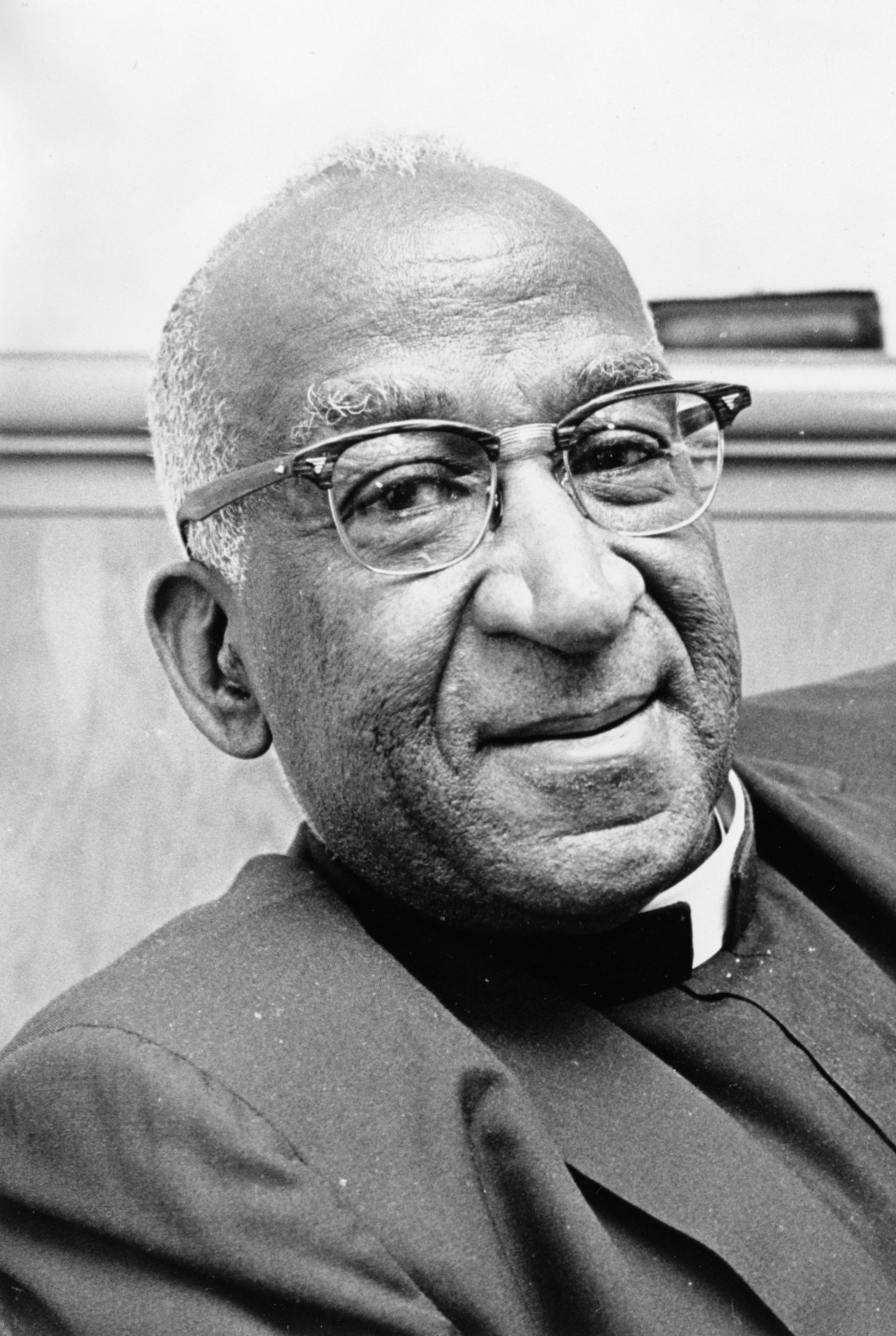
Rev. Lee Owen Stone, Vicar of St. Philip's Episcopal Church, 1972.
David Falconer, photographer. Oregon Historical Society Research Library, OrHi 66547 -
![]()
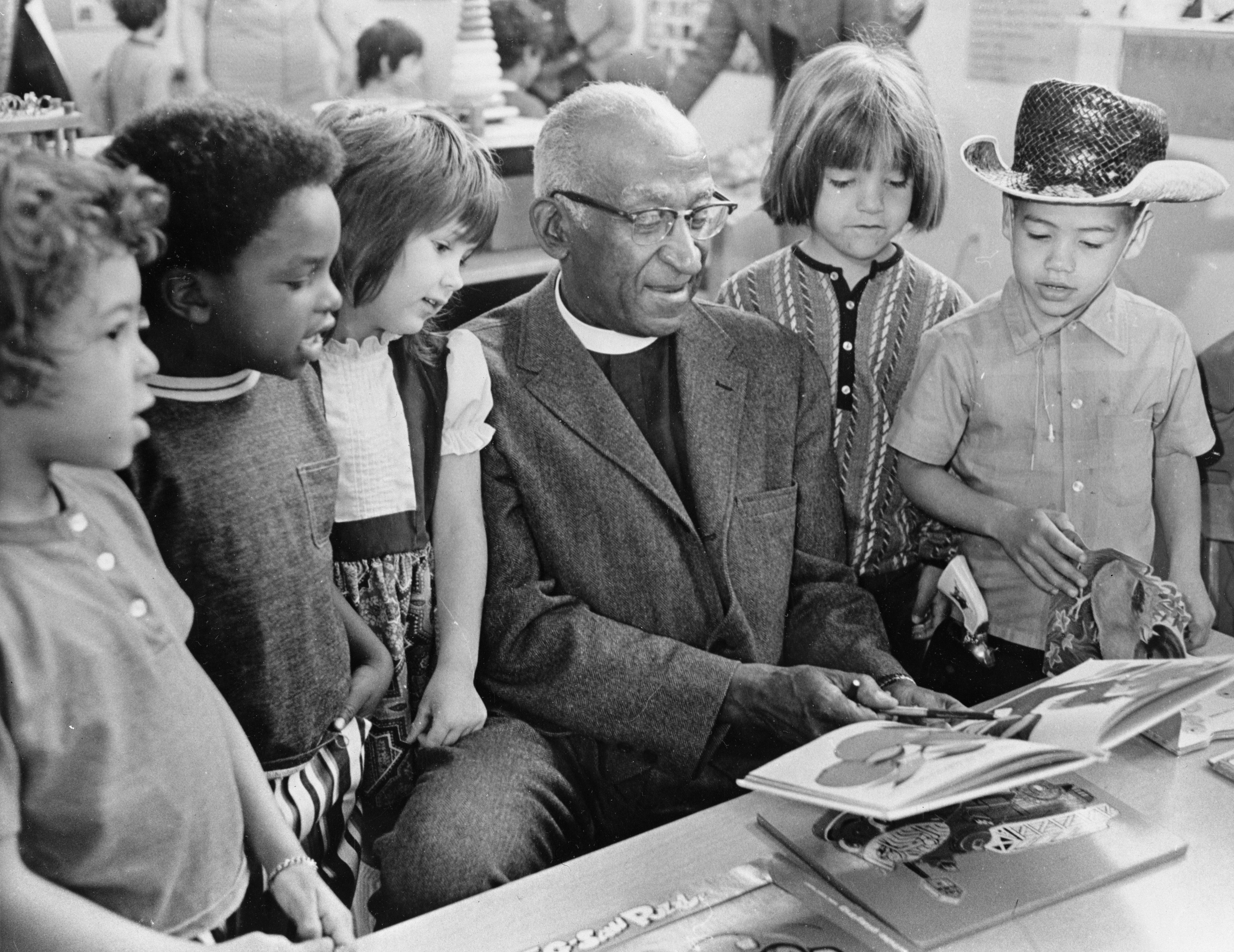
Rev. Lee Owen Stone reads to children at the Lee Owen Stone Co-operative preschool, 1972.
Oregon Historical Society Research Library, CN022270 -
![]()
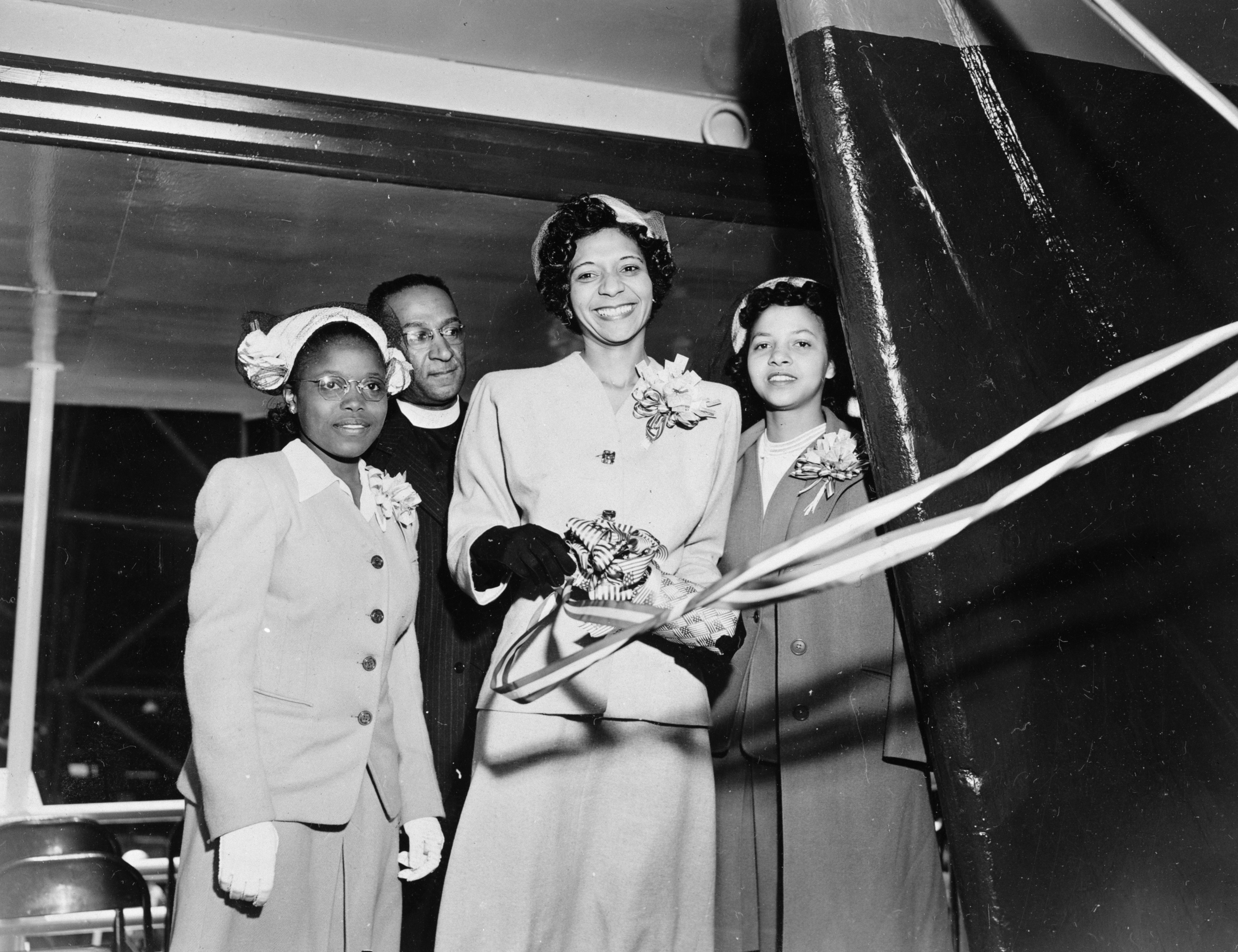
Dorothy Crockett, Rev. Lee Stone, Charlotte Moton, and Bennie Gragg at launching of Tuskegee victory ship, 1945.
Oregon Historical Society Research Library, 022279 -
![In this letter Stone inquires if there is work for "colored people in the Diocese of Oregon."]()
Letter from Lee Owen Stone to Blaine B. Coles, November 4, 1935.
In this letter Stone inquires if there is work for "colored people in the Diocese of Oregon." Oregon Historical Society Research Library, Lee Owen Stone papers, 1930-1977, Mss 2423, Box 1 -
![Stone's acceptance letter to work at St. Philip.]()
Letter from Benjamin Dagwell to Lee Owen Stone, April 13, 1936.
Stone's acceptance letter to work at St. Philip. Oregon Historical Society Research Library, Lee Owen Stone papers, 1930-1977, Mss 2423, Box 1 -
![]()
Rev. Stone's Ordination Announcement, 1937.
Oregon Historical Society Research Library, Lee Owen Stone papers, 1930-1977, Mss 2423, Box 3 -
![]()
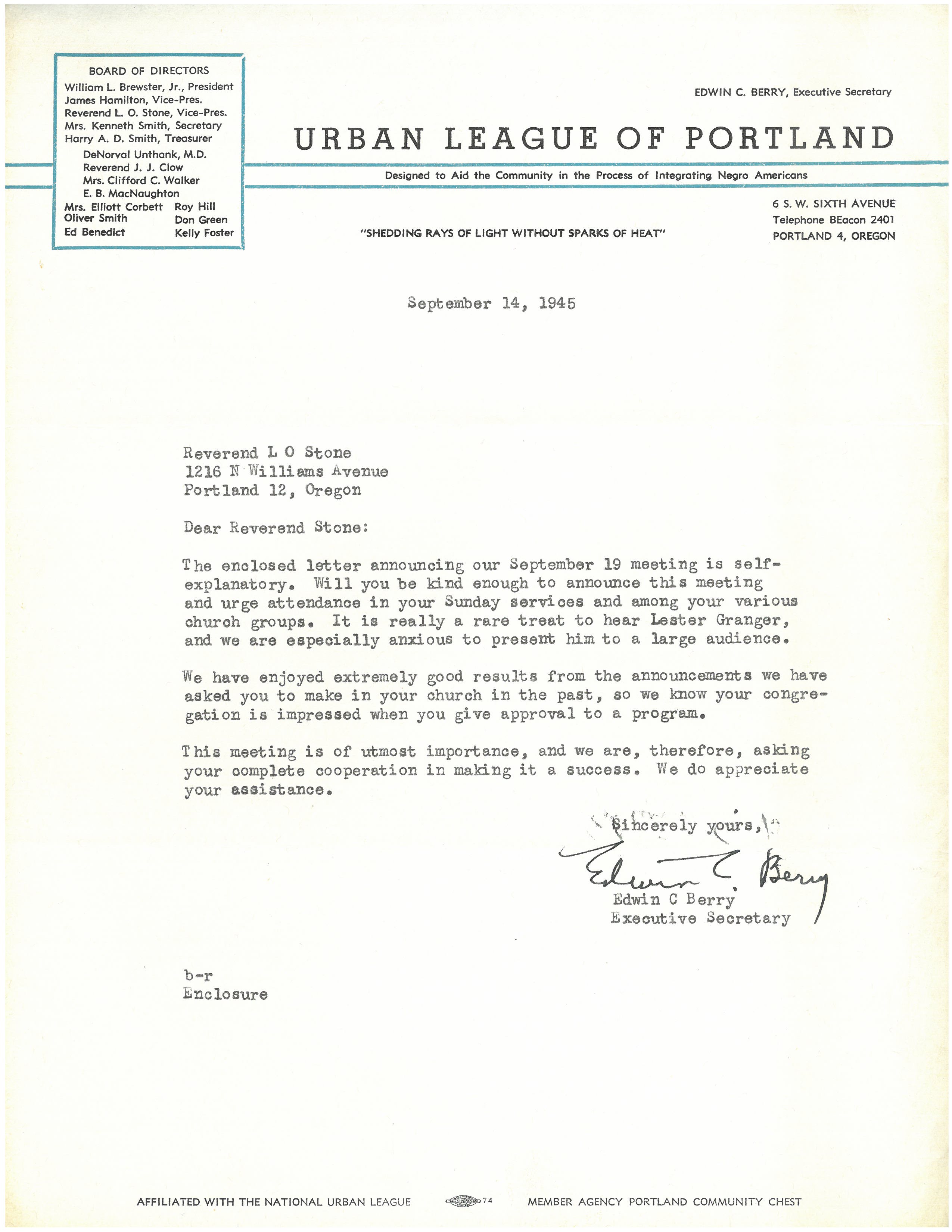
Letter from Edwin C. Berry from the Urban League of Portland promoting talk by National Urban League executive secretary, Lester Granger, 1945.
Oregon Historical Society Research Library, Lee Owen Stone Papers, Mss 2423, Box 1 -
![Letter discusses desegregation of St. Philip under the leadership of Rev. Stone.]()
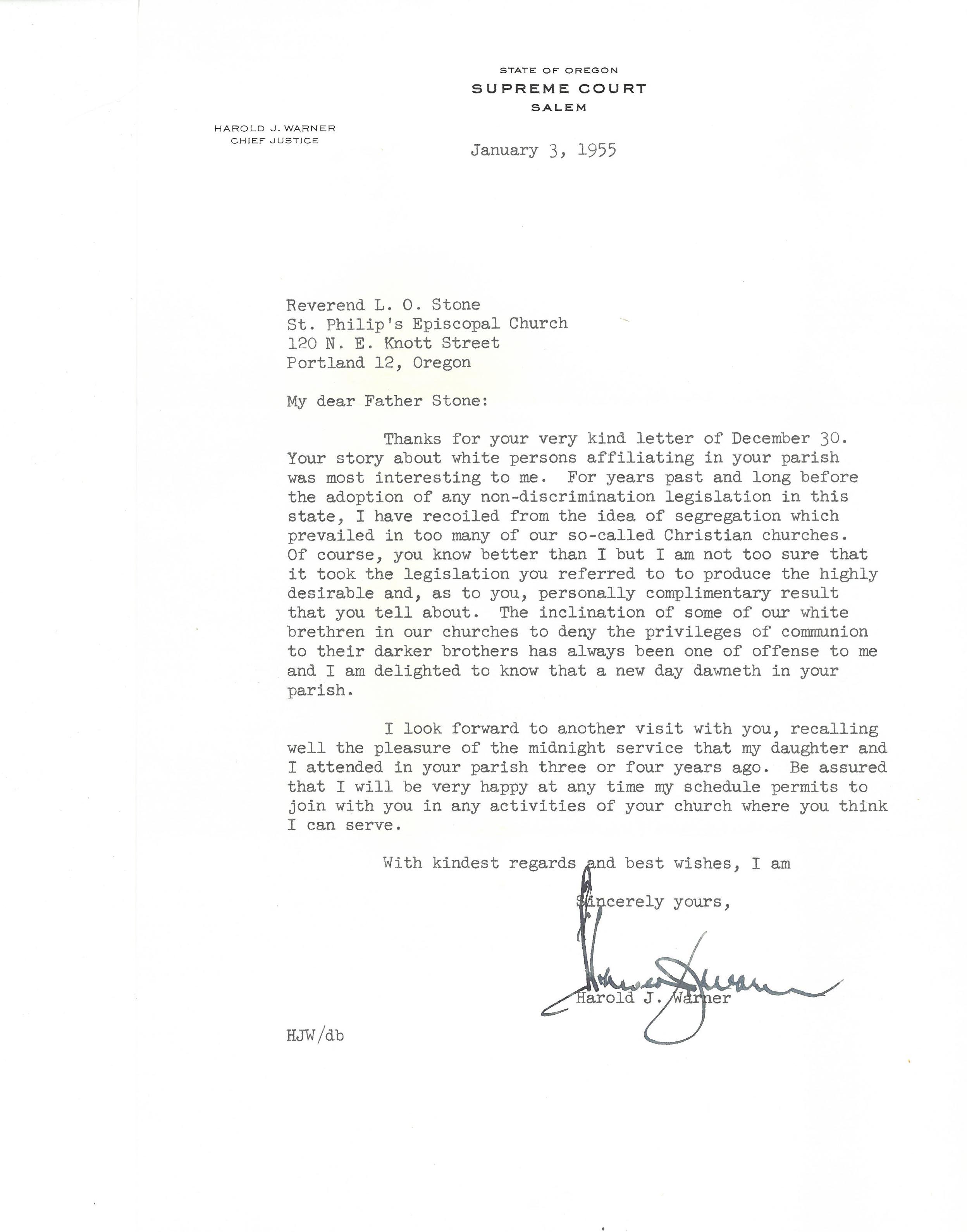
Letter from Supreme Court Justice Harold J. Warner to Lee Owen Stone, January 3, 1955.
Letter discusses desegregation of St. Philip under the leadership of Rev. Stone. Oregon Historical Society Research Library, Lee Owen Stone papers, 1930-1977, Mss 2423, Box 1 -
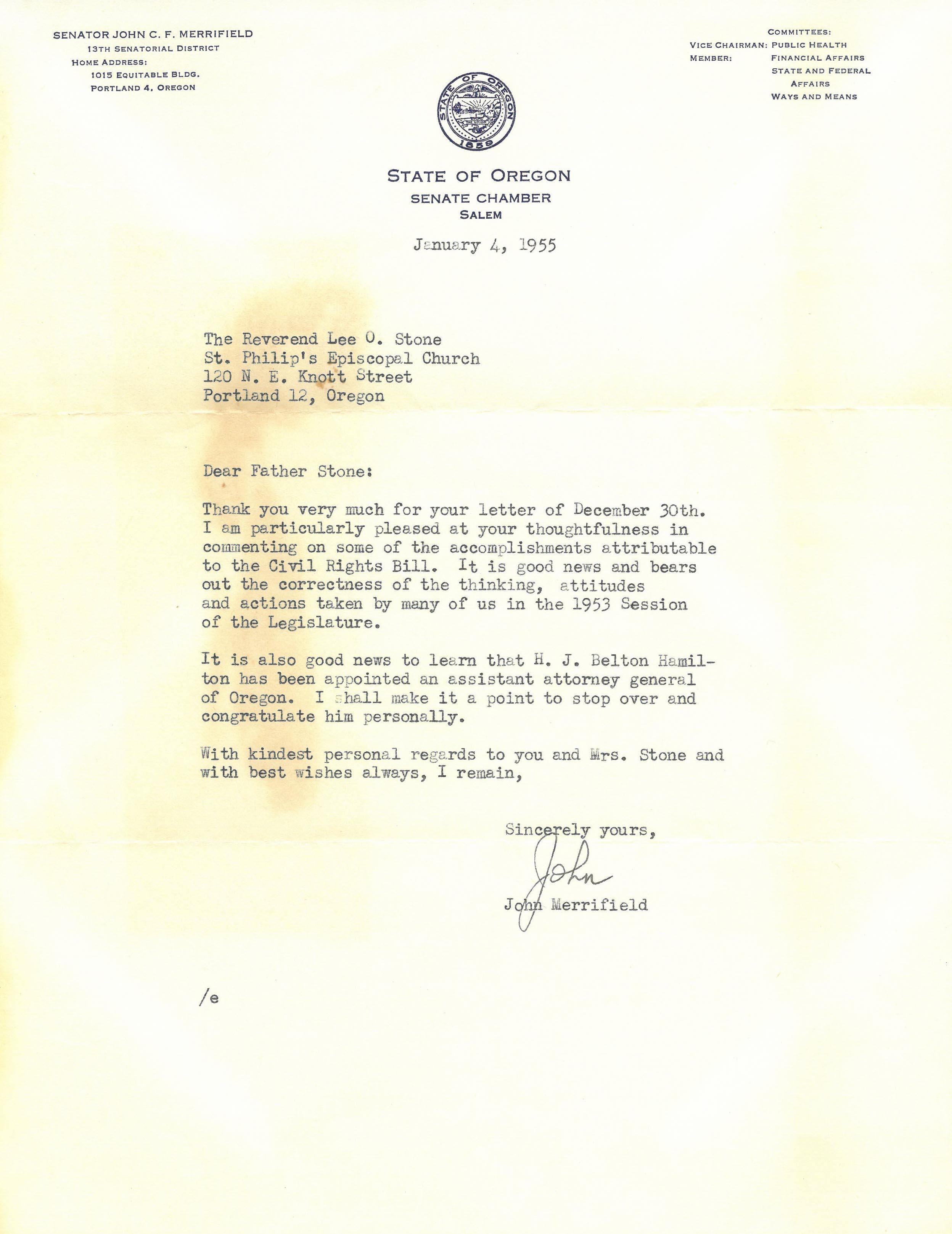
![The letter talks about accomplishments of Oregon's Civil Rights Bill.]()
Letter to Lee Owen Stone from state senator John Merrifield, January 4, 1955.
The letter talks about accomplishments of Oregon's Civil Rights Bill. Oregon Historical Society Research Library, Lee Owen Stone papers, 1930-1977, Mss 2423, Box 1 -
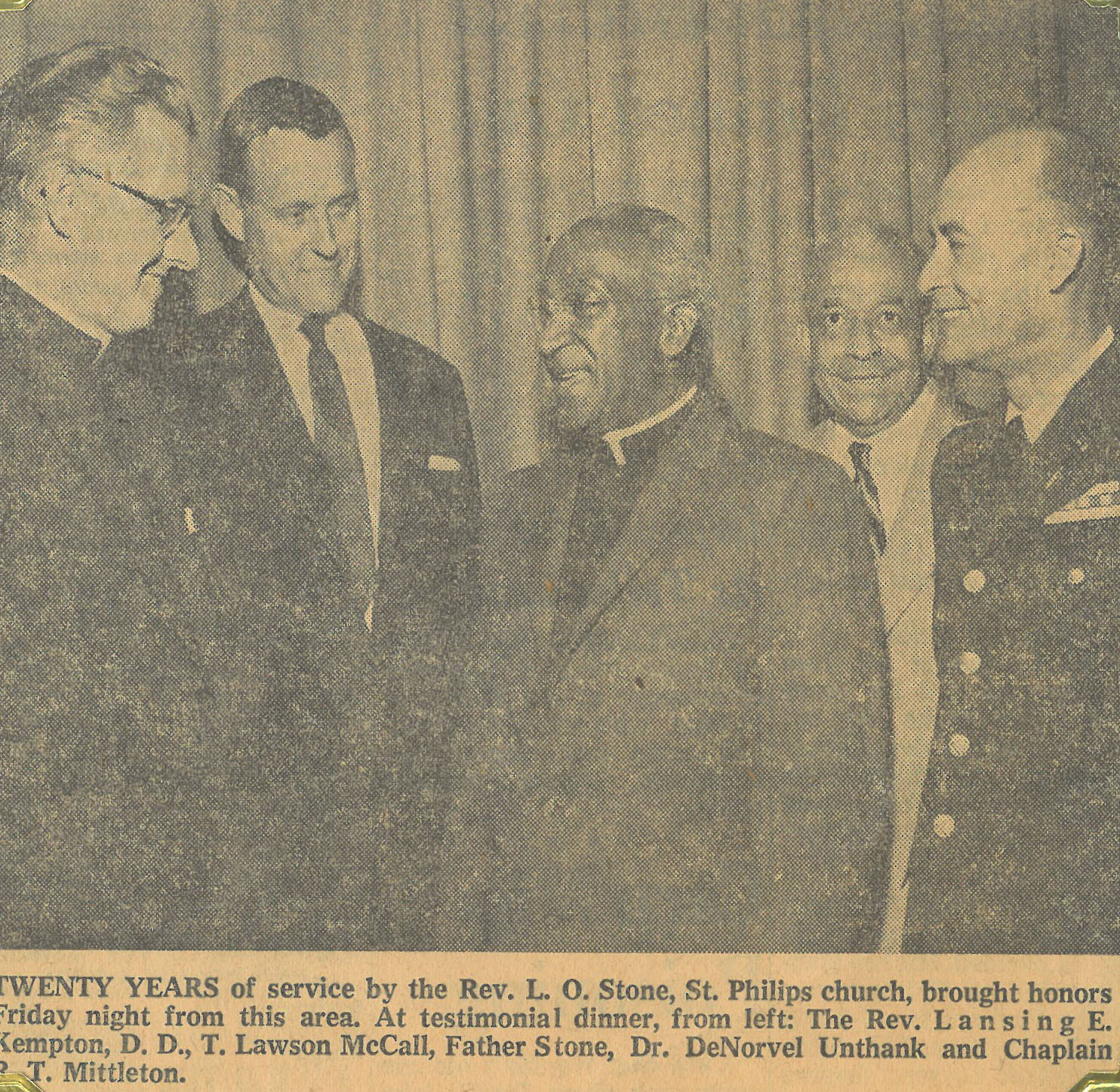
![Left to right: Rev. Lansgin E. Kempton, Tom McCall, Stone, DeNorval Unthank, P.T Mittleton.]()
Newspaper article featuring dinner honoring Rev. Stone for twenty years of service at St. Philips, c. 1956.
Left to right: Rev. Lansgin E. Kempton, Tom McCall, Stone, DeNorval Unthank, P.T Mittleton. Oregon Historical Society Research Library, Vertical File: Biography, Stone, Lee Owen
-
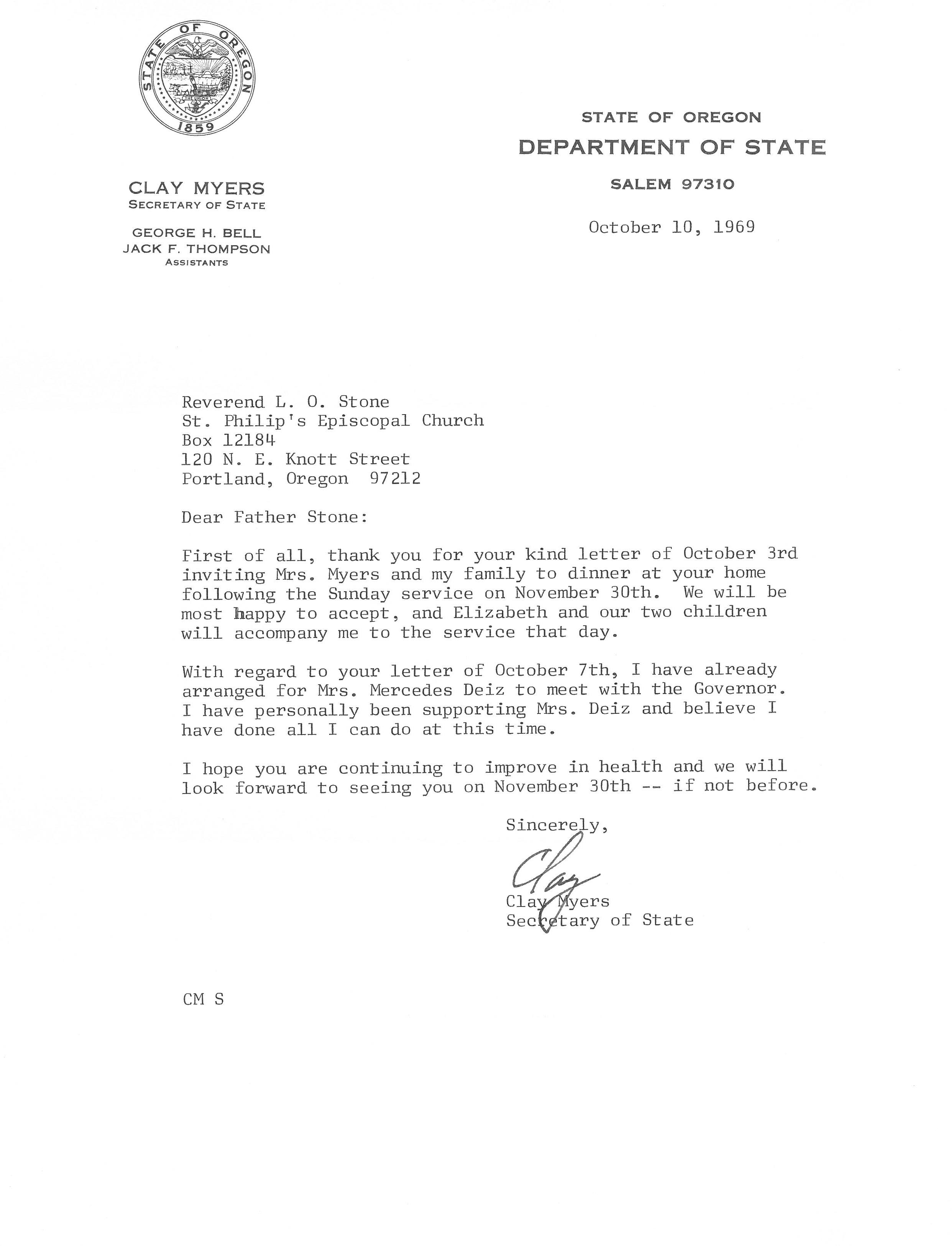
![Letter discusses nomination of Mercedes Deiz as Multnomah County District Court judge.]()
Letter from Secretary of State Clay Myers to Rev. Lee Owen Stone, October 10, 1969.
Letter discusses nomination of Mercedes Deiz as Multnomah County District Court judge. Oregon Historical Society Research Library, Lee Owen Stone papers, 1930-1977, Mss 2423, Box 1 -
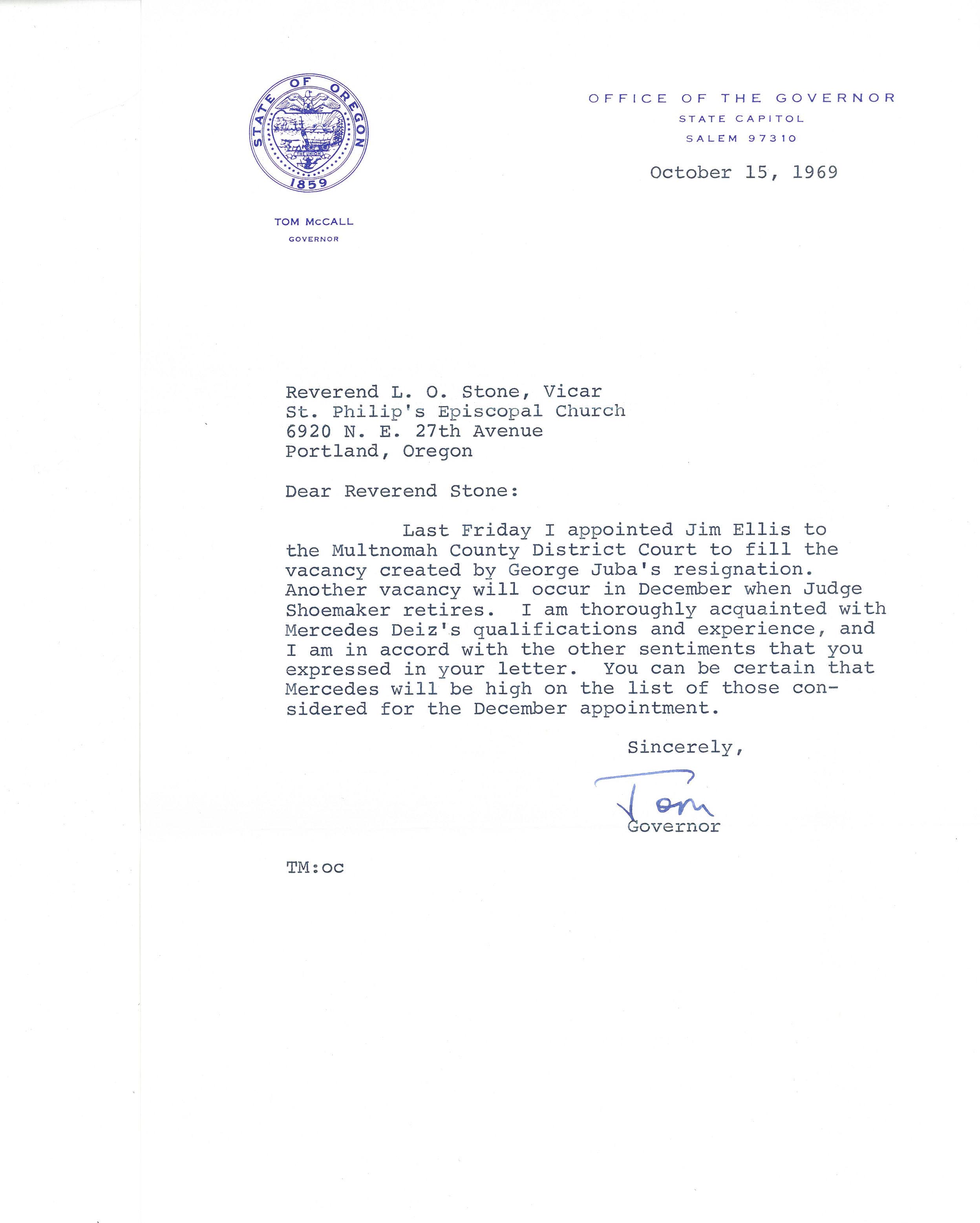
![Letter discusses nomination of Mercedes Deiz as Multnomah County District Court judge.]()
Letter from Governor Tom McCall to Rev. Lee Owen Stone, October 16, 1969.
Letter discusses nomination of Mercedes Deiz as Multnomah County District Court judge. Oregon Historical Society Research Library, Lee Owen Stone papers, 1930-1977, Mss 2423, Box 1 -
![]()
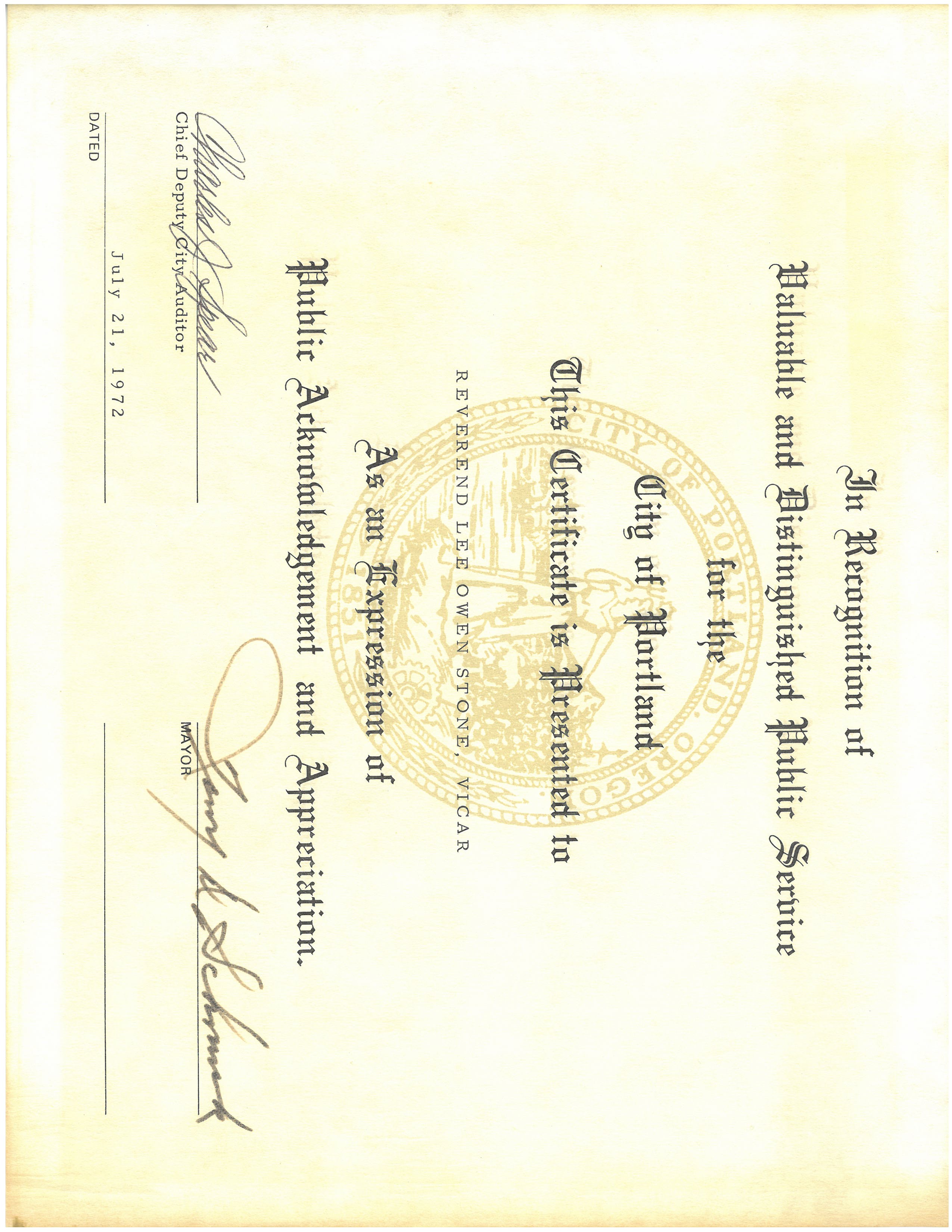
City of Portland Award Certificate honoring Rev. Lee Owen Stone, 1972.
Oregon Historical Society Research Library, Lee Owen Stone papers, 1930-1977, Mss 2423, Box 3
Related Entries
-
![Albina area (Portland)]()
Albina area (Portland)
By the late 1880s, Albina, located across the Willamette River from Por…
-
![Black People in Oregon]()
Black People in Oregon
Periodically, newspaper or magazine articles appear proclaiming amazeme…
-
![Edwin C. (Bill) Berry (1910–1987)]()
Edwin C. (Bill) Berry (1910–1987)
Bill Berry, a leader in the Urban League for nearly thirty years, was t…
-
![First African Methodist Episcopal Zion Church]()
First African Methodist Episcopal Zion Church
First African Methodist Episcopal Zion is Portland's oldest African Ame…
-
![Redlining and Climate-Related Heat]()
Redlining and Climate-Related Heat
The legacy of redlining—the spatial distribution of poverty, housing, g…
-
![Thomas J. Tobin (1897–1978)]()
Thomas J. Tobin (1897–1978)
During the mid-twentieth century, Monsignor Thomas J. Tobin played an i…
-
![Vancouver Avenue First Baptist Church]()
Vancouver Avenue First Baptist Church
The history of the Vancouver Avenue First Baptist Church of Portland is…
Related Historical Records
Map This on the Oregon History WayFinder
The Oregon History Wayfinder is an interactive map that identifies significant places, people, and events in Oregon history.
Further Reading
Lee Owen Stone papers, 1930-1977. Mss 2324, 2.23 cubic feet, Oregon Historical Society Research Library, Portland.
Cawthorne, Herb. “The Teacher Who Made It Happen.” Portland Oregonian, September 9, 1976.
Magmer, James. “Father Stone has his own ‘Upward Bound’ Program.” Portland Oregonian, Northwest Magazine, July 28, 1968.
“Lee Owen Stone.” Portland Oregonian, March 11, 1977, A13.