


Seaside is a city on the north Oregon coast at the mouth of the Necanicum River, north of Ecola State Park. The community straddles the river and the Necanicum Estuary, a historically and ecologically significant place that is now a protected habitat reserve. For thousands of years, the area was part of an active Native trade system along the coast, and in the winter of 1805-1806 members of the Lewis and Clark Expedition had an encampment there. For decades, Seaside has been among the most popular tourist locations in Oregon, a status that has been cultivated by residents since the 1870s. The city had a population of 7,115 in 2020.
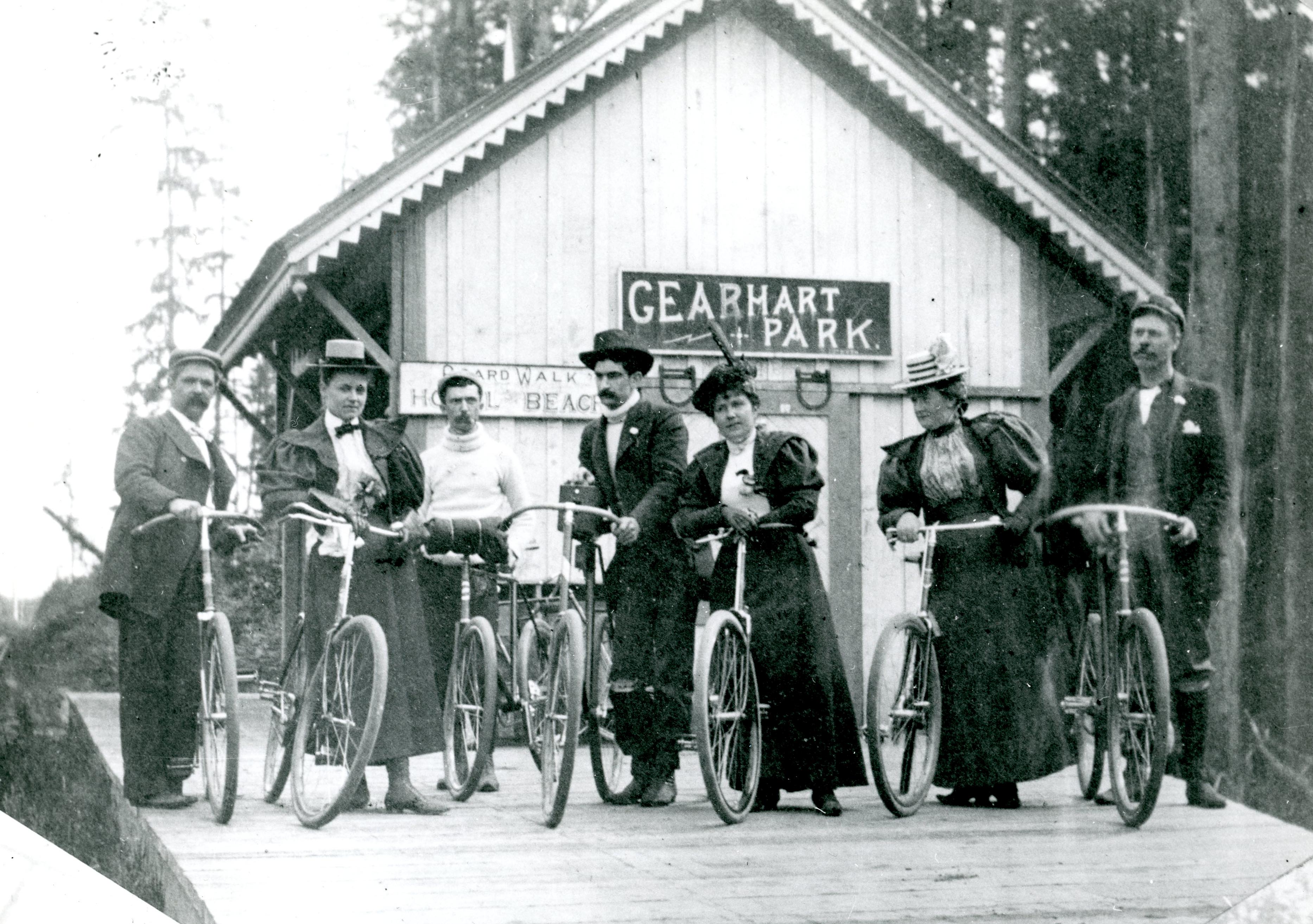
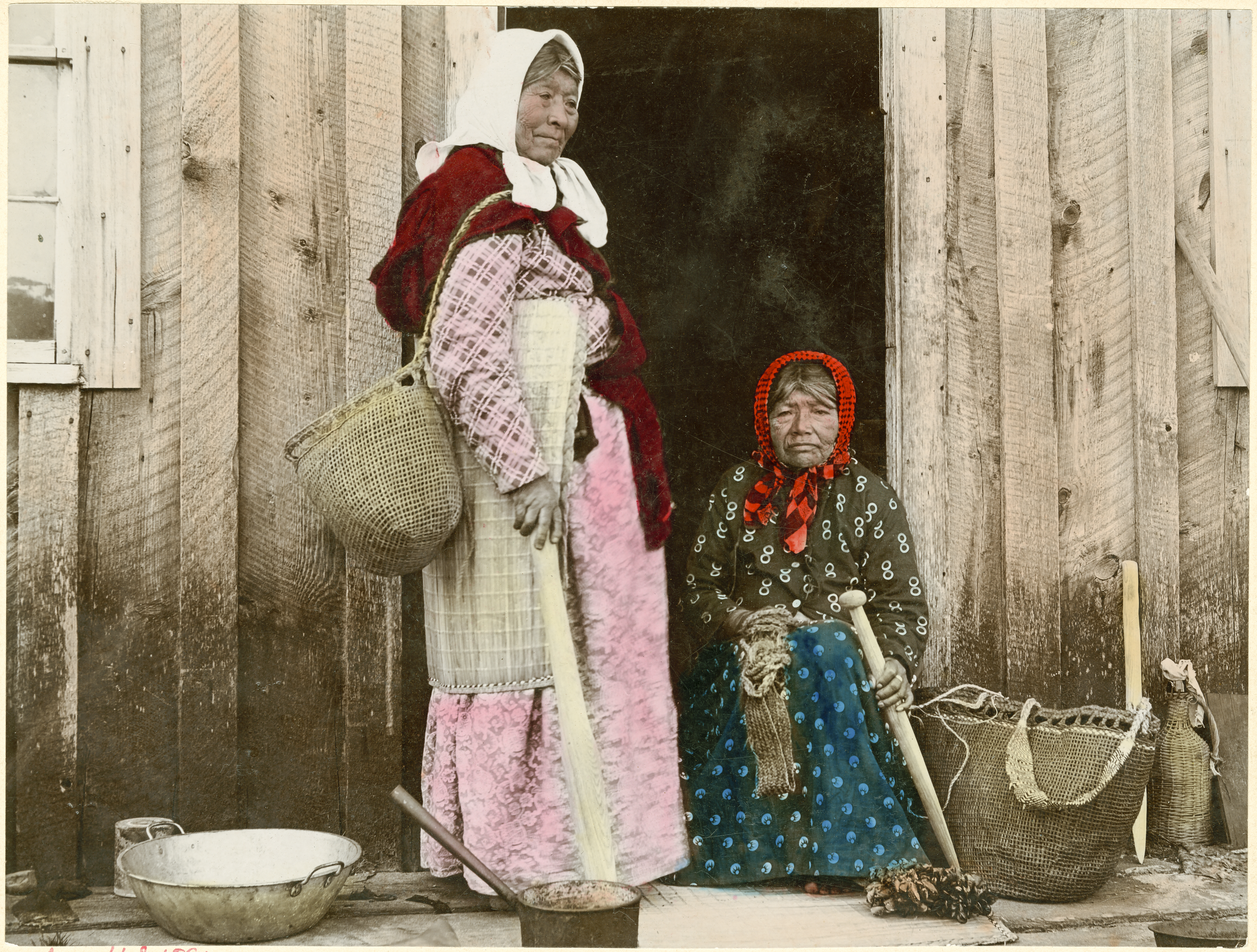
Seaside encompasses 3.9 square miles of land and 0.2 square miles of surface water. The wide, sloping beach stretches 2.7 miles, from Tillamook Head north to the mouth of the Necanicum River, where Seaside and Gearhart meet. The Clatsop people, one of the five tribes of the Chinook Nation, lived in the region for millennia, and four Clatsop villages—Niyakiwanki, Neacoxi, Necanicum, and Nakutat—were located in present-day Seaside. The Nehalem Band of the Tillamook Nation extended along the coast to the south and along the coast as far north as Tillamook Head. Their descendants are now members of the Clatsop-Nehalem Confederated Tribes. During the 1830s, a malaria epidemic decimated the Native population on the north coast and the lower Columbia River, and some displaced Clatsop and Nehalem-Tillamook relocated to the Necanicum Estuary to a settlement known as Indian Place, now a residential neighborhood in Seaside.
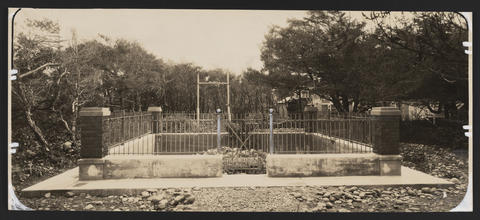
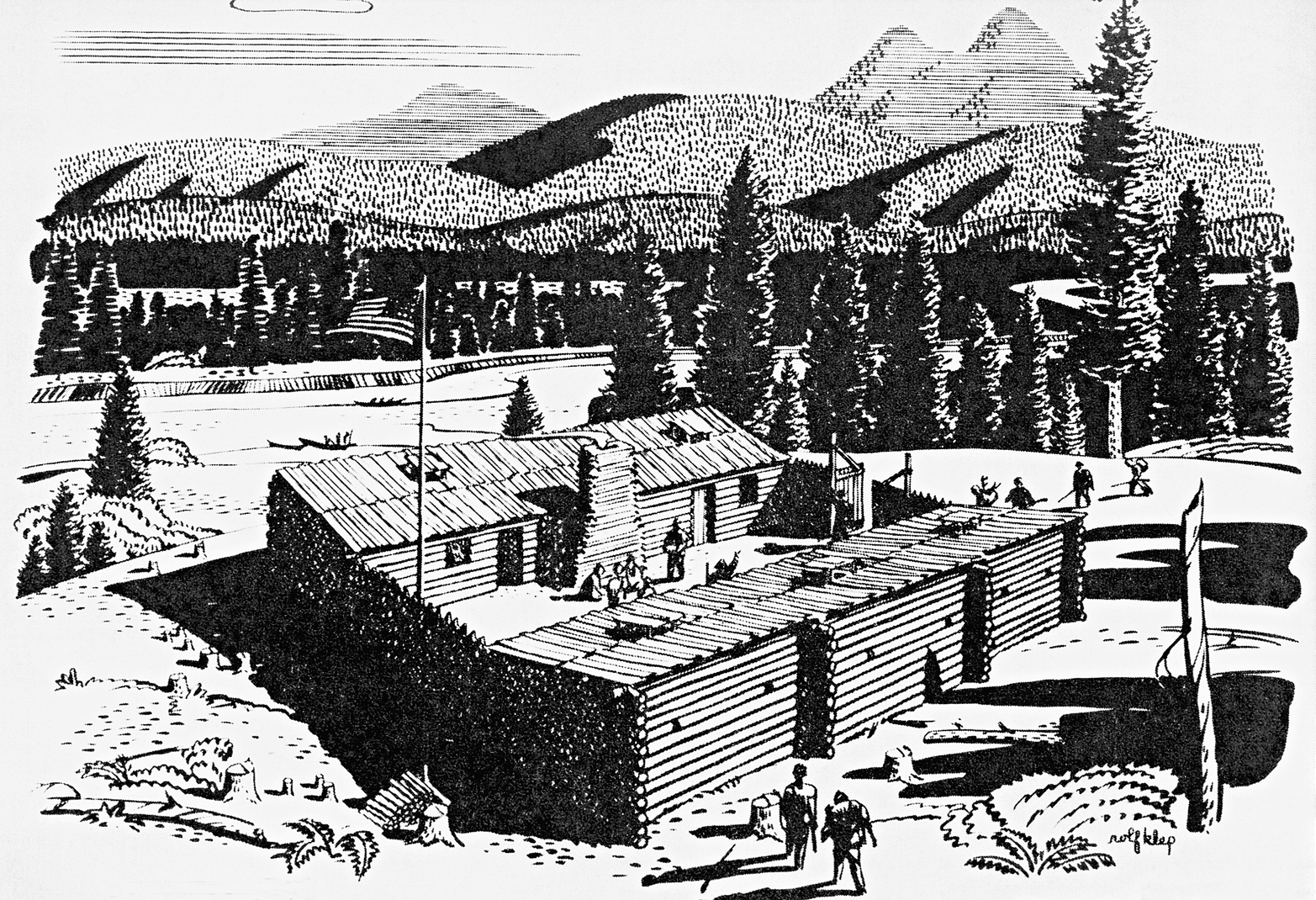
The first non-Native visitors to the region were mariners, traders, trappers, and shipwreck survivors. During the winter of 1805-1806, members of the Lewis and Clark Expedition spent the winter at Fort Clatsop, a few miles northeast of present-day Seaside. A detachment was sent to the ocean to scout for a location where “they would form a camp and commence making salt.” On January 6, they found a good site on a beach in present-day Seaside, where they stayed until February 21, operating a salt cairn that produced three or four bushels of salt. It was the expedition’s westernmost encampment site and is now part of the Lewis and Clark National Historical Park, which also includes the Fort to Sea Trail.
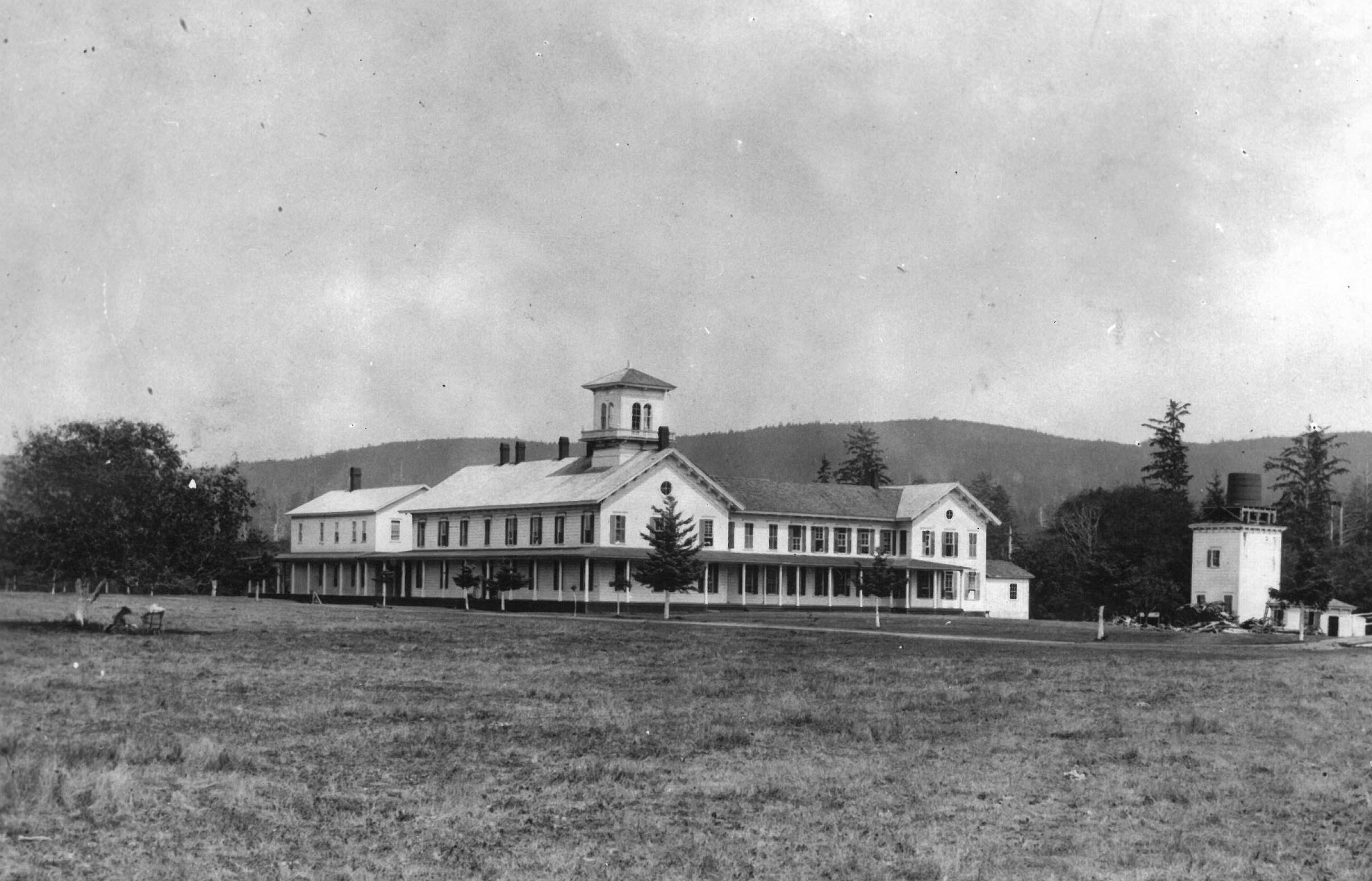
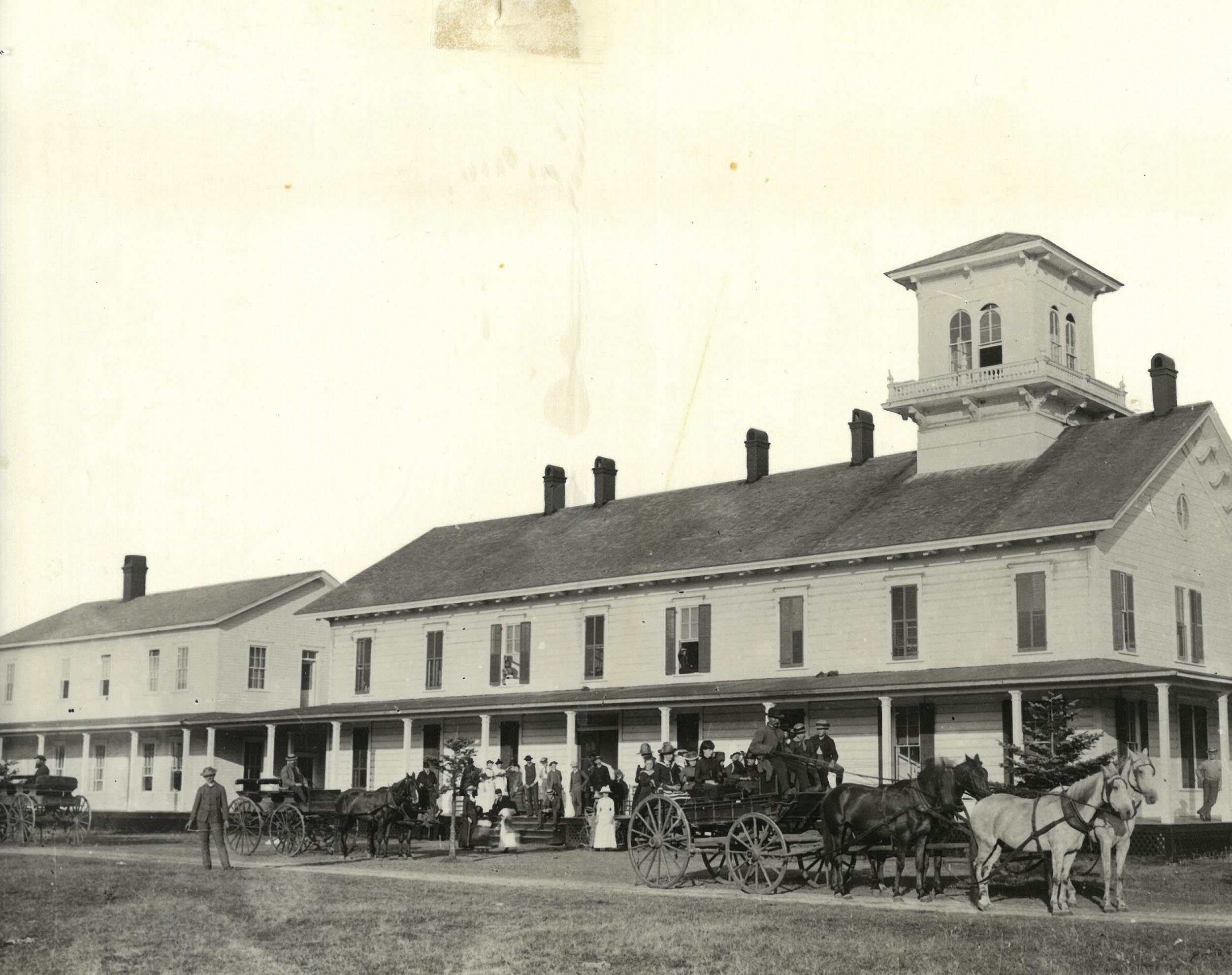
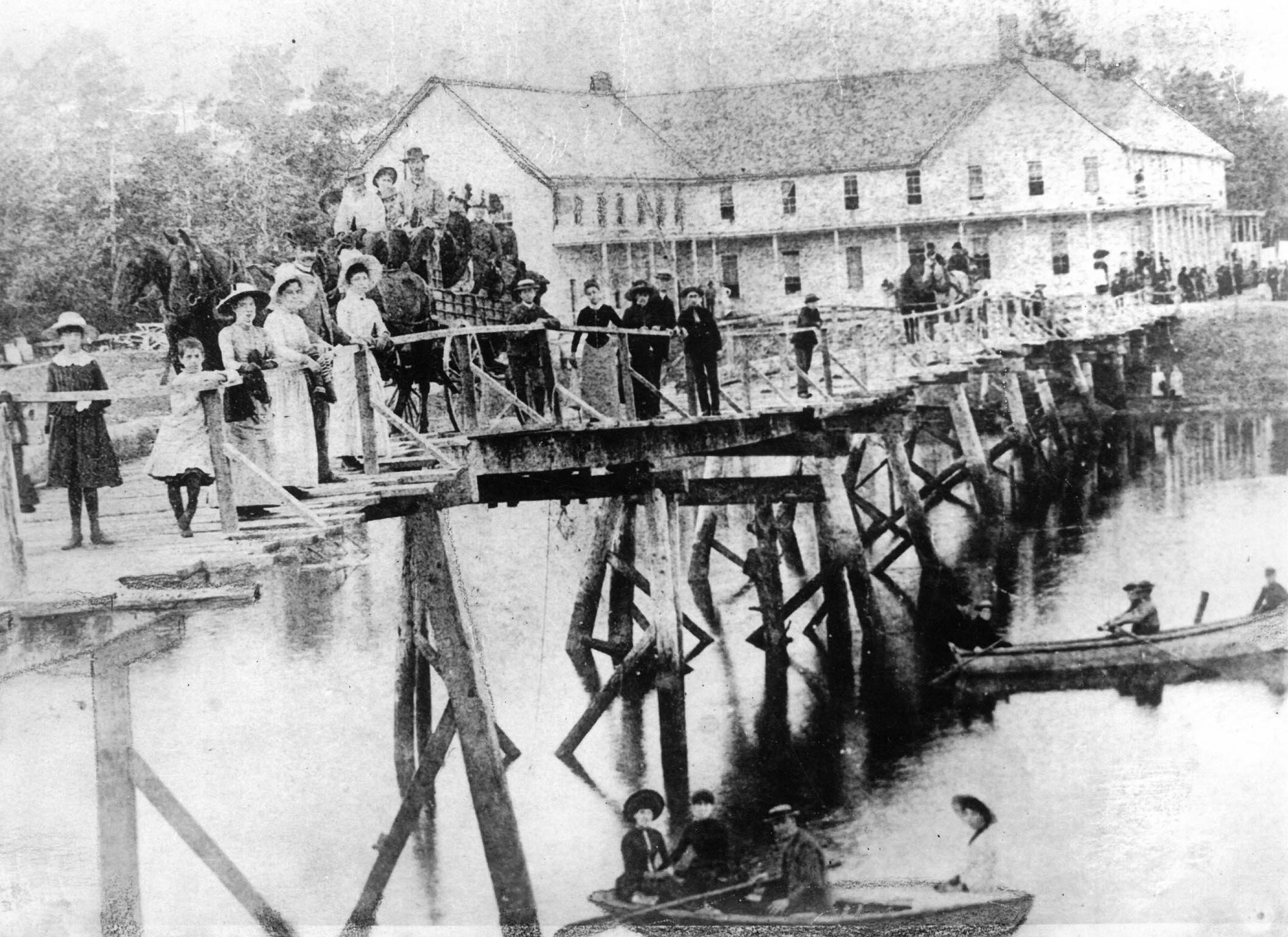
In 1849, Mary Lattie (Tillamook), the widow of Hudson’s Bay Company employee Alexander Lattie, and her children secured two land claims. Most of downtown Seaside and neighborhoods extending toward Tillamook Head, 642 acres, were built on that land. The Latties operated Summer House, the area’s first boarding house on what is now the Seaside Golf Course. Ben Holladay, a Portland land developer and railroad builder, purchased the Latties' property in 1871 and built Seaside House, a resort in the style of an Italian villa. Guests traveled there by riverboat, which dropped passengers at Skipanon Landing near present-day Warrenton, and then completed the trip by foot, horseback, or mail stage. Seaside House marked the beginning of the tourist economy in the region and gave its name to the town developing around it.
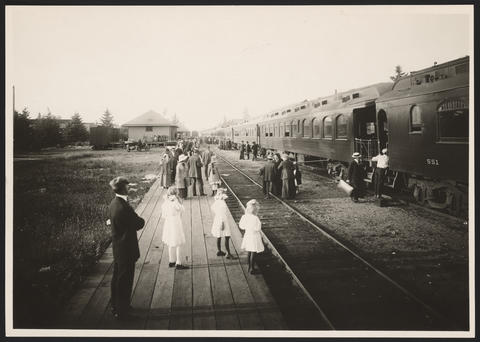
Andrew B. Hammond’s Oregon Pacific Railroad connected to Seaside from Portland in 1894. The service heralded a sharp increase in summer visitors. The community developed into two separate towns, Seaside and West Seaside, with a combined population of about 500. The City of Seaside incorporated on February 17, 1899, and Seaside and West Seaside merged in 1913.
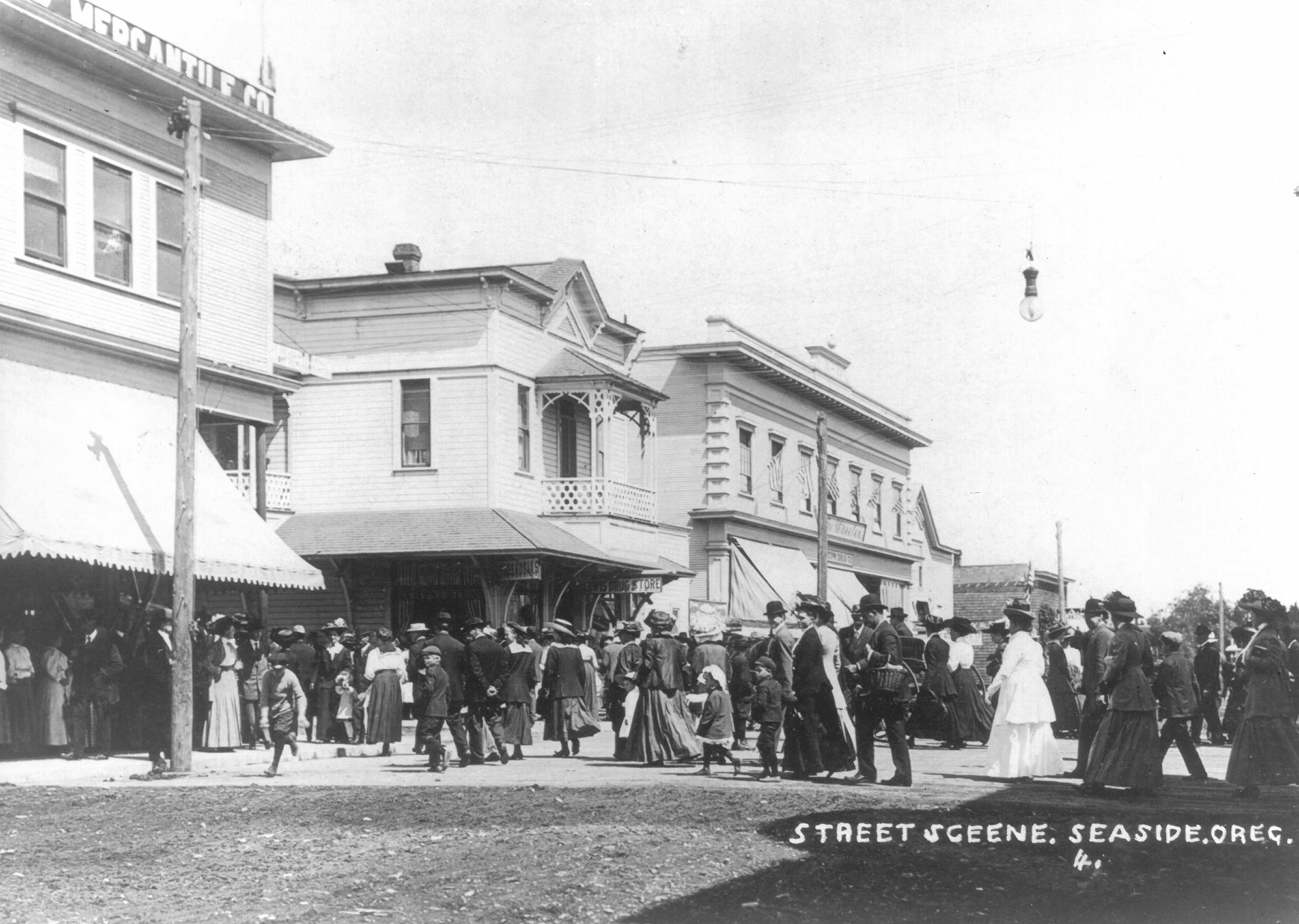
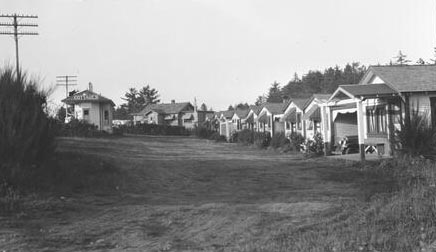
In the midst of the city’s expansion, a fire broke out in downtown Seaside when a gas stove exploded in the Bridge Exchange Saloon late at night on June 13, 1912. Nearly the entire business section was destroyed within three hours. Seaside rebuilt quickly, and the West Broadway business district soon blossomed with newly paved streets, sidewalks, and improved street lighting. Throughout the 1920s to 1940s, the Bungalow Dance Hall (now the site of the Seaside Carousel Mall) hosted dances, live music, and featured famous artists such as Glenn Miller and Duke Ellington.
The city’s prosperity further increased during World War I when units of the U.S. Army Spruce Production Division were stationed in coastal counties to log and process Sitka spruce, which was in high demand for airplane construction. Camps and railroad spurs were built in the hills south of Seaside, and the town provided services for the soldiers stationed there.
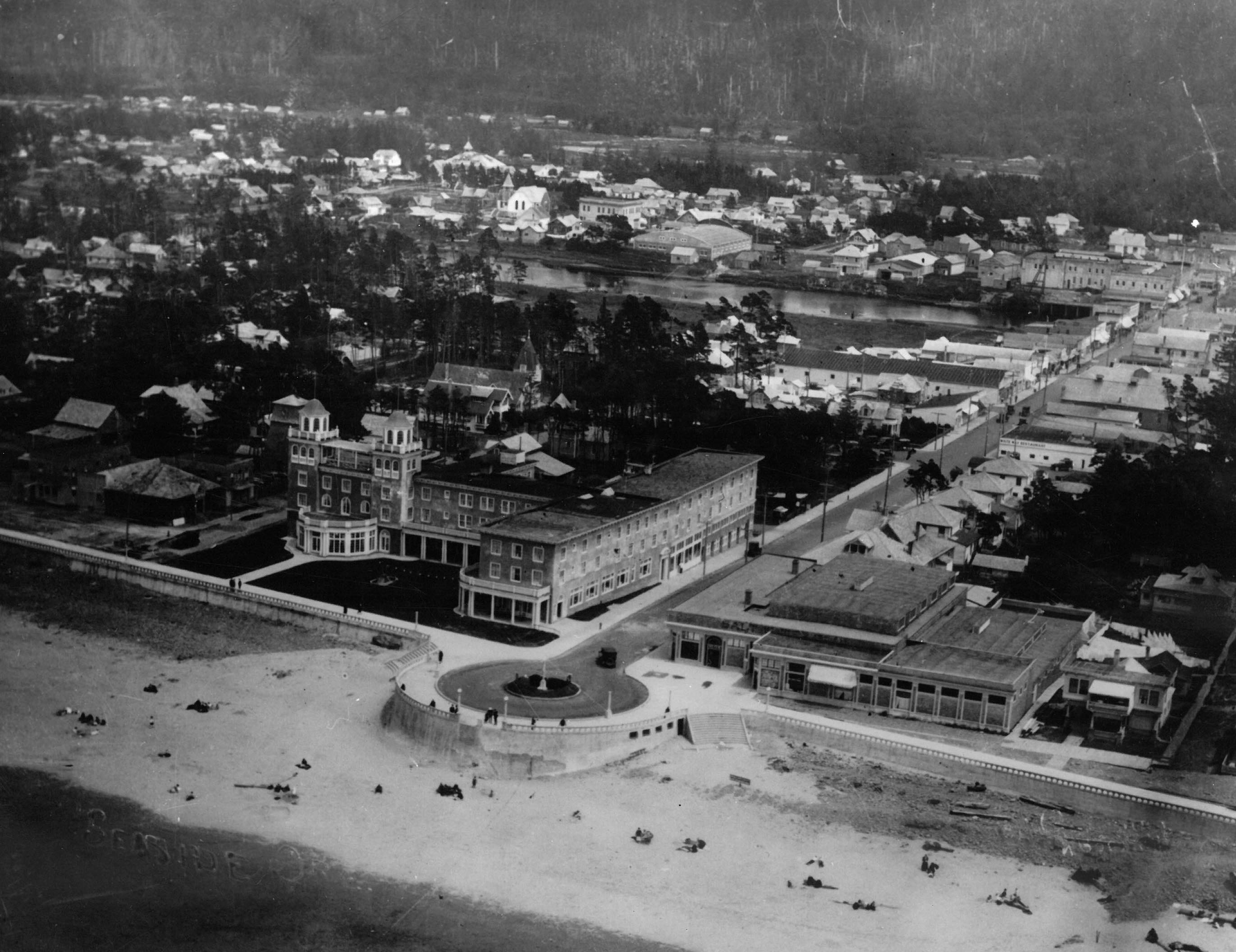
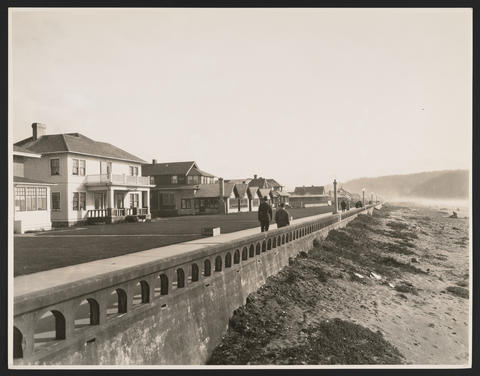
On August 11, 1921, Seaside hosted state and local luminaries at the dedication of a 1.5-mile promenade and 8,000-foot-long seawall, billing itself as “the Atlantic City of the Northwest.” The car free Seaside Promenade, as it was named, spans a length of the beach from Avenue U to 12th Avenue. A bronze statue of Lewis and Clark (1990) stands about midway between the southern and northern ends of the boardwalk.
Seaside went into debt during the Great Depression, but the timber industry contributed to an economic turnaround. In Clatsop County, lumber and logging companies increased production from 214,663,000 board feet in 1934 (low numbers due in part to the Tillamook Burn in 1933) to 530,033,000 in 1937. Tourist numbers also rose steadily, aided by the construction of the Oregon Coast Highway (1937) and the Sunset Highway (1939), which shortened travel time between Portland and Seaside. The city’s primary industry shifted from logging back to tourism by the 1940s.
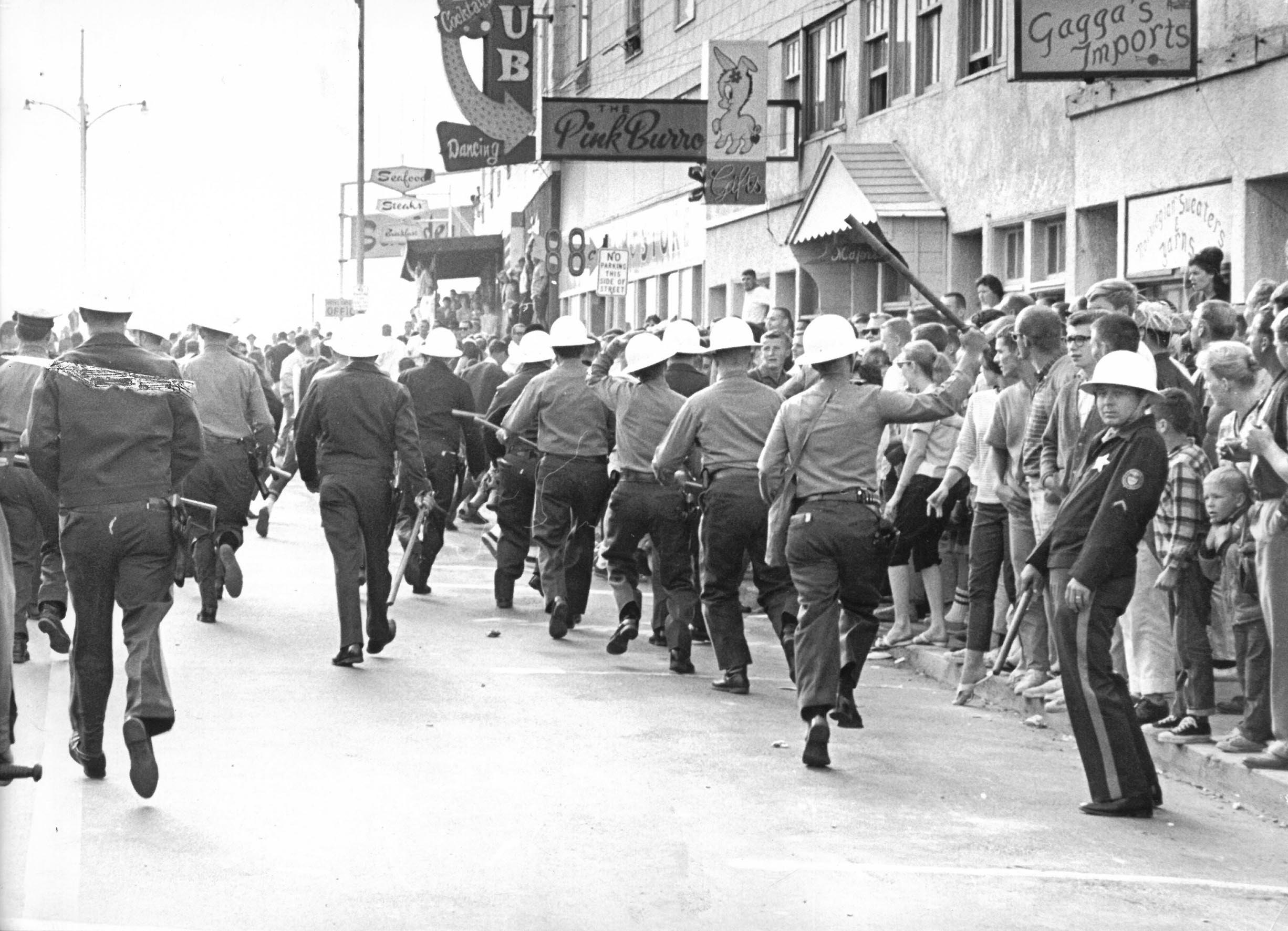
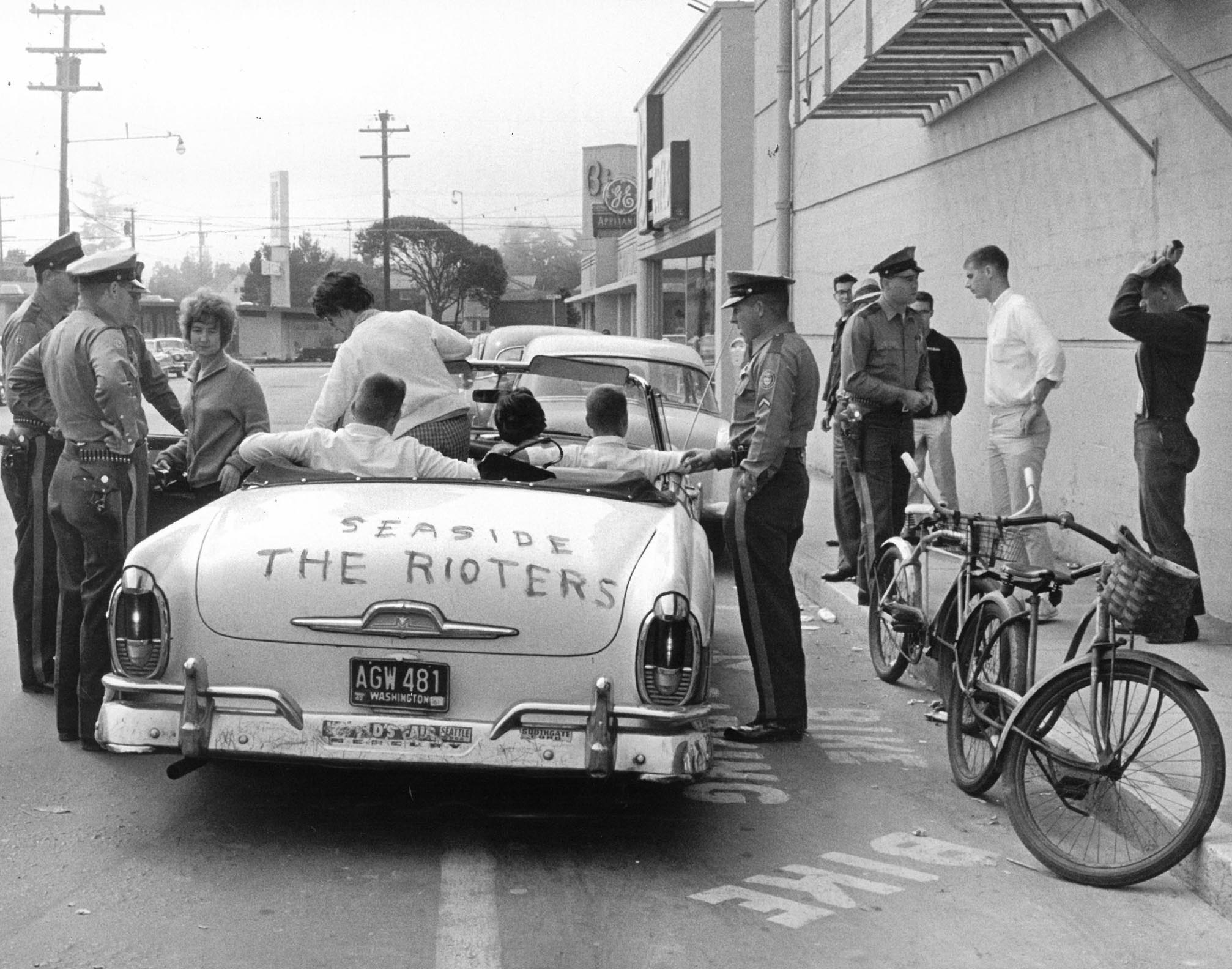
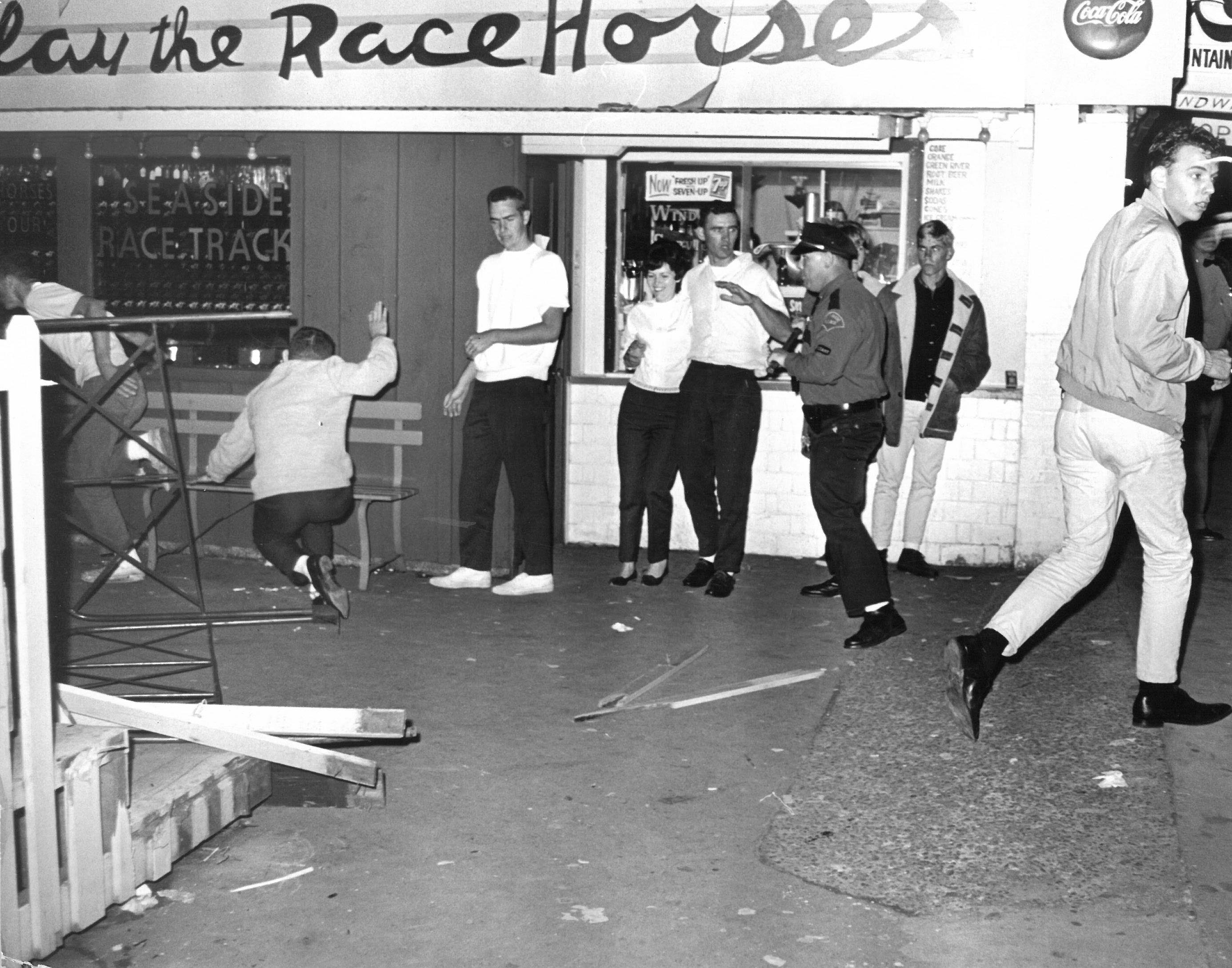
After years of growth, Maurice Pysher, a self-proclaimed “political outsider,” became mayor in 1961. Young people from out of town were making the city unruly, he believed, and he hoped to discourage them from spending spring break in Seaside. He implemented restrictive ordinances for lodging and drinking. He also instructed the police department to be strict with enforcement. Young people resisted the changes and took to the streets in 1962, yelling at police, vandalizing property, and throwing trash; they returned to Seaside in 1963 and 1964 to protest again. For three Labor Day weekends, the city was in chaos, generating national headlines and attracting the attention of FBI director J. Edgar Hoover.
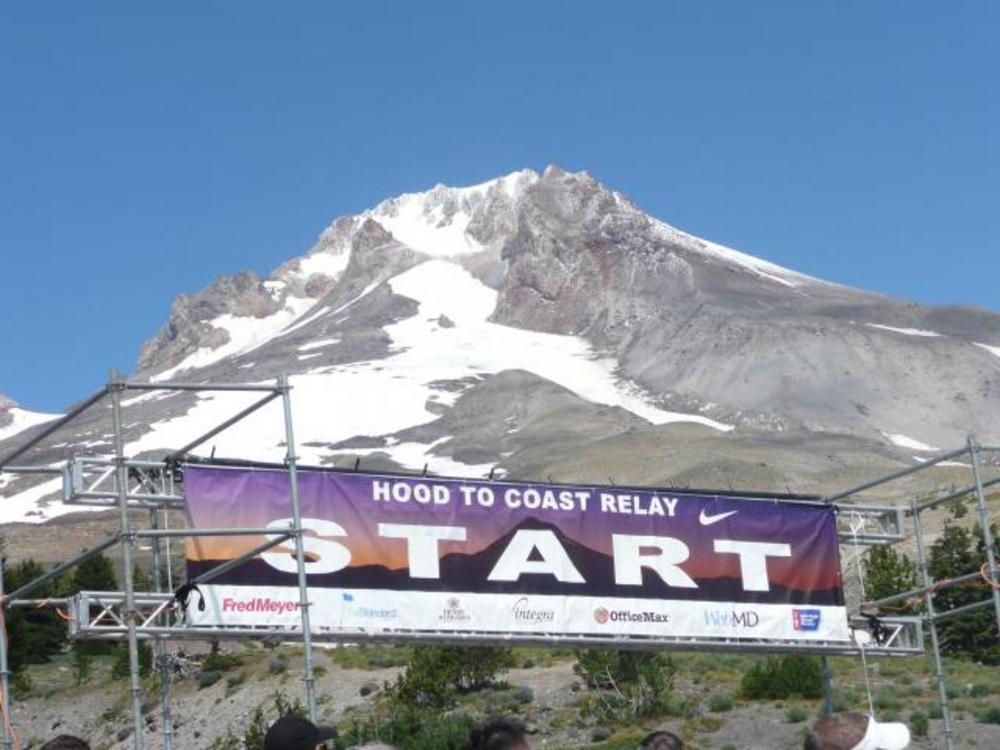
After the riots, the city worked to recast its image as a family community. The Seaside Civic and Convention Center opened in 1971, the city adopted an urban renewal plan in 1979, and Providence Seaside Hospital opened in 1981. The town’s waterfront recreation includes swimming, kayaking, fishing, crabbing, clamming, and surfing; and Seaside Cove’s exposed beach reef and point break is considered among the best surfing waves in the Pacific Northwest. The Seaside Beach Volleyball tournament, the largest beach volleyball tournament in North America, launched in 1982, and the annual Hood to Coast relay has finished in Seaside since 1989. The city packs the event calendar for tourists with car shows, fireworks, parades, the Miss Oregon Scholarship Program, the Sandfest competition, a kite festival, art walks, and beach cleanups.
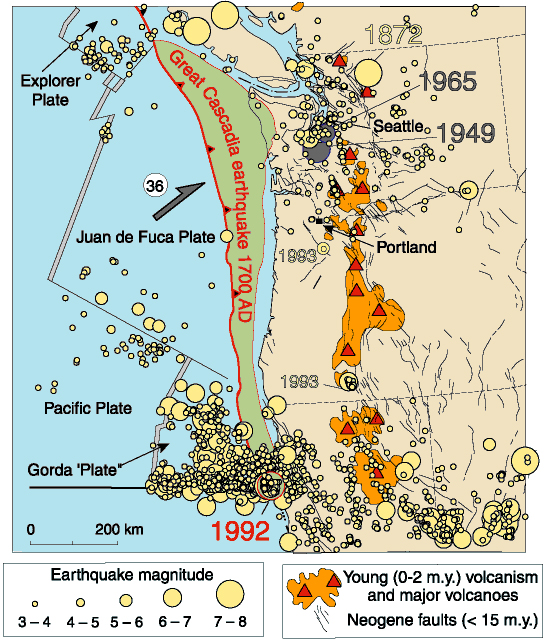
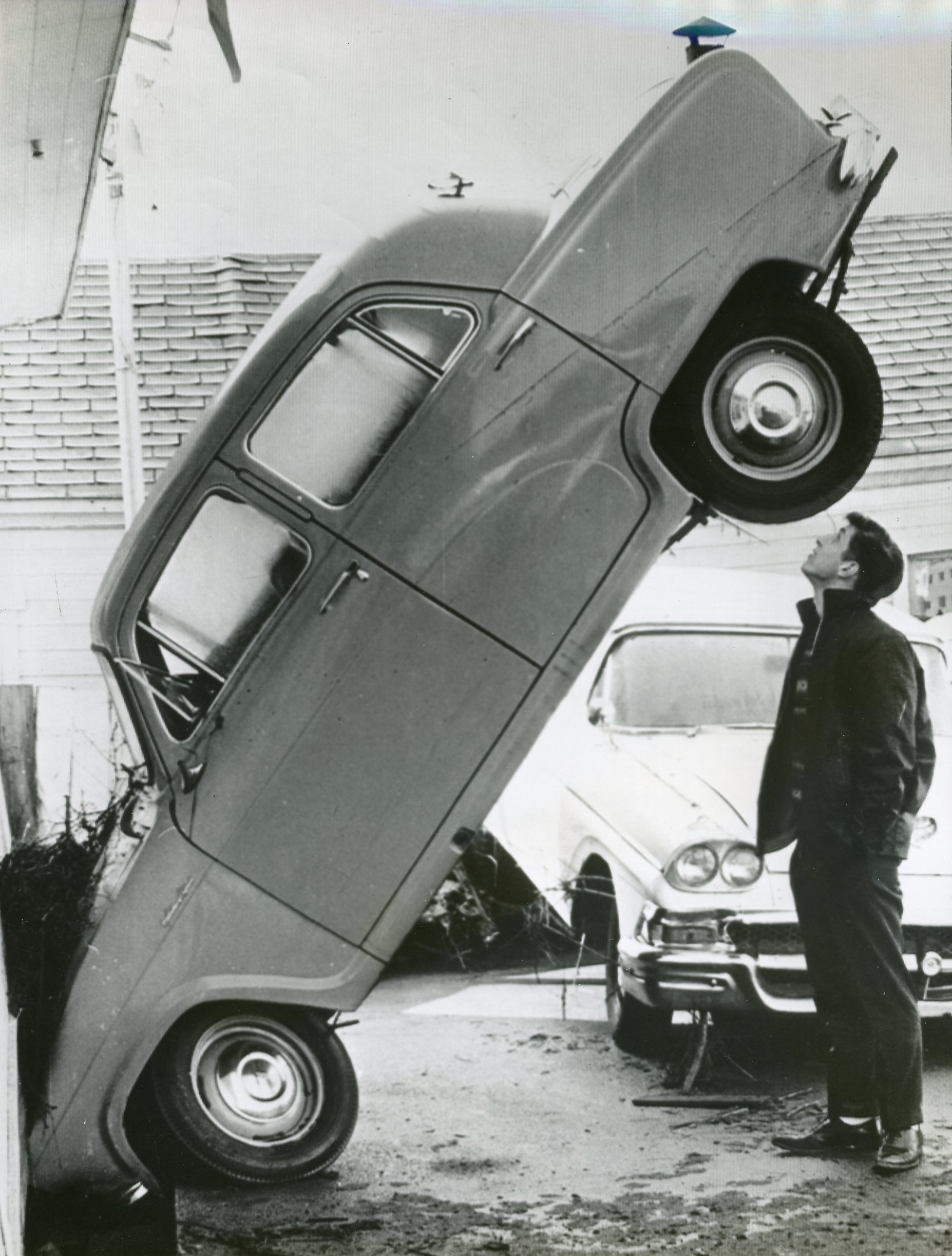
The 1964 tsunami, which caused severe flooding and property damage along the north coast, had been a wakeup call for the city. In 2016, voters in the Seaside School District approved a bond for a new high school and middle school outside of the tsunami zone in the city’s east hills. Tsunami preparation and mitigation continue to be an important part of city planning.
In the twenty-first century, Seaside’s economy is anchored almost entirely in tourism, retail, and health-care businesses. In 2024, room taxes from hotel and vacation rentals totaled nearly $9 million, 30 percent of city revenues. The rapid growth in population between 1900 to 1950 slowed to more gradual increases until 2020, when population leveled out to about 7,000 and remained there. The Latino community was as high as 15 percent of the population during the 2000s, as jobs in the forestry, fish processing, and services industries opened opportunities for workers to settle and establish families in the region. Seaside, a daytrip away from Portland and other Oregon cities, accommodates between 1.5 million and 2 million visitors a year.
-
![Arthur Prentiss, photographer.]()
Seaside, c.1921.
Arthur Prentiss, photographer. Oregon Historical Society Research Library, Neg. No. 51540, Photo File #951-A
-
![]()
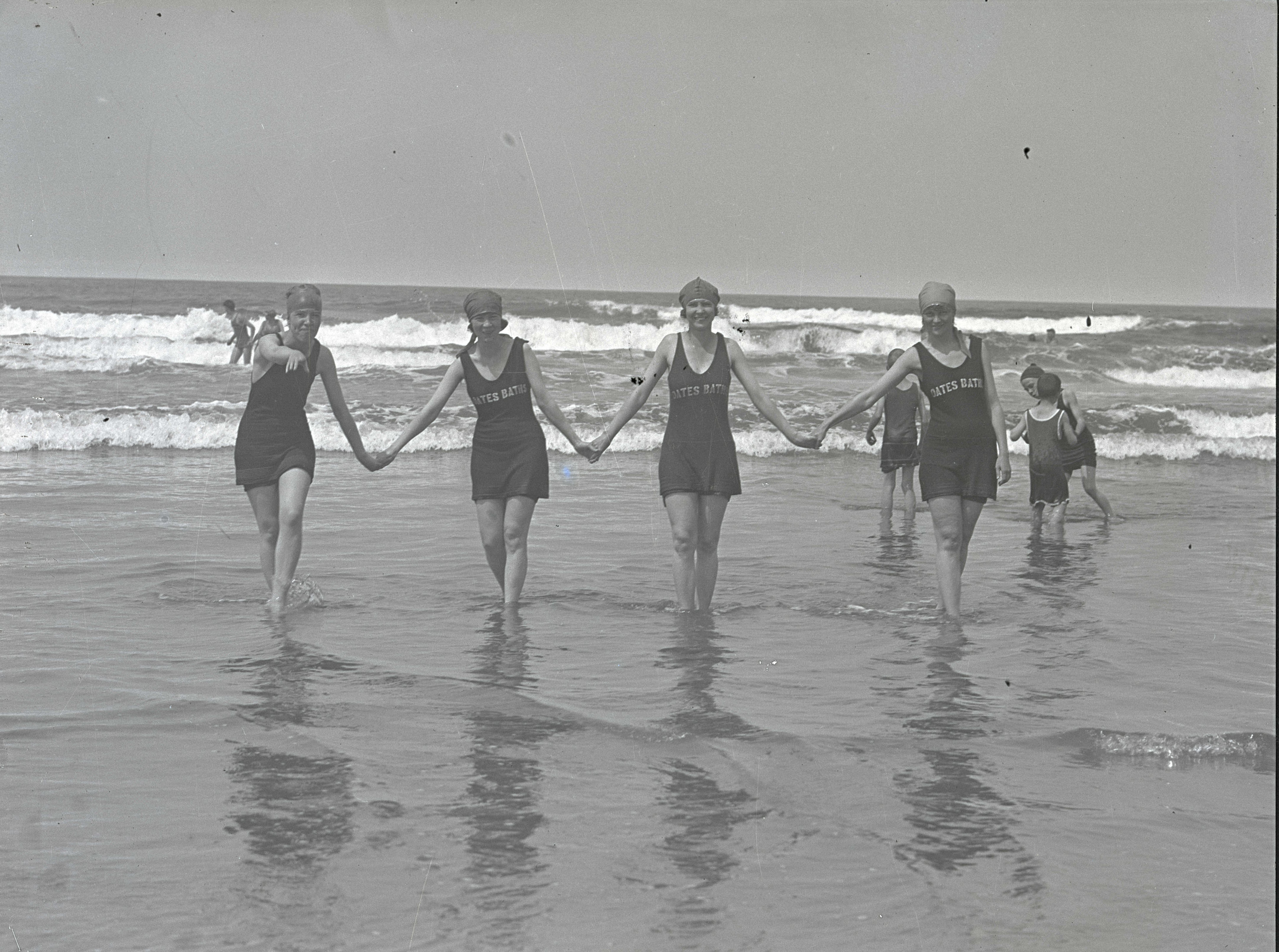
Four women wading in the surf at Seaside, Oregon, c.1910-24.
Oregon Historical Society Research Library, Digital Collections, Oregon Journal Negative Collection; Org. Lot 1368; Box 376; 376G0362 -
![]()
Seaside Place, c.1873.
Oregon Historical Society Research Library, Neg No. 9042, Photo File #951-E
-
![]()
Ben Holladay Hotel, Seaside, Oregon, 1880.
Oregon Historical Society Research Library, Neg. No. 47262, Photo File #951-E
-
![]()
Necanicum River and Grimes Hotel, Seaside, Oregon, August 22, 1886.
Oregon Historical Society Research Library, Neg. NO. 24021, Photo File #951-E
-
![]()
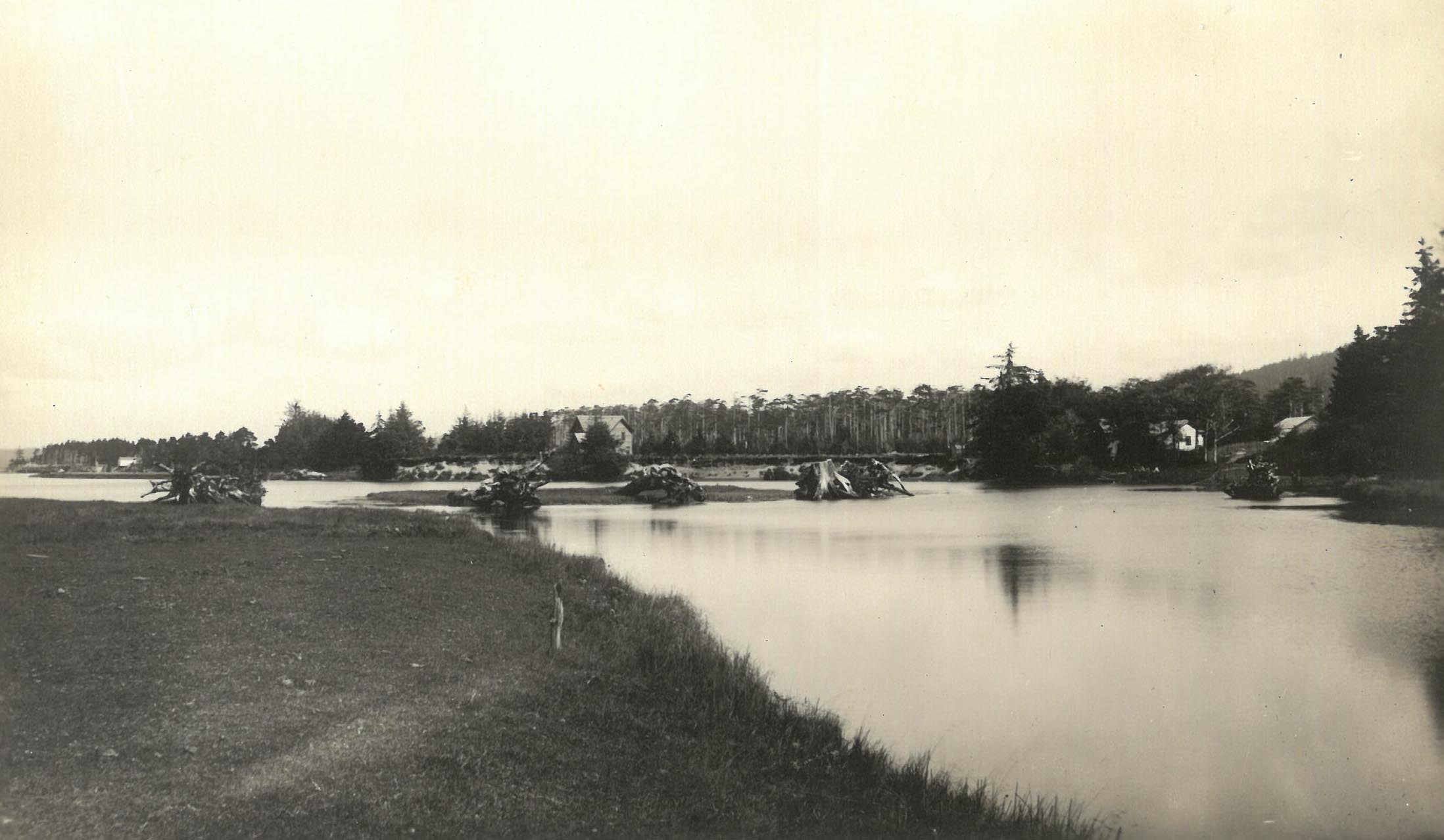
Necanicum River, Seaside, 1892.
Oregon Historical Society Research Library, Photo File #951-G
-
![]()
Train Station in Seaside, Oregon, c.1903-25.
Oregon Historical Society Research Library, Digital Collections, Spokane, Portland, and Seattle Railway photographs; Org. Lot 78; Box 3, Folder 1; 001 -
![]()
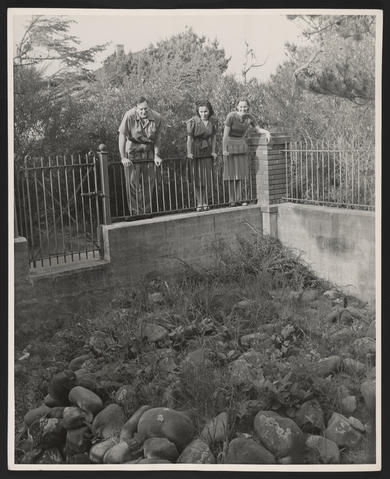
Lewis and Clark Salt Works - Seaside, Oregon, c.1912-32.
Oregon Historical Society Research Library, Digital Collections, Spokane, Portland, and Seattle Railway photographs; Org. Lot 78; Box 1, Folder 20; 026 -
![]()
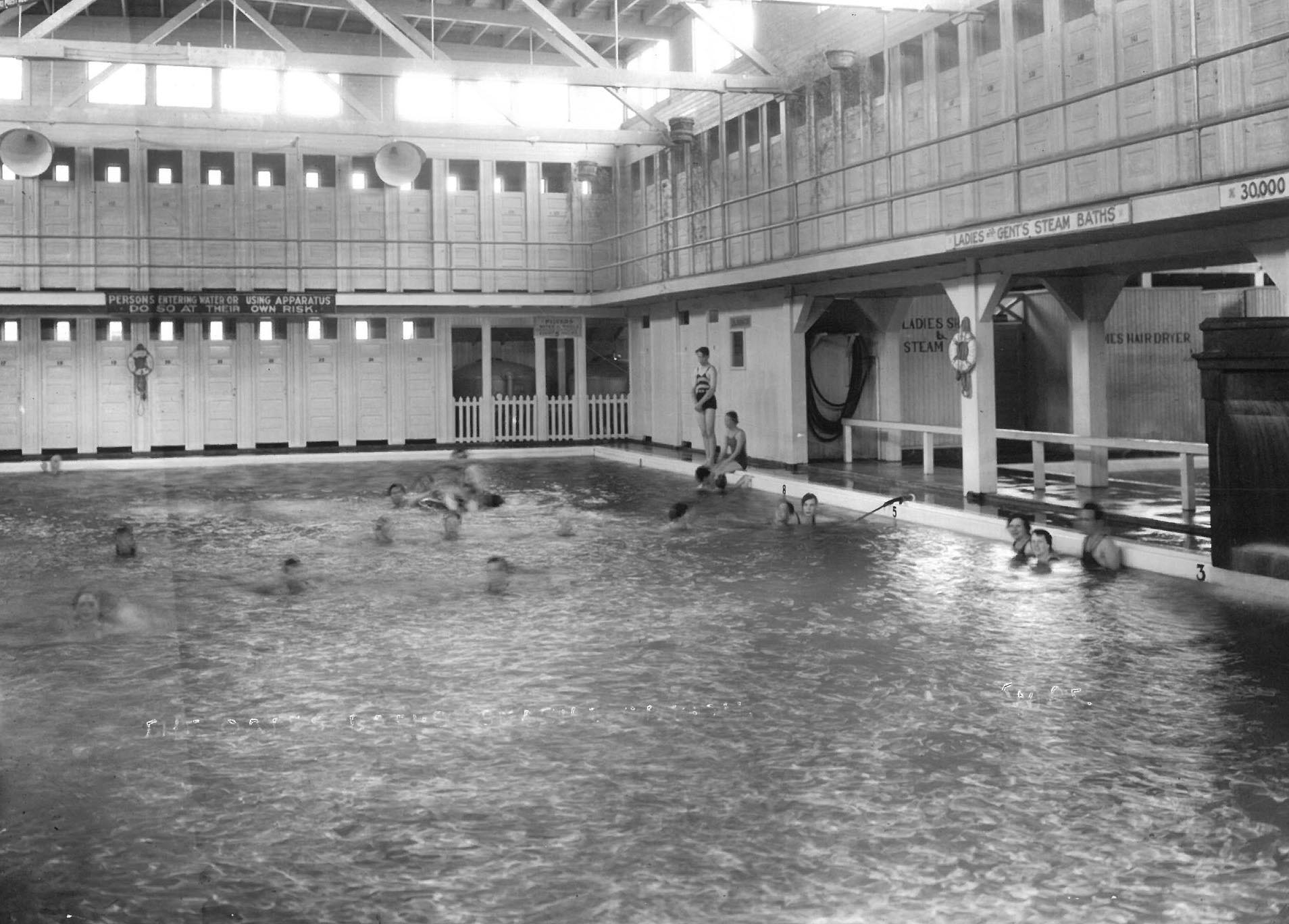
Oates Bath House.
Oregon Historical Society Research Library, Neg. No. 18253, Photo File #951-D
-
![]()
Seaside street scene.
Oregon Historical Society Research Library, OrHi 46078, Photo File #951-A
-
![]()
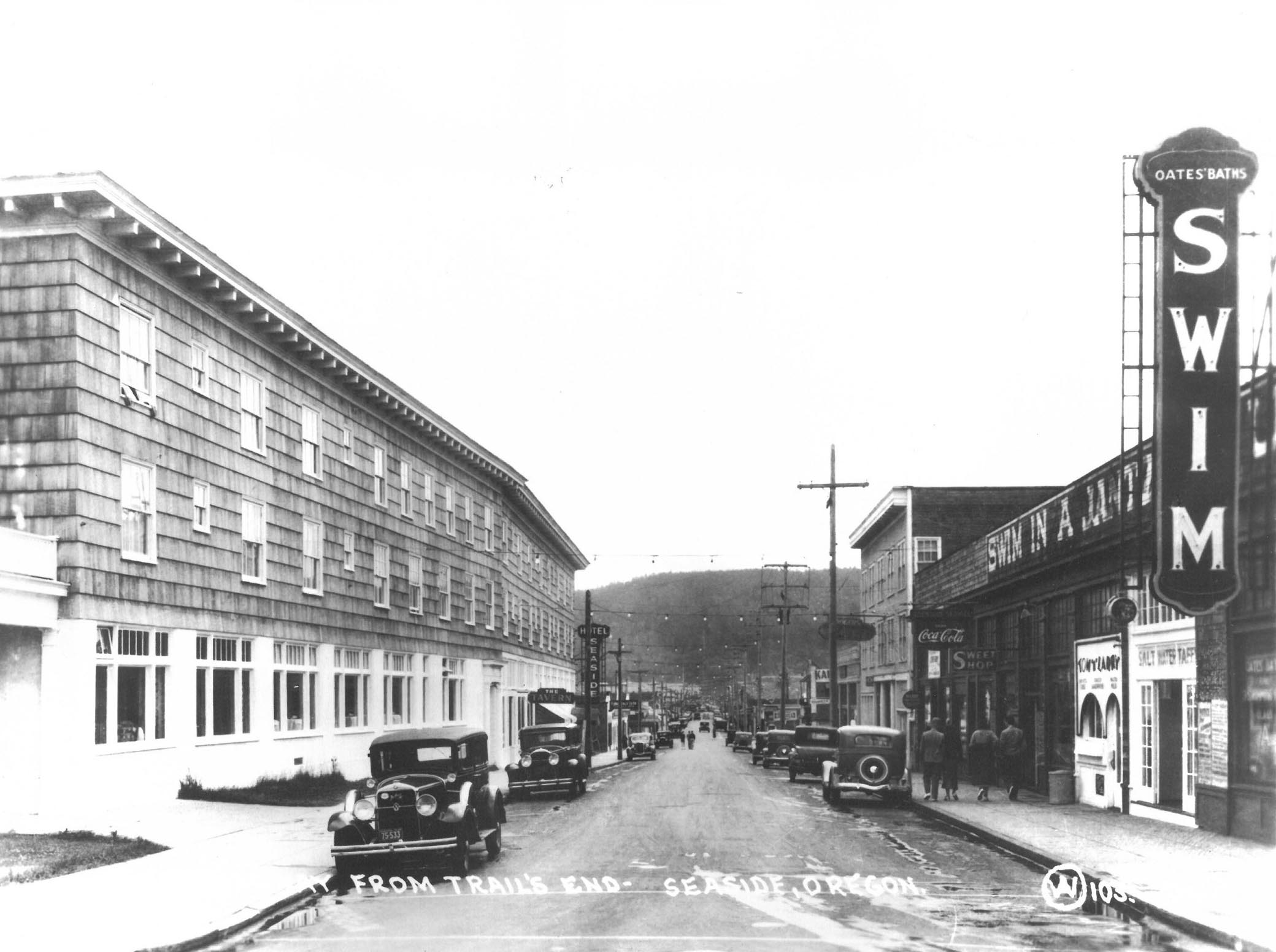
Broadway from Trail's End - Seaside, Oregon.
Oregon Historical Society Research Library, ba016609, Photo File #951-A
-
![]()
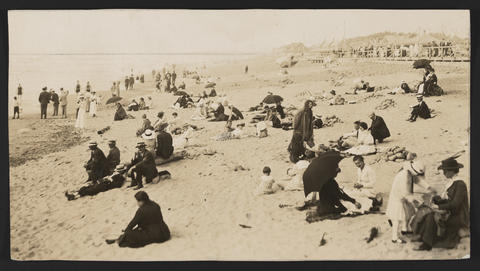
On the sands at Seaside, Oregon, c.1900-1922.
Oregon Historical Society Research Library, Digital Collections, Spokane, Portland, and Seattle Railway photographs; Org. Lot 78; Box 1, Folder 20; 001 -
![]()
Promenade in Seaside, Oregon, c.1912-32.
Oregon Historical Society Research Library, Digital Collections, Spokane, Portland, and Seattle Railway photographs; Org. Lot 78; Box 1, Folder 20; 016 -
![]()
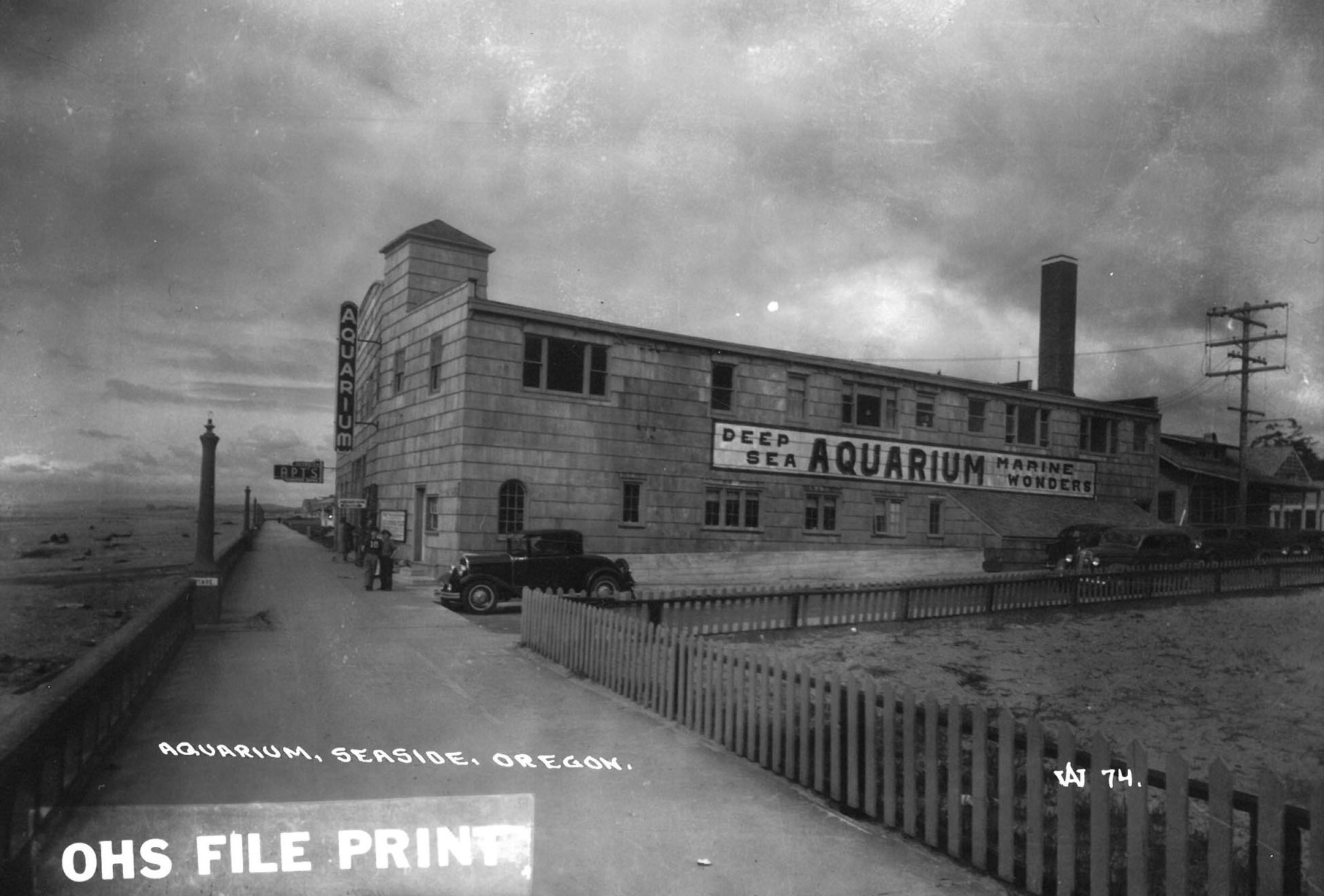
Seaside Aquarium.
Oregon Historical Society Research Library, Neg. No. 18247, Photo File #951-D
-
![]()
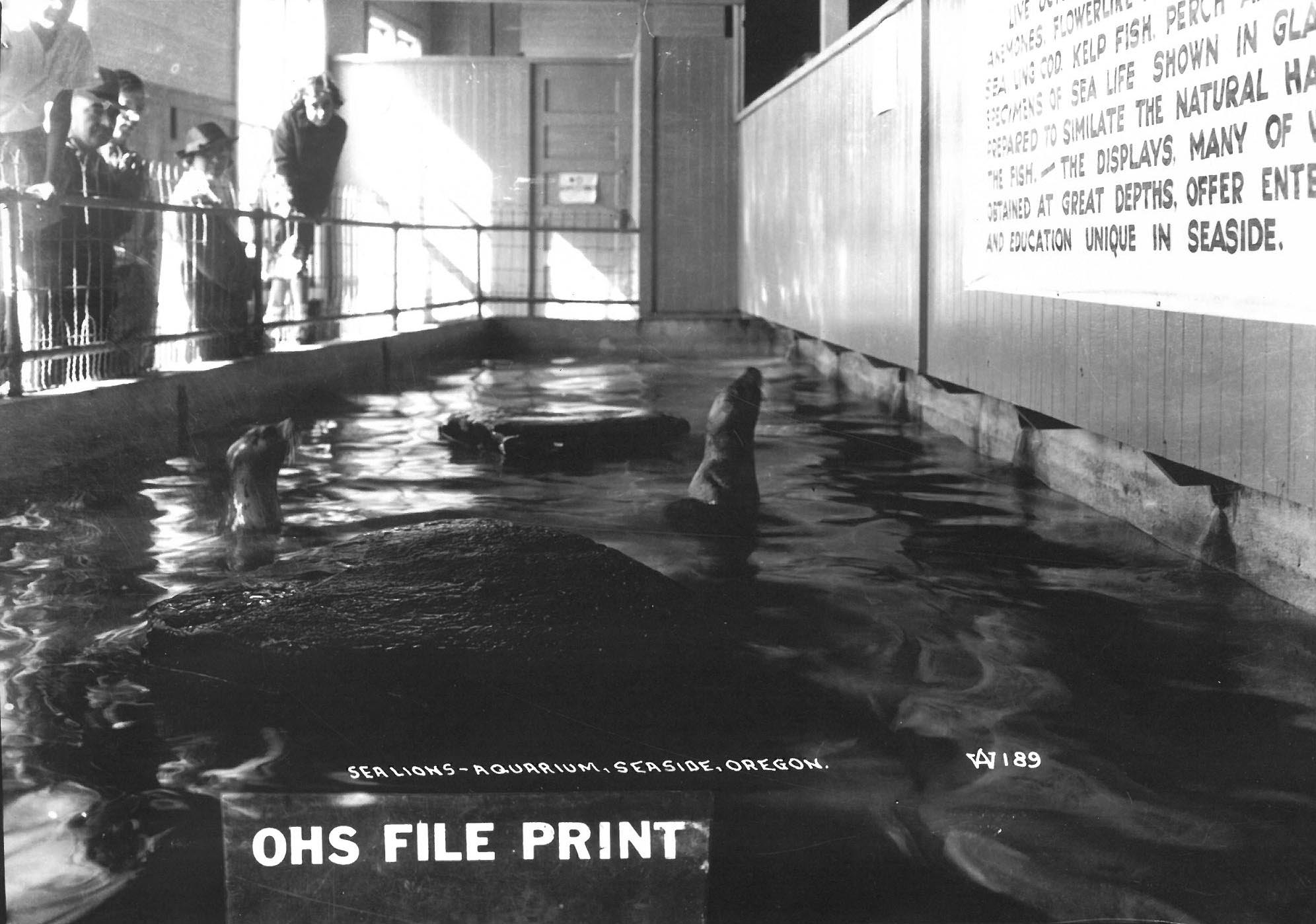
Seals at the Seaside Aquarium.
Oregon Historical Society Research Library, Neg. No.18228, Photo File #951-D
-
![]()
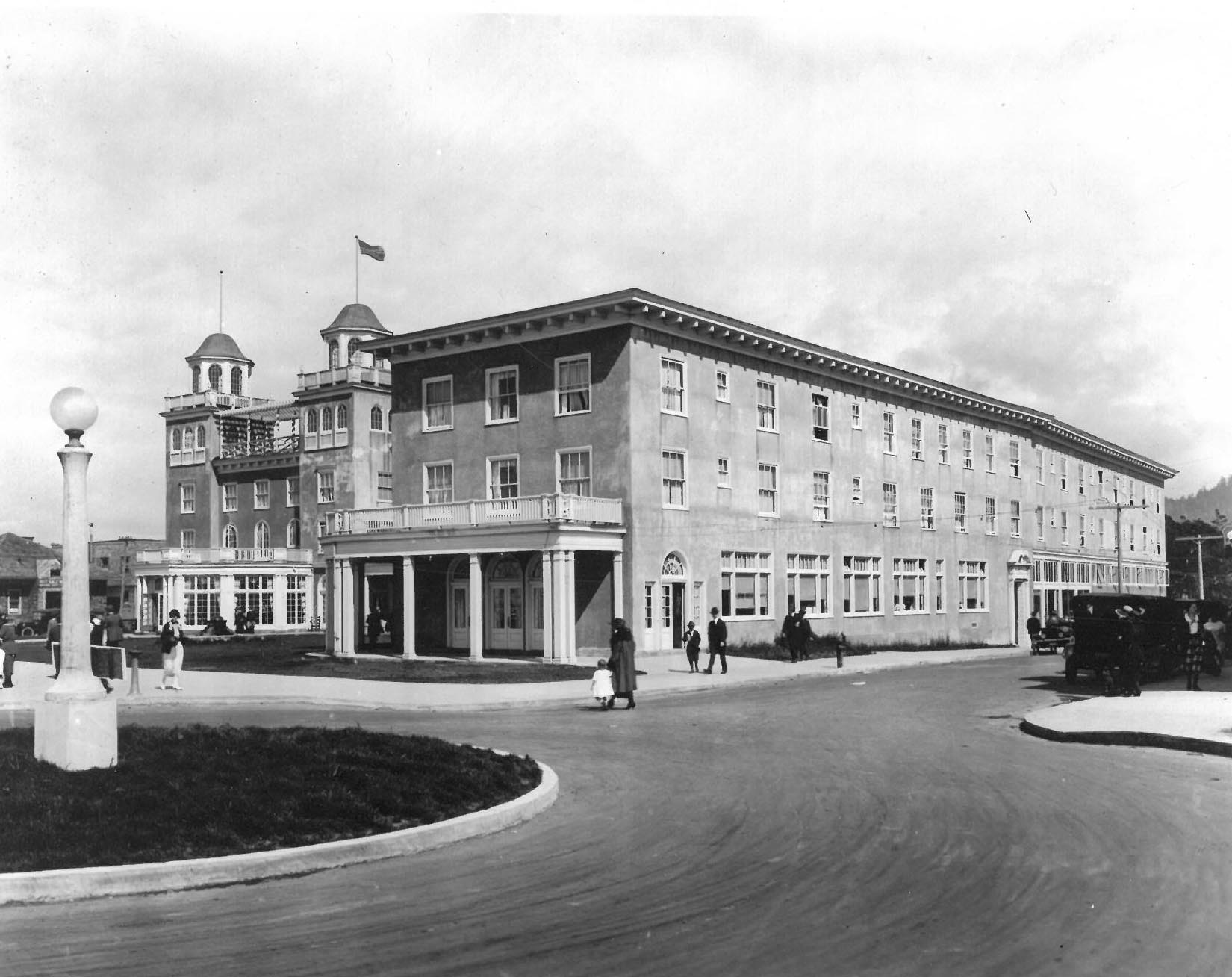
Seaside Hotel, c.1920-30.
Oregon Historical Society Research Library, Neg. No. 64968, Photo File #951-E
-
![]()
-
![]()
Lewis and Clark Salt Works - Seaside, Oregon. c.1940.
Oregon Historical Society Research Library, Digital Collections, Spokane, Portland, and Seattle Railway photographs; Org. Lot 78; Box 1, Folder 20; 025 -
![]()
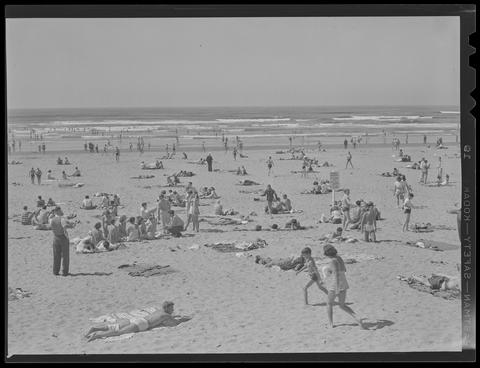
Seaside beach scene, August 25, 1940.
Oregon Historical Society Research Library, Digital Collections, Al Monner news negatives; Org. Lot 1284; Box 9; 197-2 -
![]()
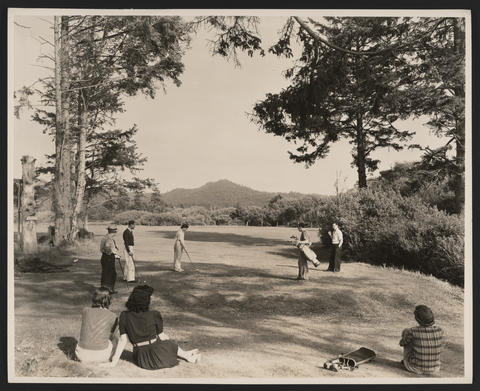
Seaside Golf Course - Seaside, Oregon, c.1940.
Oregon Historical Society Research Library, Digital Collections, Spokane, Portland, and Seattle Railway photographs; Org. Lot 78; Box 1, Folder 20; 023 -
![]()
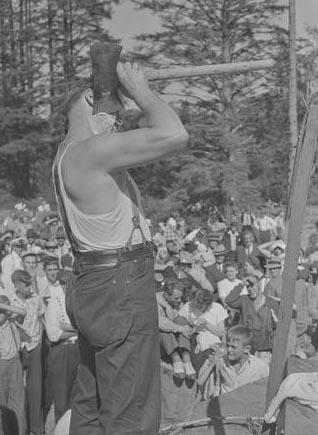
Loggers' Carnival at Seaside, August 25, 1940.
Oregon Historical Society Research Library, Digital Collections, Al Monner news negatives; Org. Lot 1284; Box 9; 196-6 -
![]()
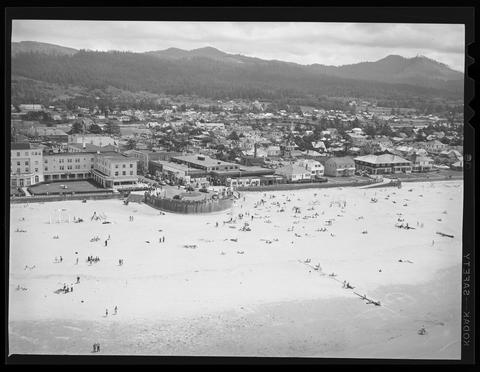
Aerial view of Seaside, July 5, 1947.
Oregon Historical Society Research Library, Digital Collections, Al Monner news negatives; Org. Lot 1284; Box 28; 1235-8 -
![]()
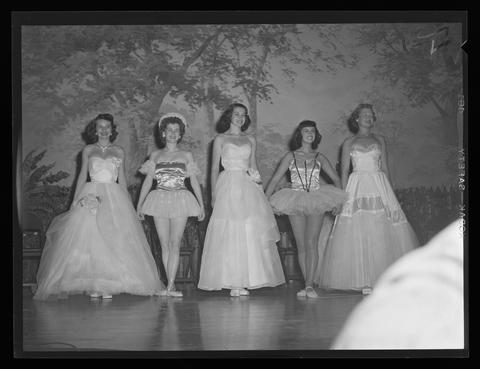
"Miss Oregon" contest at Seaside, July 1951.
Oregon Historical Society Research Library, Digital Collections, Al Monner news negatives; Org. Lot 1284; Box 39; 1897-9 -
![]()
State policemen charge potential "troublemakers," September 1962.
Oregon Historical Society Research Library, Oregon Journal Photograph, Neg. No.72225, Photo File #951-F
-
![]()
Police officers search Seaside Rioters cars, September 1962.
Oregon Historical Society Research Library, Oregon Journal photograph, Photo File #951-F
-
![]()
Policeman attempts to clear a block during the Seaside riots, September 1963.
Oregon Historical Society Research Library, Oregon Journal Photograph, Photo File #951-F
Related Entries
-
![Andrew B. Hammond (1848-1934)]()
Andrew B. Hammond (1848-1934)
Sensing opportunity following the Panic of 1893, Montana businessman An…
-
![Earthquakes and Tsunamis in the Cascadia Subduction Zone]()
Earthquakes and Tsunamis in the Cascadia Subduction Zone
Sometime in the future, the Pacific Northwest, including Oregon, Washin…
-
![Fort Clatsop]()
Fort Clatsop
Built in 1805 near present-day Astoria, Fort Clatsop was the winter qua…
-
![Gearhart]()
Gearhart
The coastal town of Gearhart, with a 2021 population of 1,793, faces th…
-
![Hood To Coast Relay]()
Hood To Coast Relay
A nearly 200-mile foot race, the Nike Hood To Coast attracts runners fr…
-
![Indian Place (Seaside)]()
Indian Place (Seaside)
Indian Place was a Native community on the Necanicum River estuary in p…
-
![Lewis and Clark Expedition]()
Lewis and Clark Expedition
The Expedition No exploration of the Oregon Country has greater histor…
-
![Lewis and Clark National Historical Park]()
Lewis and Clark National Historical Park
In late 1805, the members of the Lewis and Clark Expedition arrived on …
-
![Oregon Coast Trail]()
Oregon Coast Trail
Winding for 382 miles along the Oregon Coast, the Oregon Coast Trail is…
-
![Oregon Tsunami Hazard Mitigation Program]()
Oregon Tsunami Hazard Mitigation Program
The National Tsunami Warning System provides advance warning of earthqu…
-
![Silas Bryant Smith (1839-1902)]()
Silas Bryant Smith (1839-1902)
Silas Bryant Smith played a key role in recording the traditions, relig…
-
![Spruce Production Division]()
Spruce Production Division
In 1918, during World War I, almost thirty thousand U.S. soldiers were …
-
![US 101 (Oregon Coast Highway)]()
US 101 (Oregon Coast Highway)
Many places on the Oregon coast were virtually inaccessible in the earl…
Related Historical Records
Map This on the Oregon History WayFinder
The Oregon History Wayfinder is an interactive map that identifies significant places, people, and events in Oregon history.
Further Reading
Koler/Morrison Preservation and Planning Consultants. “A Survey and Inventory of Historic Resources City of Seaside Oregon. Oregon City, 1987.
Hansen, Inez Stafford. Life on "Clatsop." Hansen: Gearhart, 1988.
"The Lewis & Clark Salt Works." National Park Service.
Seaside Signal, June 5, 1980, 2; July 17, 1980, 2; Aug. 14, 1980, 2; Oct. 16, 1980, 2; Oct. 30, 1980, 2; Nov. 6, 1980, 2; Dec. 4, 1980, 2; Aug. 7, 2017.
Glen, Susan L. Images of America: Seaside, Oregon, 1920-1950. Mount Pleasant, SC: Arcadia, 2007.
Marx, R. J. Seaside’s Rock ‘n’ Roll Riots 1962-1964. Seaside, Ore.: Cover to Cover Publishing, 2024.
Marx, R.J. “Voters back school bond.” Seaside Signal, November 7, 2016, p. 1