


Charles Britton Maxey and Johnnie Obina Samples Maxey, known as the perfect team, shared a deep and abiding commitment to their faith, family, and community in Portland. Their arrival in Oregon in 1941 reflected the spirit of the Great Migration, when African American families sought economic opportunity, dignity, and a better future for themselves and their communities. Married for sixty-one years, the Maxeys lived their lives in plain view as devoted parents, successful entrepreneurs, and faithful members of Bethel AME Church and left a legacy of steadfast champions of justice. Their influence, through civic engagement and political connections, is evident in the organizations the Maxeys helped found and foster and in the neighborhoods where they lived and worked.
Charles was born in February in San Augustine, Texas, in 1917. He was the son of Robert and Virgie Watts Maxey and lived on a farm his parents purchased in the early 1900s, before WWI. When his parents separated, the six children moved with their mother to Longview, Texas. He attended a high school there funded by the Rosenwald Foundation—a rural school building program for African American children. Maxey attended Texas College in Tyler, Texas, on a football scholarship and pledged to Kappa Alpha Psi. He would later co-establish all of the chapters of the fraternity in Oregon.
As a junior, Charles met his future wife, Johnnie Obina Samples. Obina, as her family and friends called her, was born in Kilgore, Texas, in 1919. As a child, she was stricken with rheumatic fever and bedridden until she was five years old. In 1938, she attended Texas College, met Charles on her first day of school, and became his Kappa Alpha Psi sweetheart. The couple secretly married on October 15, 1939. The couple began their community involvement in college with membership in the National Association for the Advancement of Colored People (NAACP), then considered a radical organization. If known by the college administration, the Maxey’s membership would have resulted in automatic expulsion from school.
After graduating from Texas College with a bachelor of arts, Charles taught for two years in his hometown, but the low salary motivated him to seek employment elsewhere. The couple and their daughter Carol left Texas for a brief stay in Colorado. During the War, Charles landed a well-paying job with Morrison-Knutson in Tooele, Utah, where he built ammunition igloos (storage bunkers for munitions).
In February 1942, the Maxeys relocated to Portland when Charles was offered a teaching position via mail, only to have it rescinded when Portland Public Schools (PPS) learned he was Black. He found employment in Vancouver, Washington, at one of the six local shipyards that produced military vessels for the U.S. Maritime Commission. Unlike Portland, the Washington company welcomed Black workers into the union. After his employment at the shipyard ended, discriminatory hiring practices prevented him from using his college degree. Eventually, he enrolled in Portland’s franchise of the Moler Barber College on Southwest Third in 1945 and became one of the first Black students to graduate from the college.
Upon settling in Portland, Charles and Johnnie became very active at Bethel AME, one of Portland's oldest Black churches. NAACP members since their teen years, the couple immediately became involved in the Portland Branch, registered as Republicans, and became active members of the Oregon Young Republicans. Johnnie registered voters in the African American community and was a member of the Voter's Election Board from 1949-1958 while serving as a precinct member and captain for all elections.
In June 1949, Charles was the only African American with the Oregon delegation to travel to Salt Lake City, Utah, for the National Young Republican Convention, and he was not allowed to stay at the conference hotel. Due to the strong support of the Oregon delegation, which included future secretary of state Clay Myers and future senator and Oregon governor Mark Hatfield, he remained faithful to the party and was often sought out by local Republican party leaders and other elected officials, including Hatfield and Tom McCall. In 1950, Charles was elected vice president of the Multnomah County branch of the Republican Party. When asked why the couple were Republicans, they responded that "they had never been allowed to vote in the South and felt that both parties were about the same in the treatment of Negroes; and besides, in Oregon, the Republicans were in control. So they went with the power players."
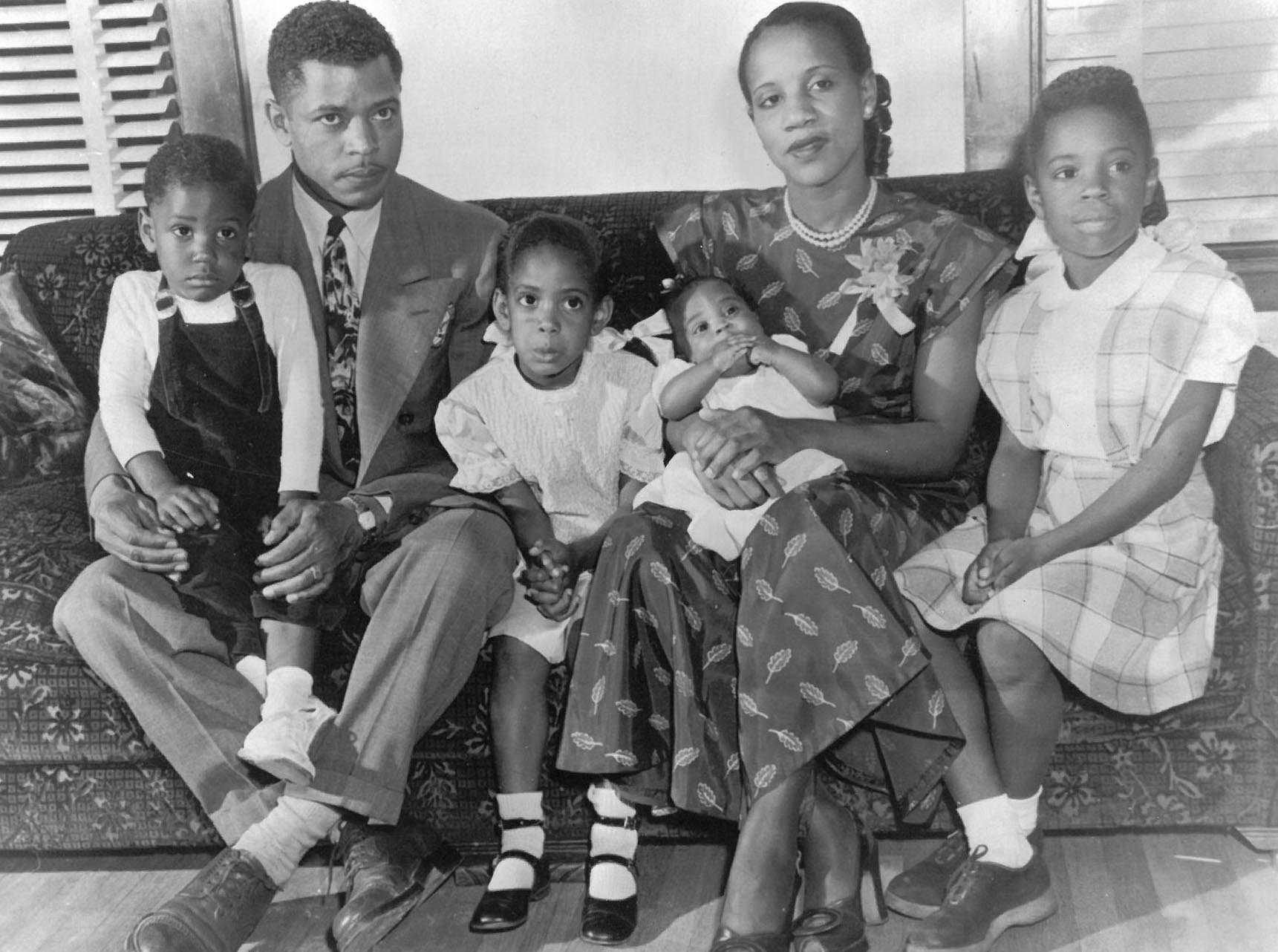
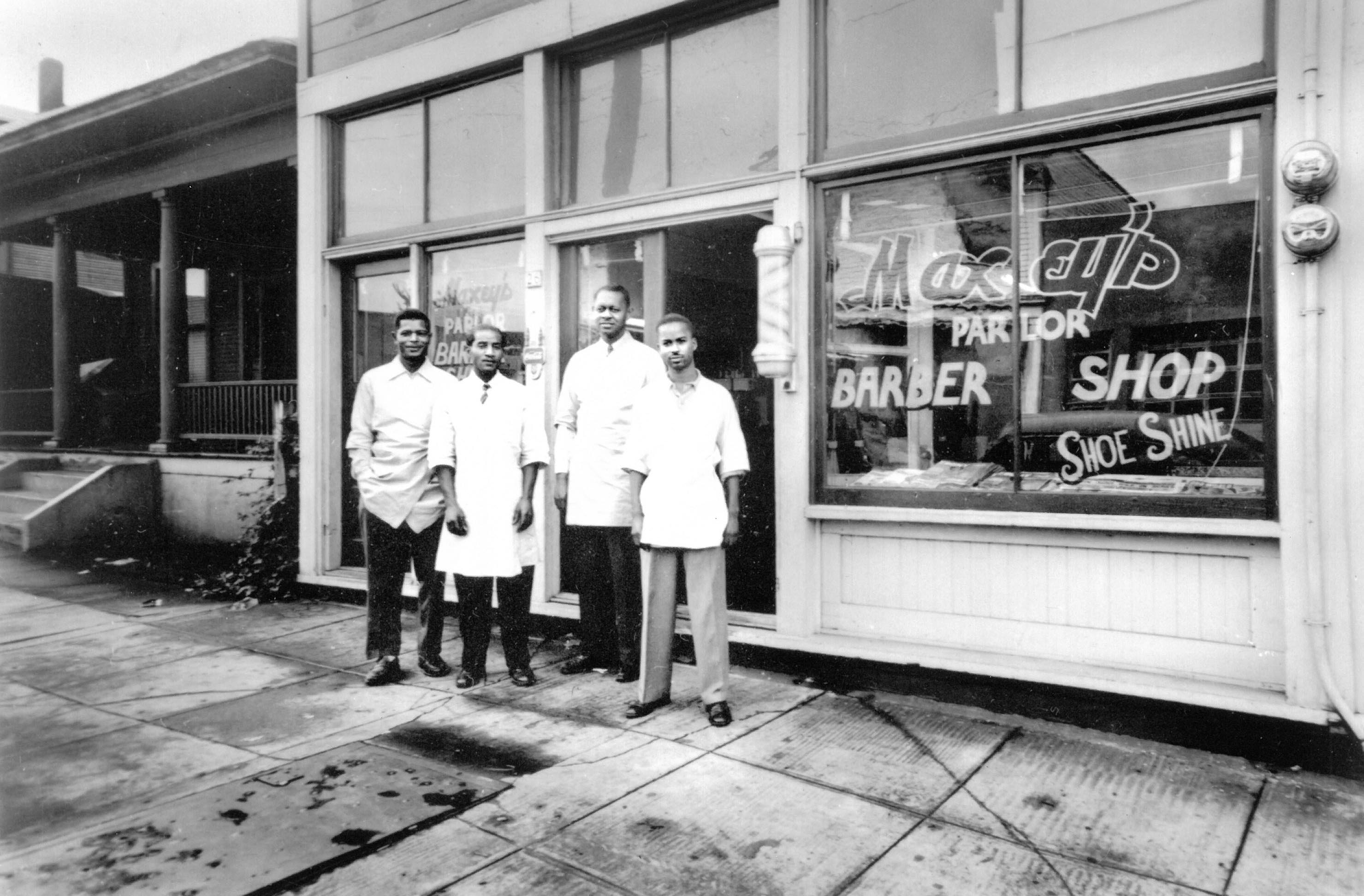
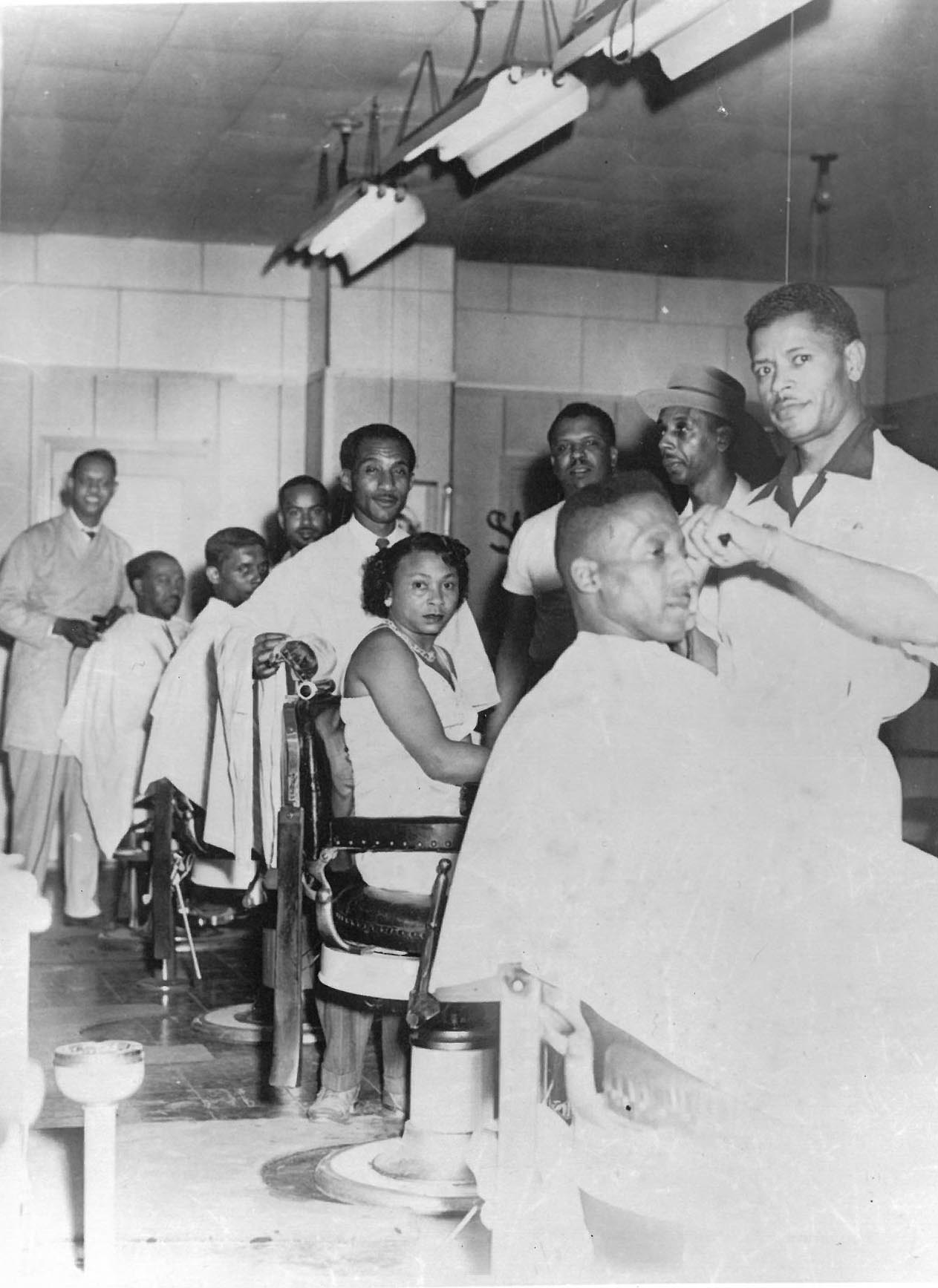
In 1945, the Maxeys purchased a family home near Emanuel Hospital, now Legacy Emanuel Medical Center. Between 1944 and 1955, they had four more children: Virginia, Charles W., Donna, and Jonathan. In 1959, the family was forced to relocate when their home was acquired and demolished under eminent domain by the city to expand the hospital. They remained in the Albina community, and for over forty years, Charles and Johnnie Maxey owned and operated several businesses there, including Maxey's Barbershop on NE Cherry Street. Later, it relocated to 26 NE Weidler Street and became Maxey's Barbershop Parlor, which housed a dry cleaner and an appliance store. The shops at NE Cherry and NE Weidler were demolished to make way for the Memorial Coliseum and I-5 Freeway. In 1959, the couple purchased a family-operated corner grocery store, Maxey's Better Buy Grocery, on the northwest corner of North Williams Avenue and Going, which later expanded to include Cash & Maxey's Barbershop. After selling the businesses, the couple served as agents for the Oregon Liquor Control Commission from 1981 to 1985.
Johnnie was an active leader and volunteer in Portland. In 1951, she helped co-found Les Femmes to support the education and social development of Black girls. She served as an advisor until 1959. From 1953 to 1959, she was a Bluebird and Camp Fire Girls leader, working with groups based at Boise and Eliot Elementary Schools. For ten years, she hosted a weekly after-school and summer Bible study at her home, was an active member of the Jefferson High School PTA for eleven years, served as president of the Boise School Parent-Teacher Association, and became the first PTA president of Eliot School following its relocation to Flint Street (now Harriet Tubman School). She was also the lead person for the Mothers' March of Dimes Drive in the Albina community from 1956 to 1959 and dedicated fifteen consecutive years of service to Little League.
Charles Maxey was an influential member of numerous organizations throughout his life. He served on the African American Advisory Board to the Chief of Police for the Portland Police Bureau and was a member of the NAACP Labor and Industry Committee. He was a member of the Urban League, the Parent-Teacher Association (PTA), the Jefferson and Benson High School Dads’ Clubs, the Leisure Hour Golf Club, the Texas Social Club, Kappa Alpha Psi Fraternity, Little League, Connie Mack Baseball, and the Barbershop Connection.
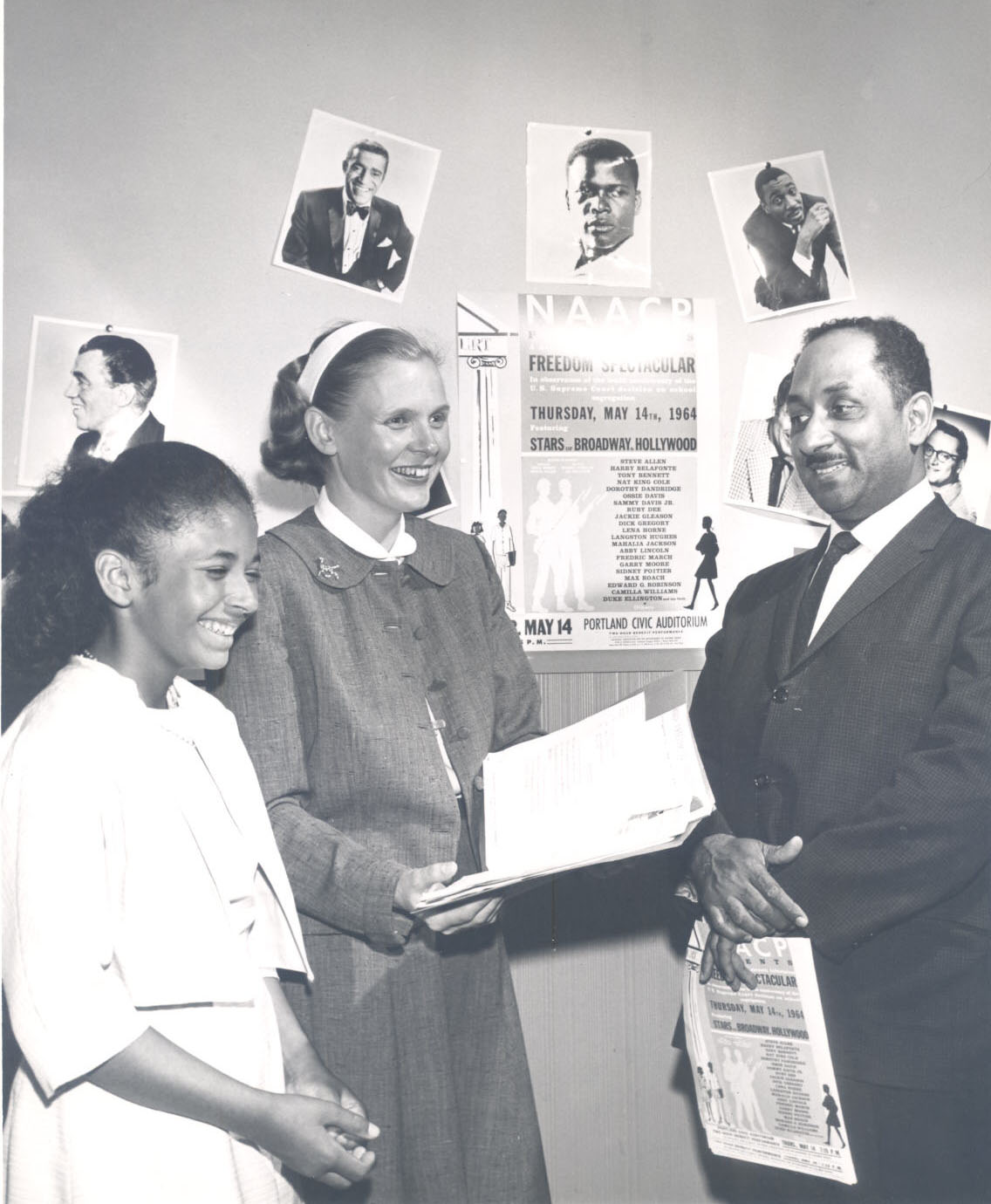
Charles and Johnnie were the recipients of many honors recognizing their leadership and service. In 1983, the Oregon Liquor Control Commission recognized them for their longstanding service to the community and the state of Oregon. Charles received the NAACP's honorary Freedom Award Citation, the Emerald Award for Lifetime Achievement from Alpha Kappa Alpha Sorority, and the Entrepreneurial Award from the State of Oregon. He was also presented with a Certificate of Recognition from Benson High School, the Real Father of the Community Award from the Barbershop Connection, and the Distinguished Citizen Award from the Zeta Sigma Omega Chapter of Kappa Alpha Psi Fraternity.
Charles survived at least one heart attack in the 1960s, but remained active for the rest of his long life. He died in 2001. Two years after he passed, the 72nd Oregon Legislative Assembly adopted Oregon Senate Concurrent Resolution 7 in honor of his lifetime of extraordinary contributions. In August 2019, the Albina community celebrated Johnnie’s 100th birthday at Dawson Park in North Portland. She died a year later in 2020.
-
![]()
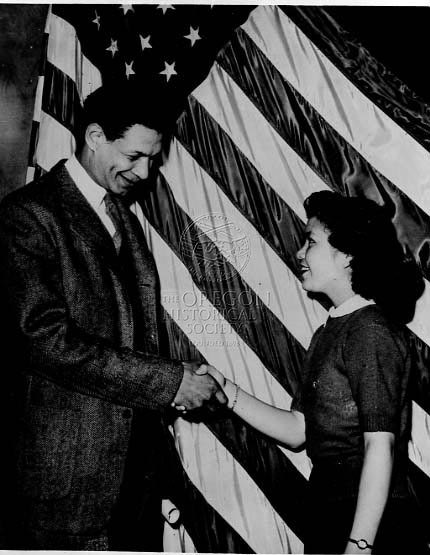
Charles Maxey with family.
Oregon Historical Society Research Library, OrHi 91070, Photo File #113-A
-
![]()
Charles Maxey's Barbershop, Portland.
Oregon Historical Society Research Library, bb009802, OrHi 91071, Photo File #113-A
-
![]()
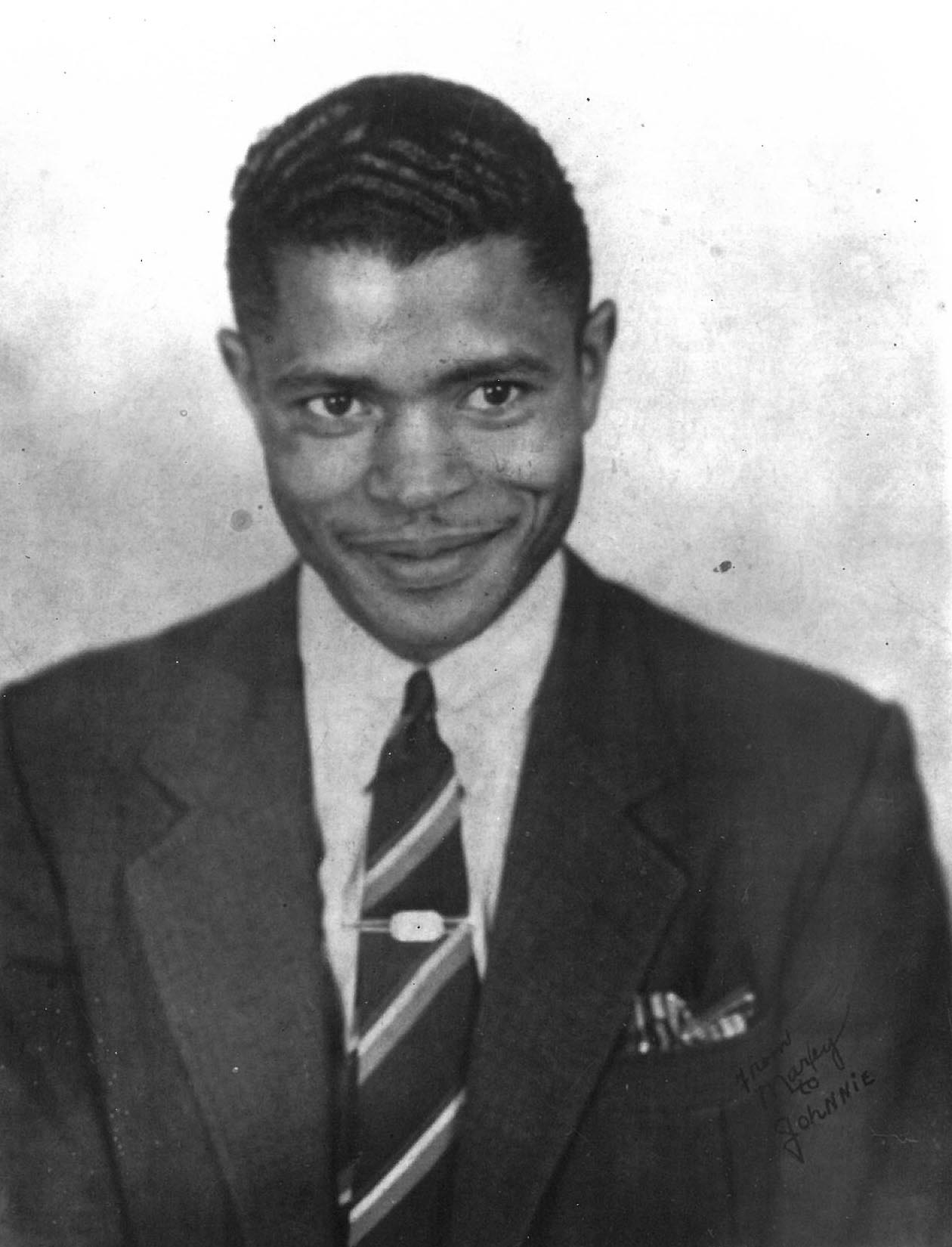
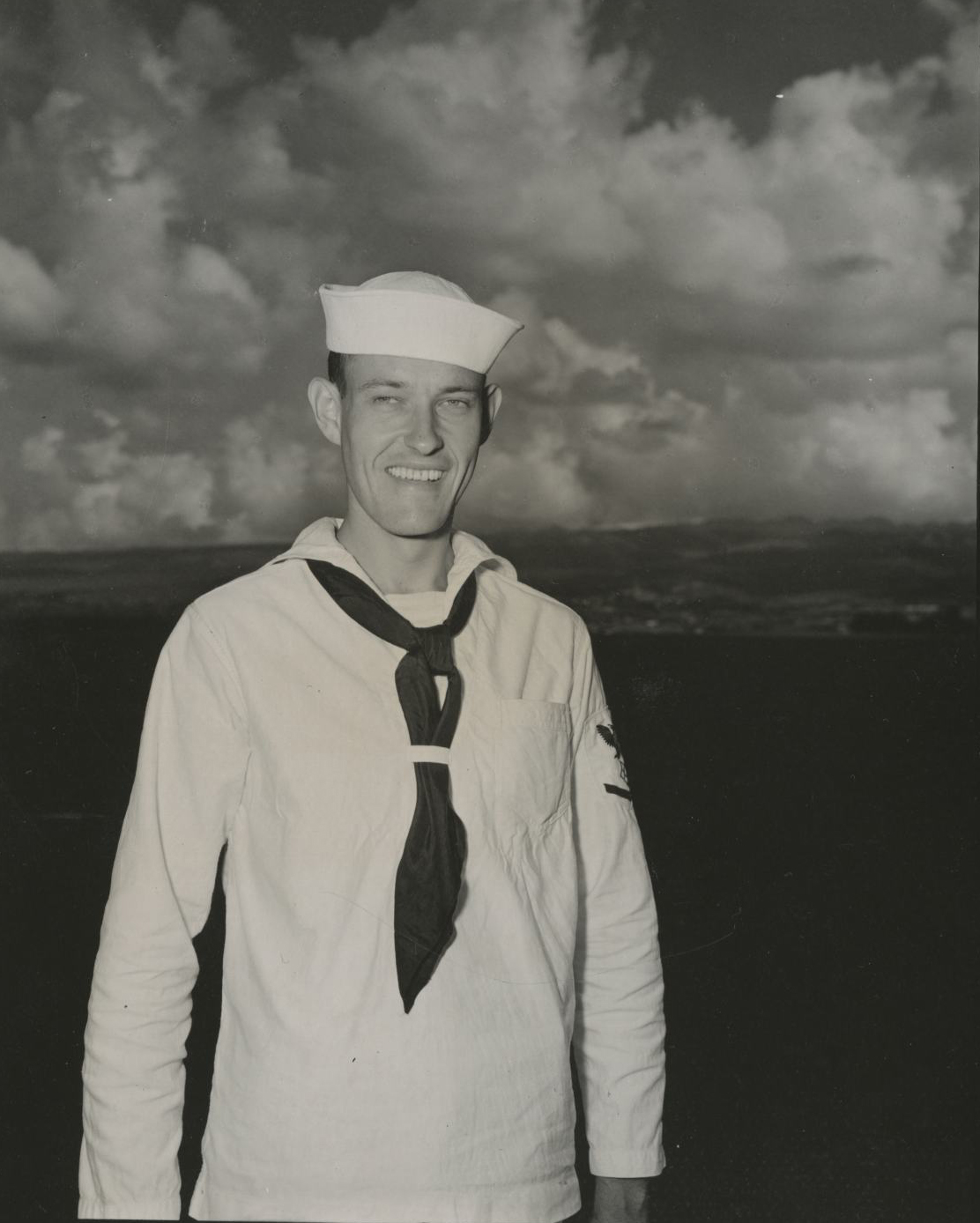
Portrait of Charles Maxey.
Oregon Historical Society Research Library, OrHi 91072, Photo File #113-A
-
![]()
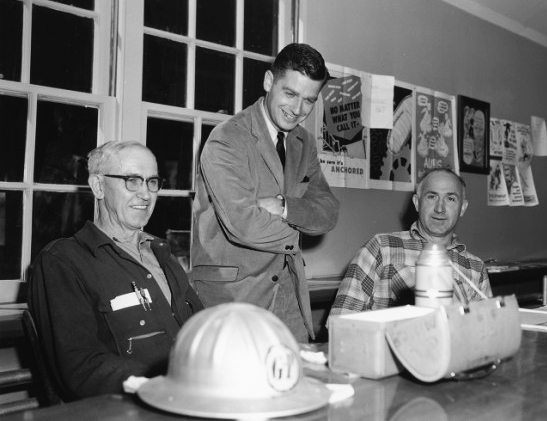
Interior of Maxey's Barbershop.
Oregon Historical Society Research Library, OrHi 91073, Photo File #113-A
-
![]()
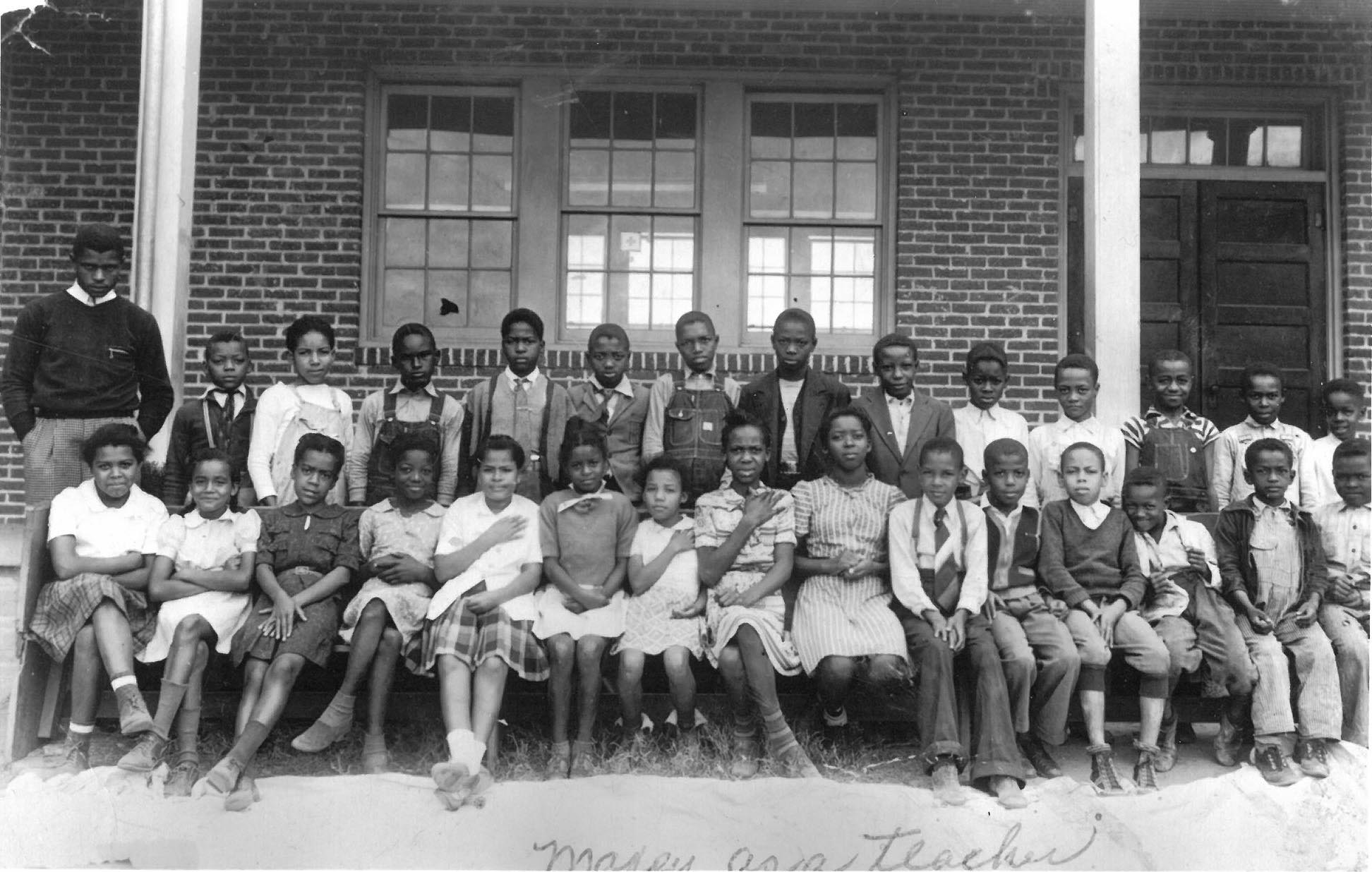
Charles Maxey as a teacher.
Oregon Historical Society Research Library, OrHi 91076, Photo File #113-A
Related Entries
-
![Albina area (Portland)]()
Albina area (Portland)
By the late 1880s, Albina, located across the Willamette River from Por…
-
![Black People in Oregon]()
Black People in Oregon
Periodically, newspaper or magazine articles appear proclaiming amazeme…
-
![Clay Myers Jr. (1927–2004)]()
Clay Myers Jr. (1927–2004)
Clay Myers served as Oregon Secretary of State from 1967 to 1977 and as…
-
![Edwin C. (Bill) Berry (1910–1987)]()
Edwin C. (Bill) Berry (1910–1987)
Bill Berry, a leader in the Urban League for nearly thirty years, was t…
-
![Mark O. Hatfield (1922-2011)]()
Mark O. Hatfield (1922-2011)
As an Oregon legislator, secretary of state, governor, and United State…
-
![Thomas William Lawson McCall (1913-1983)]()
Thomas William Lawson McCall (1913-1983)
Tom McCall, more than any leader of his era, shaped the identity of mod…
-
![William McClendon (1915-1996)]()
William McClendon (1915-1996)
William McClendon was a writer, journalist, intellectual, activist, and…
-
![Willie Mae Young Hart (1915-2017)]()
Willie Mae Young Hart (1915-2017)
In addition to the community organizing that characterized so many of h…
Related Historical Records
Map This on the Oregon History WayFinder
The Oregon History Wayfinder is an interactive map that identifies significant places, people, and events in Oregon history.
Further Reading
“Envoys of All Counties Due at GOP Meet.” Salt Lake City Tribune, October 3, 1949, p. 13.
Perlman, Lee. “Residents criticize traffic control plan.” Portland Oregonian, January 27, 1992, p. 4.
Melton, Kimberly. “25 who made a difference.” Portland Oregonian, January 19, 2010, p. 13.
Maxey, Donna. “100th Year Birthday.” Portland Tribune, August 21, 2019.
Davis, Rob. “The whitewashing of Albina’s destruction.” Portland Sunday Oregonian, June 4, 2023.
Oregon Concurrent Resolution 7. In memoriam: Charles Britton Maxey, 1917-2001.