


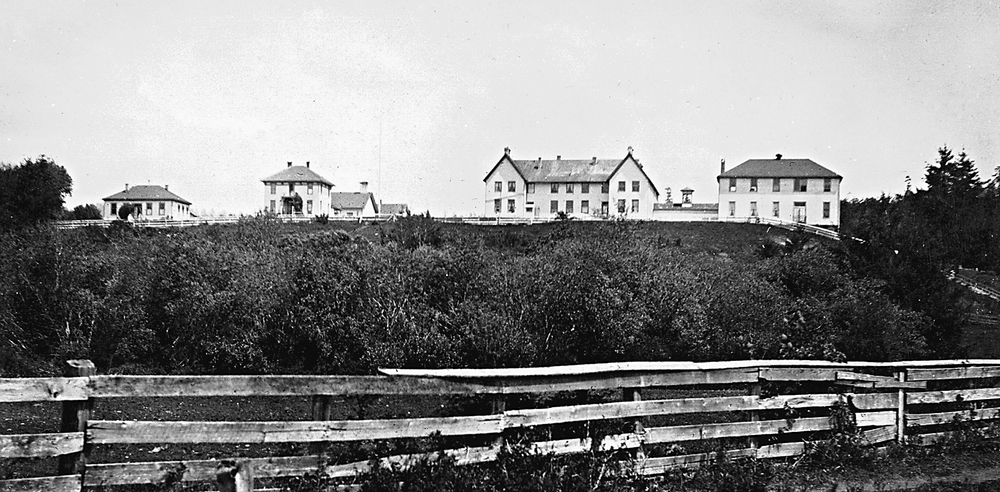
Camp Meriwether is a youth recreational and educational facility in northwest Oregon on a nearly 800-acre forested beachfront property about twenty miles southwest of the city of Tillamook. The camp is south of Cape Lookout and north of the Sand Lake Estuary. Established in 1926, it is owned and operated by the Cascade Pacific Council—the regional chapter of Scouting America (formerly Boy Scouts of America)—and is one of the oldest, continuously operating scouting camps in Oregon. An estimated 3,000 scouts attend Camp Meriwether each summer season.
The Boy Scouts of America, established in 1910, was modeled after a scouting movement developed by British army officer Robert Baden-Powell. His handbook, Scouting for Boys, provided guidelines for character development and outdoor activities. Young boys formed unofficial troops centered on the guide, and the Boy Scouts of America coordinated those groups across the United States. The Portland Council, the predecessor of the Cascade Pacific Council, was formed in 1916 by a group of businessmen.
The council established a permanent summer campsite and lodge in 1918 in the Mount Hood National Forest at the foot of Mount Chinidere on Lake Wahtum. Hundreds of scouts visited annually until an unattended fire burned the barracks to the ground in 1925. No one was injured, but the scouts needed a new site. Scout executive George H. Oberteuffer, "Chief Obie,” asked the council for a larger, more accessible space.
The council approached Ernst A. Chamberlain, who owned property on the coast. In 1886, Ezra and Hannah Chamberlain had established a homestead there with their sons Orlo and Ernst. The site is covered in salal brush and contains a freshwater lake named for the family. The homestead was on the traditional homelands of the Tillamook, whose descendants are members of the Confederated Tribes of Siletz Indians. An unratified treaty and an executive order in 1855 removed most of the Tillamook people to the Coast Reservation.
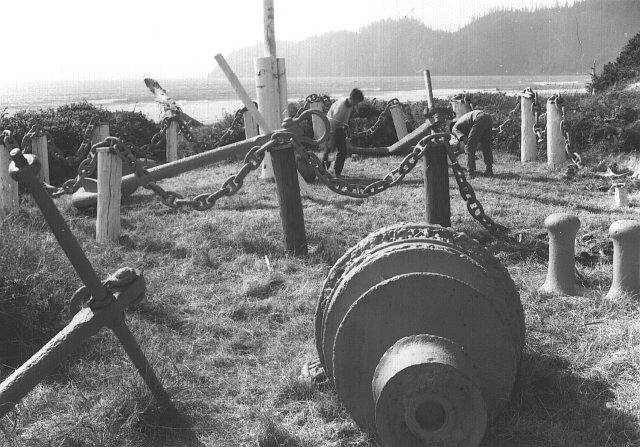
In 1890, a Norwegian-crewed full-rigged sailing ship, the Struan, was damaged in a storm and crashed into the shore a mile south of Cape Lookout. The crew was rescued, but the ship was a loss and locals salvaged the cargo. The Chamberlains built a small sawmill on the beach to process the 1.2 million feet of pine lumber abandoned in the hull. The wood was used to build nearby barns and homes.
Chamberlain donated 80 acres for the scout camp and sold the Cascade Pacific Council 408 acres of his coastal property for $21,000. (The council’s annual budget in 1925 was $24,000.) Aubrey R. Watzek, chair of the camp committee, donated $5,000 for the down payment. The first buildings were financed with the $6,000 insurance settlement from the fire.
Oberteuffer broke from scouting tradition and created one of the first scout camps in the country organized under the unit system. Instead of rows of canvas tents on wooden frames in a central location, scouts were divided among four smaller campsites: Bunyan, Lookout, Pirates, and Struan. The camps were secluded from the main facility and each other and were connected by walking trails. Each had different recreational and educational programs. On June 26, 1926, a caravan of 30 automobiles carrying 115 scouts and 10 adult leaders traveled from Portland for the first season at what was then called the Boy Scout Camp at Sand Lake.
The camp proved popular, as attendance increased by 60 percent over the previous year at Chinidere. The next season it was officially named after Meriwether Lewis. New campsites, programs, and amenities were added over the years, and anchors, chains, and other relics from the Struan were hauled into camp for display. In 1945, the council bought the rest of the Chamberlain homestead (300 acres) and later constructed a second camping facility named after William Clark. The council’s summer program incorporates the history of the Lewis and Clark Expedition, as well as the nearby Struan shipwreck.
Oberteuffer served as director for the first eighteen years of Camp Meriwether and as a Boy Scouts of America executive for thirty-nine years before retiring in 1957. Under Oberteuffer, Camp Meriwether gave individual Scouts the freedom to select from available educational and recreational activities, prioritizing personal development and fun. His obituary reads: “It was at Meriwether that Oberteuffer’s western camping mystique won out over a rather formal, army-type camp previously approved by Scouts’ leadership.”
Over the years, Scouts have earned merit badges for art, metalwork, chess, and public speaking and participated in camp activities such as hiking, kayaking, wilderness survival, horseback riding, stagecraft, and handicrafts.
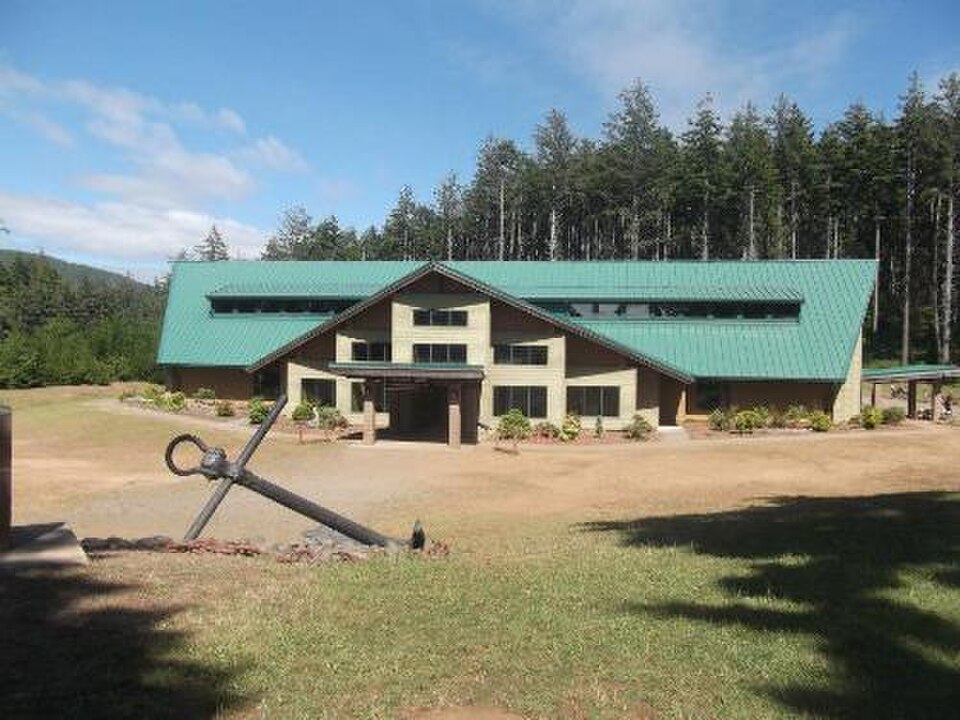
In 2004, the camp unveiled a $4.5 million dining hall and a 700-seat campfire bowl built with a $100,000 donation from businessman and camp supporter Douglas McIver. That same year, a one-quarter scale replica of Fort Clatsop was built as a memorial to teenaged staffer Christopher Ray Kroker, who was fatally injured by an improperly loaded ceremonial cannon.
-
![]()
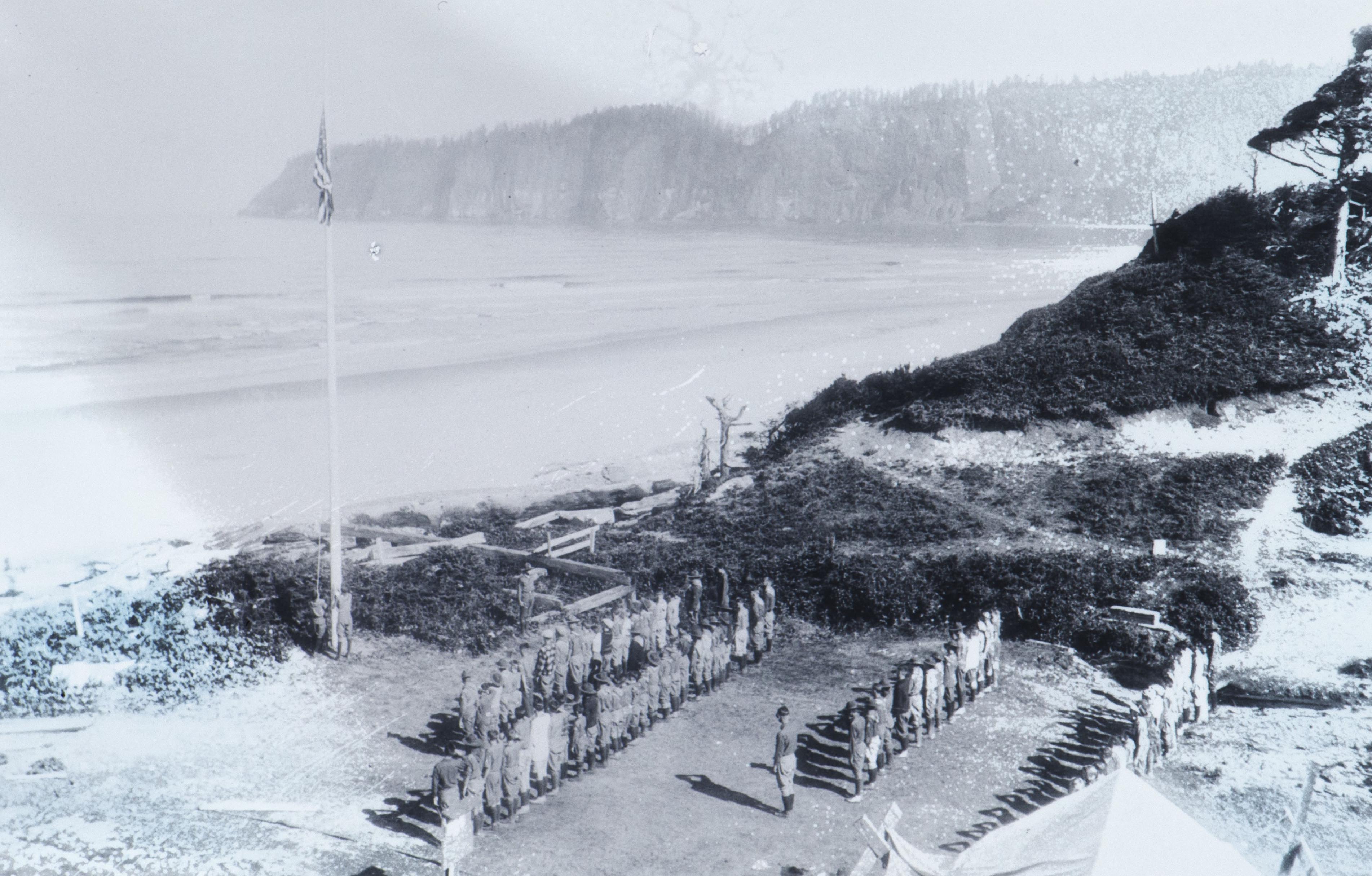
Boy Scouts saluting flag at Camp Meriwether.
Courtesy Angelus Studio photographs, 1880s-1940s, University of Oregon. "PH037_b207_Z01668" Oregon Digital -
![]()
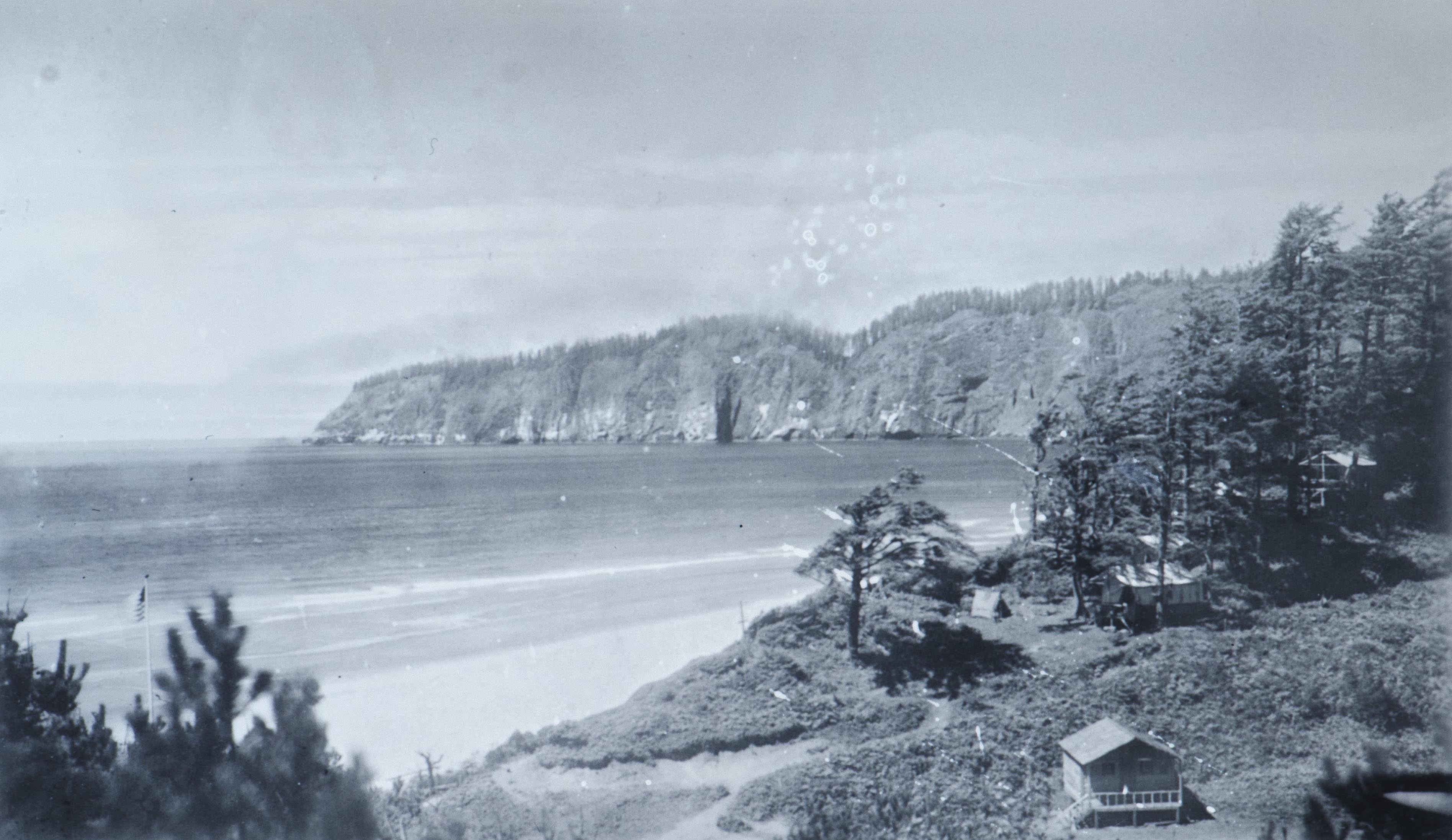
Boy Scout Camp at Camp Meriwether.
Courtesy Angelus Studio photographs, 1880s-1940s, University of Oregon. "PH037_b207_Z01669" Oregon Digital -
![Ben Maxwell, photographer.]()
Wreckage from "Struan" at Camp Meriwether, 1960.
Ben Maxwell, photographer. Courtesy City of Salem, Oregon, Oregon Historic Photograph Collections, Salem Public Library, 3281 -
![]()
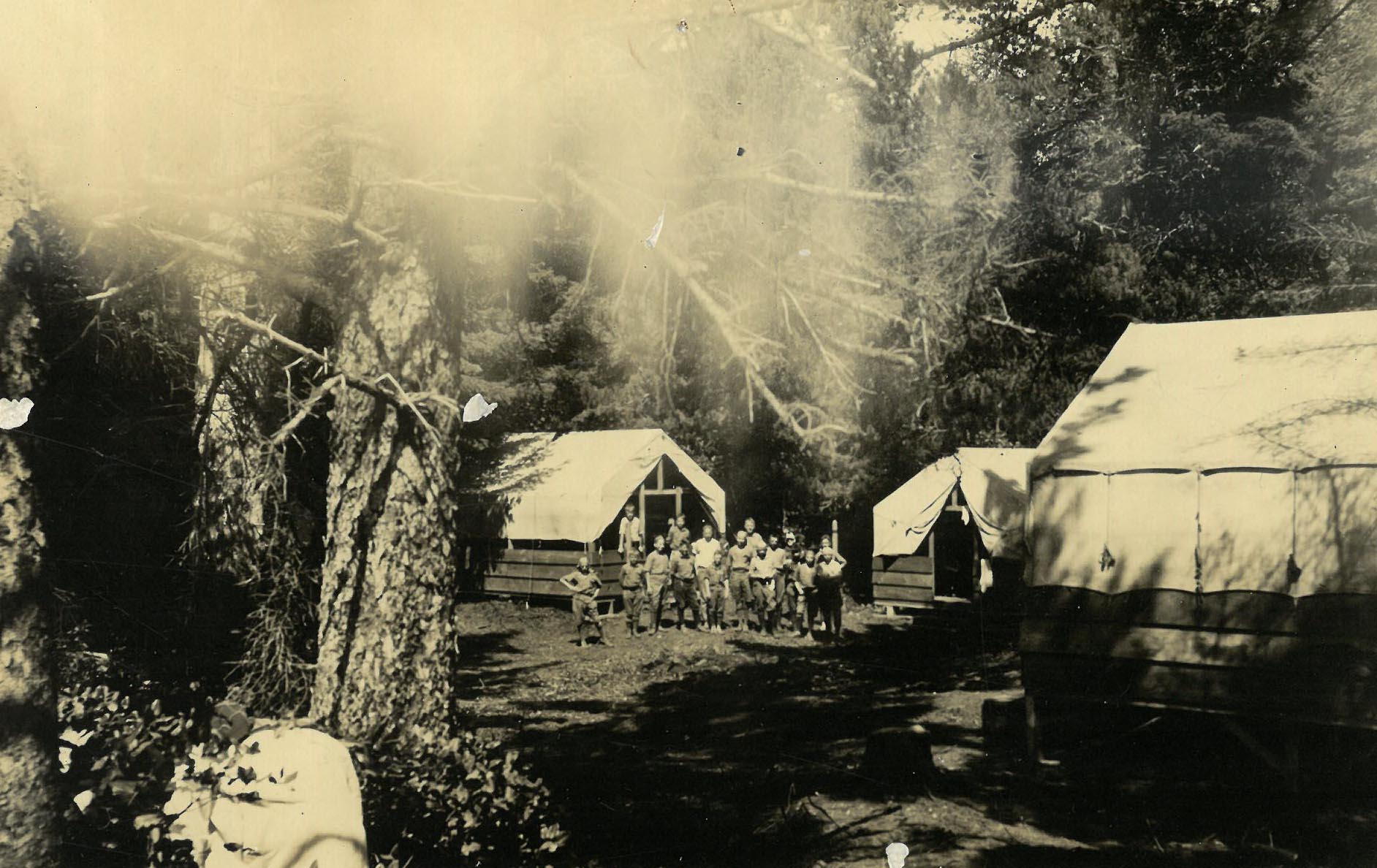
Lookout Troop Unit at Camp Meriwether.
Oregon Historical Society Research Library, Neg No. 65256, Photo File #159
-
![]()
Discovery Lodge, Camp Meriwether, February 4, 2014.
Courtesy Jacob Mehringer, Wikimedia Commons -
![]()
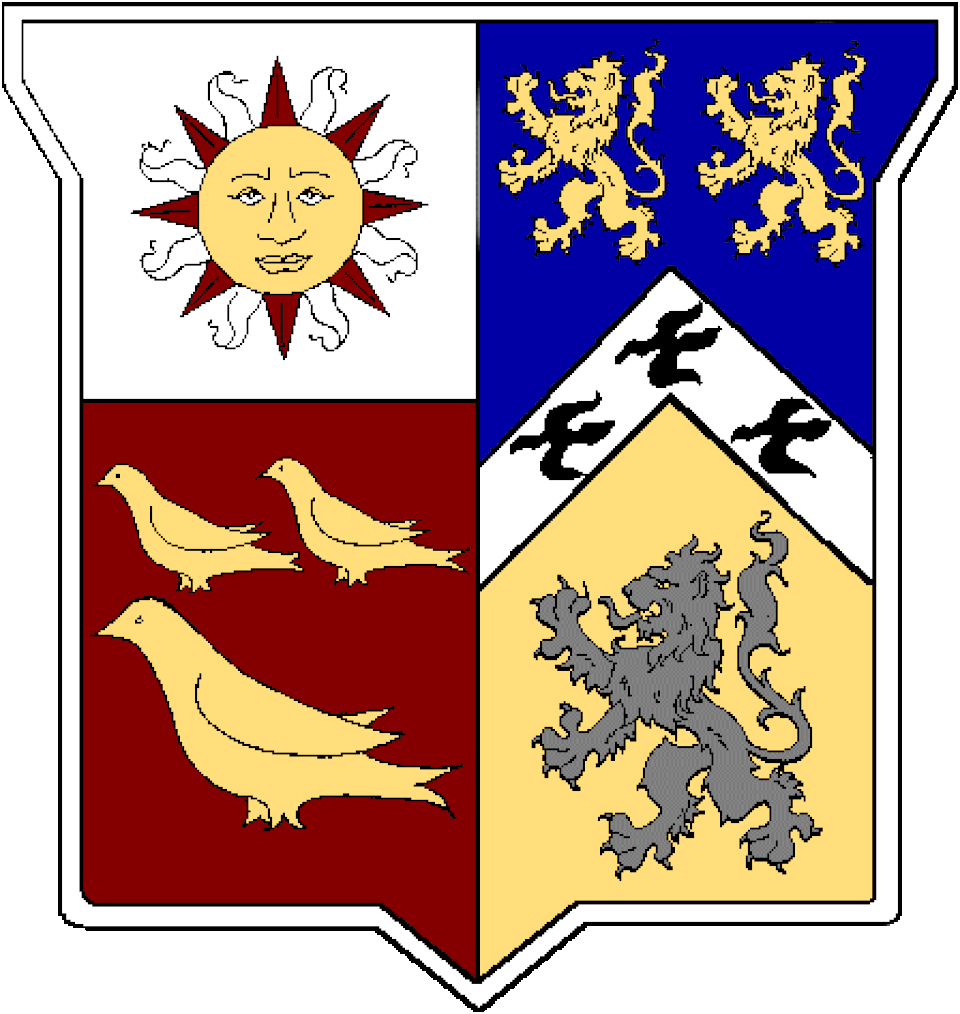
Camp Meriwether Crest.
Courtesy Wikimedia Commons -
![]()
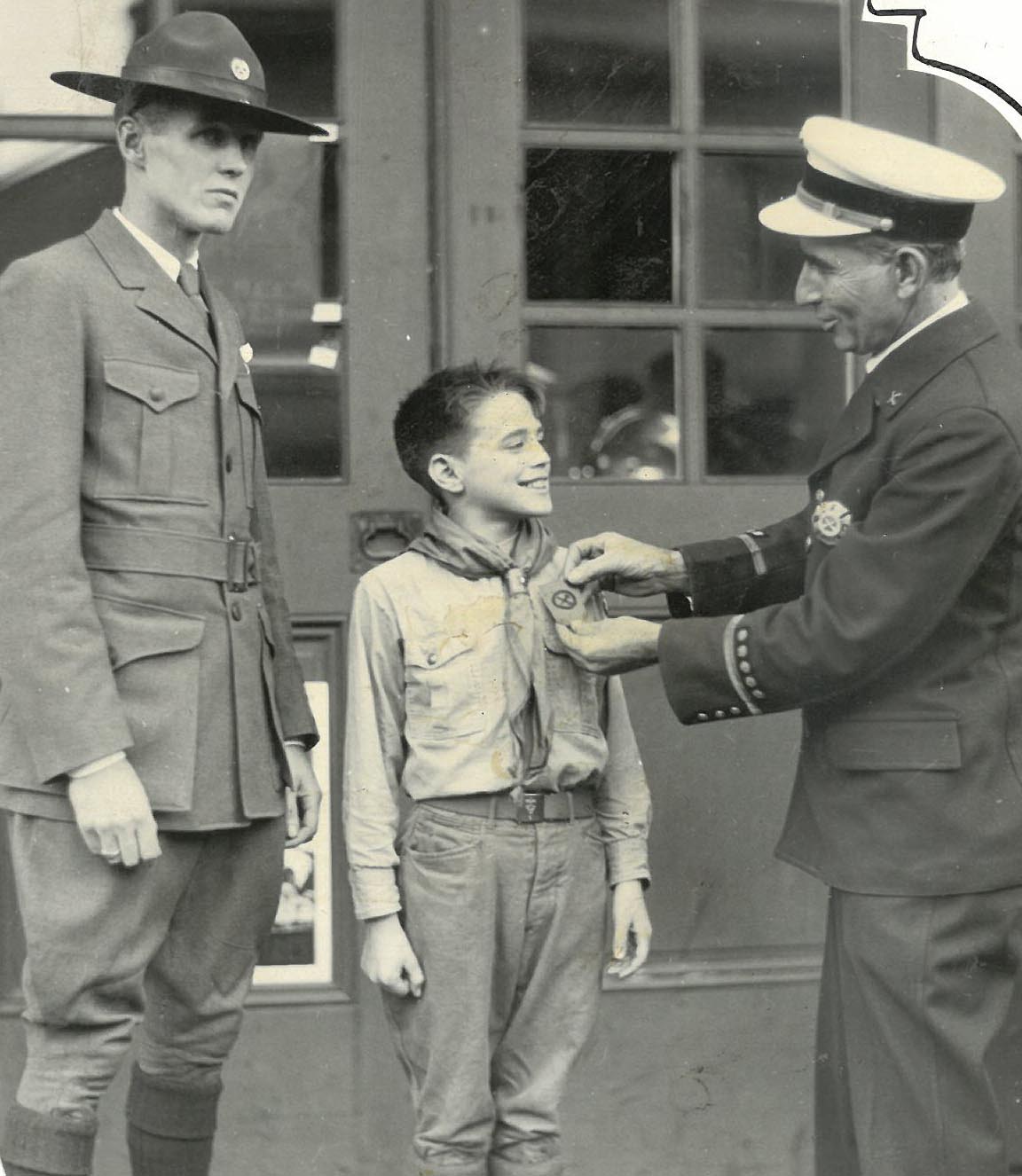
Boy Scout Bud Hyde receives a merit bade from Fire Marshal Fred W. Roberts. G. H. Oberteuffer, Scout Executive, stands on the left, Oct. 1928.
Oregon Historical Society Research Library, Photo File #159
-
![]()
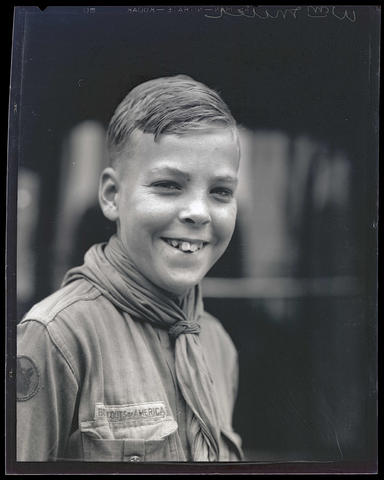
William Miler?, Boy Scout, c.1923-1936.
Oregon Historical Society Research Library, Digital Collections, Oregon Journal Negative Collection; Org. Lot 1368; Box 371; 0371N1743 -
![This photo was posted in an Oregonian article on Feb. 8, 2010.]()
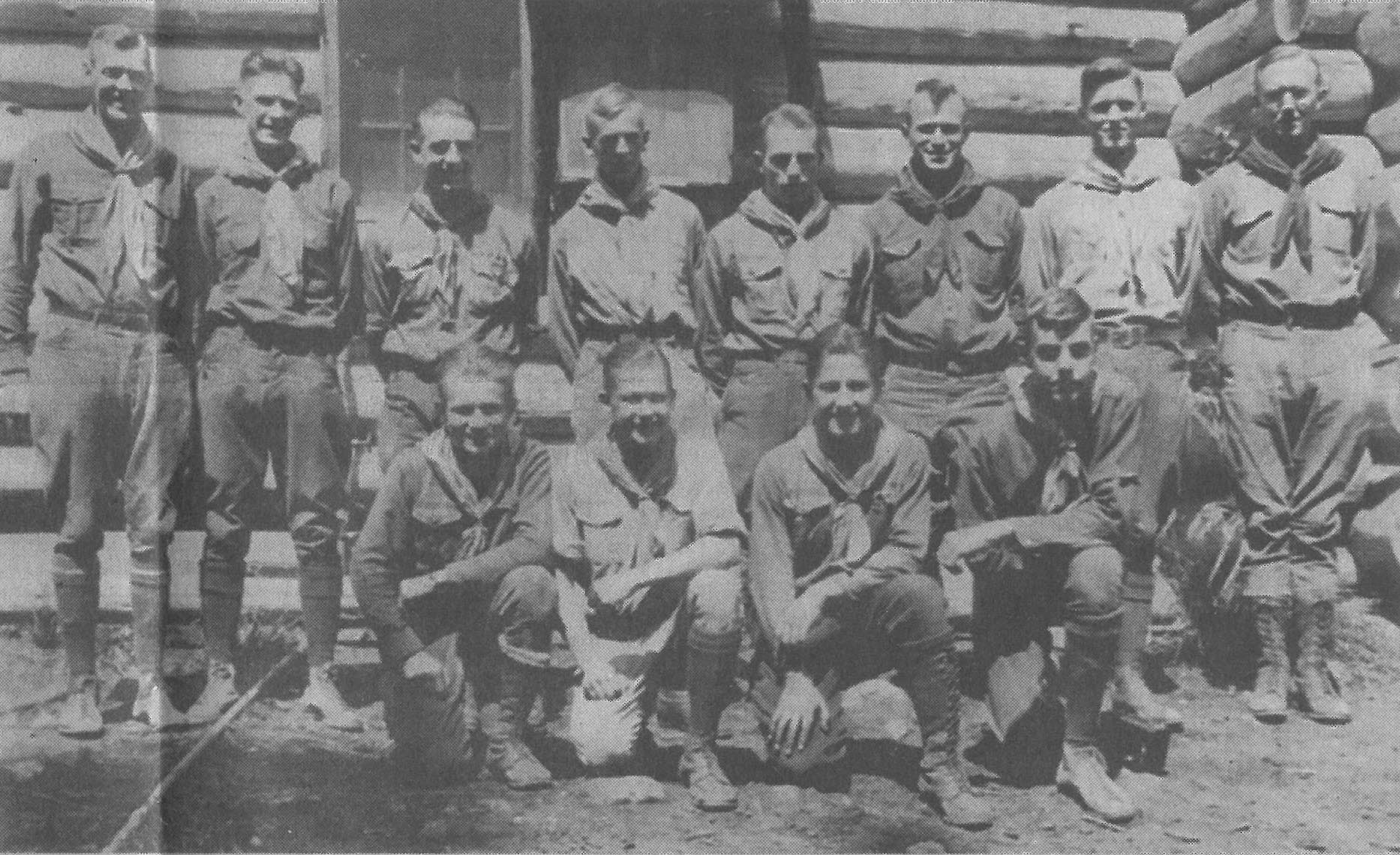
First staff at Camp Meriwether on the Oregon coast south of Cape Lookout, 1926.
This photo was posted in an Oregonian article on Feb. 8, 2010. Courtesy Boy Scouts of America and The Oregonian
-
![This photo was posted in an Oregonian article on July 18, 1986, B1.]()
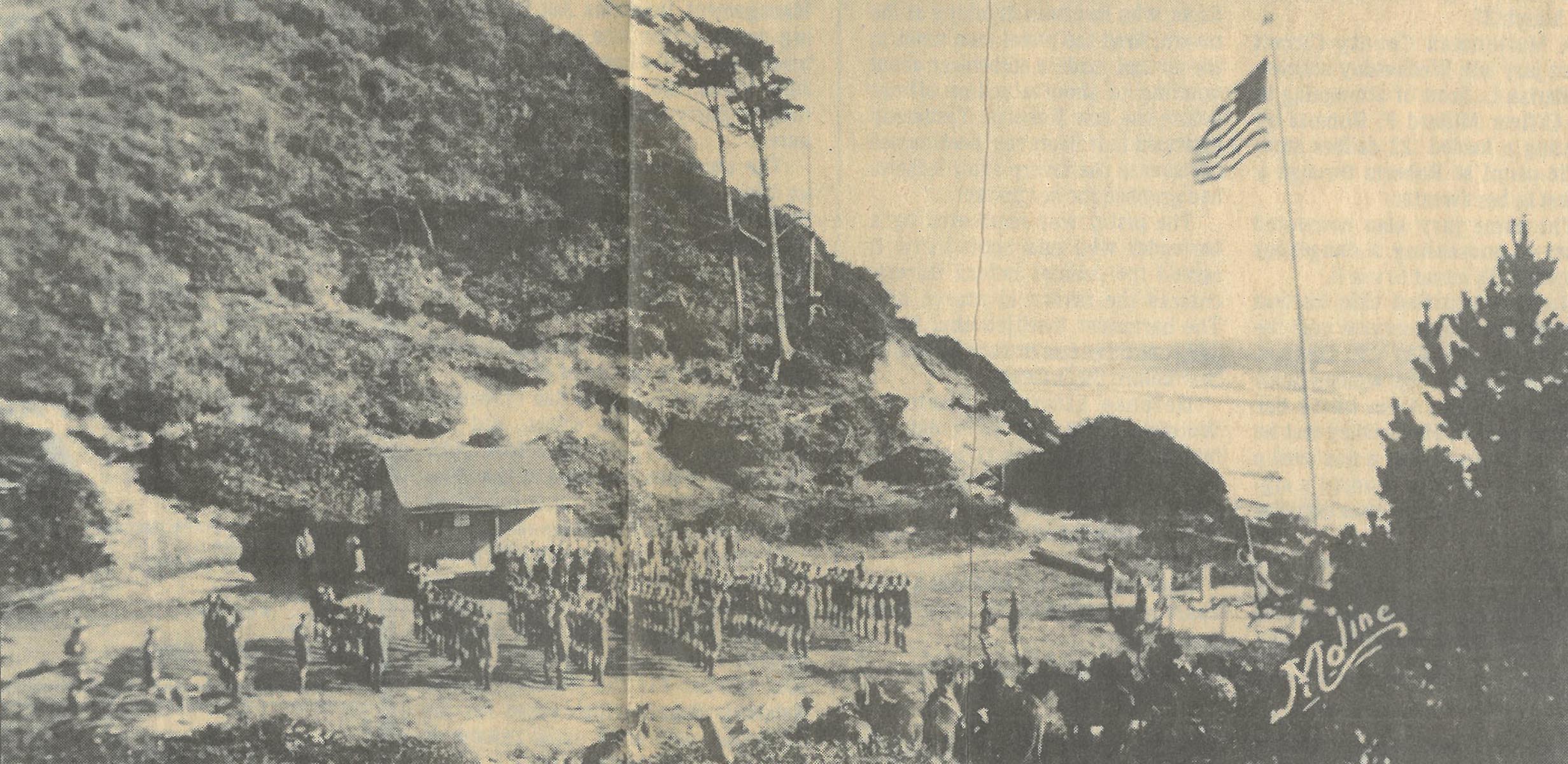
Early day Scouts fall into line for a morning flag ceremony at Camp Meriwether.
This photo was posted in an Oregonian article on July 18, 1986, B1. Courtesy The Oregonian
-
![This photo was posted in an Oregon Journal article on August 6, 1976.]()
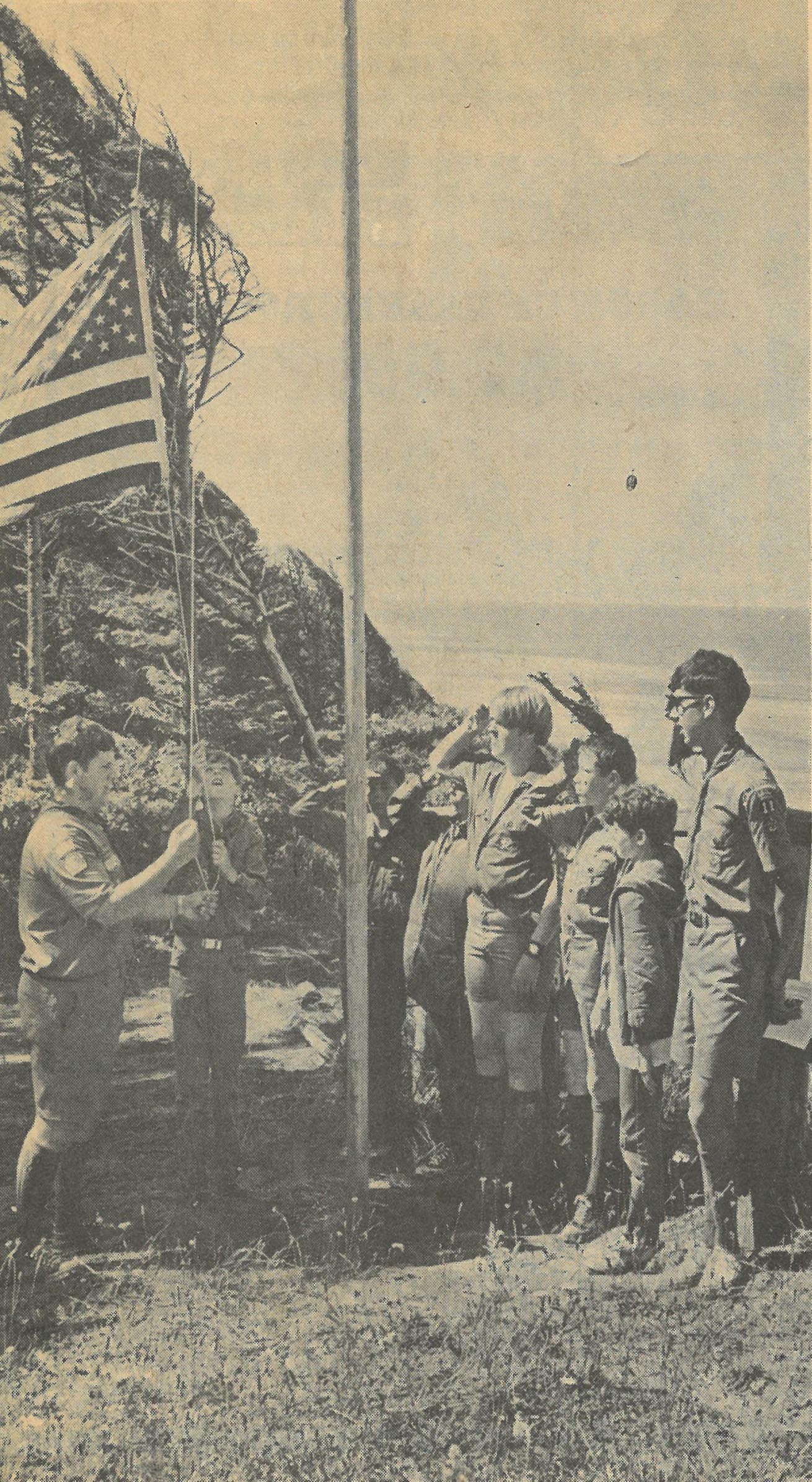
Portland Scouts hoist colors at Camp Meriwether, 1976.
This photo was posted in an Oregon Journal article on August 6, 1976. Courtesy The Oregon Journal
Related Entries
-
![Cape Lookout]()
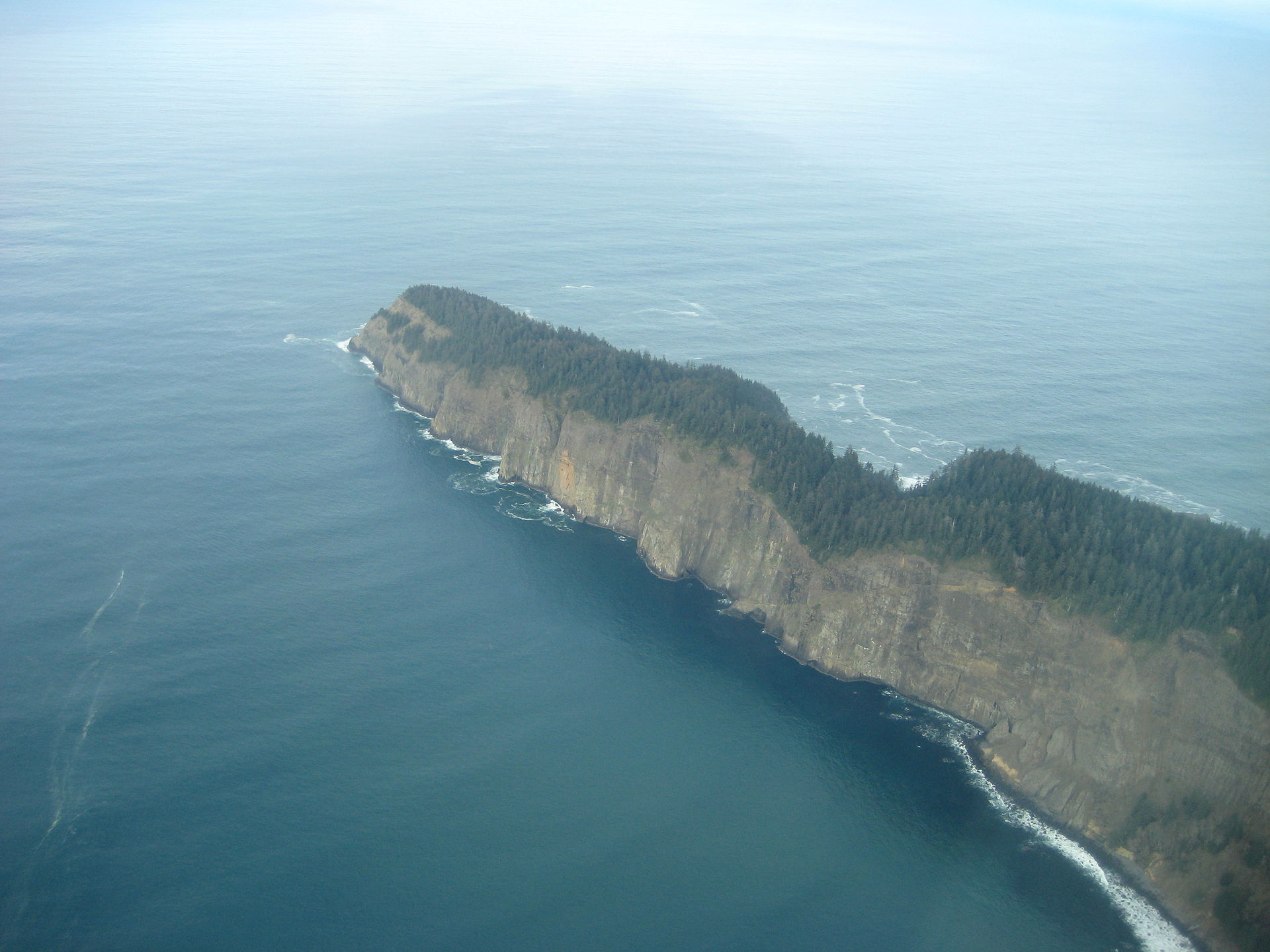
Cape Lookout
Cape Lookout, one of the most prominent landmarks on the Oregon Coast, …
-
![Coast Indian Reservation]()
Coast Indian Reservation
Beginning in 1853, Superintendent of Indian Affairs Joel Palmer negotia…
-
![Lewis and Clark Expedition]()
Lewis and Clark Expedition
The Expedition No exploration of the Oregon Country has greater histor…
-
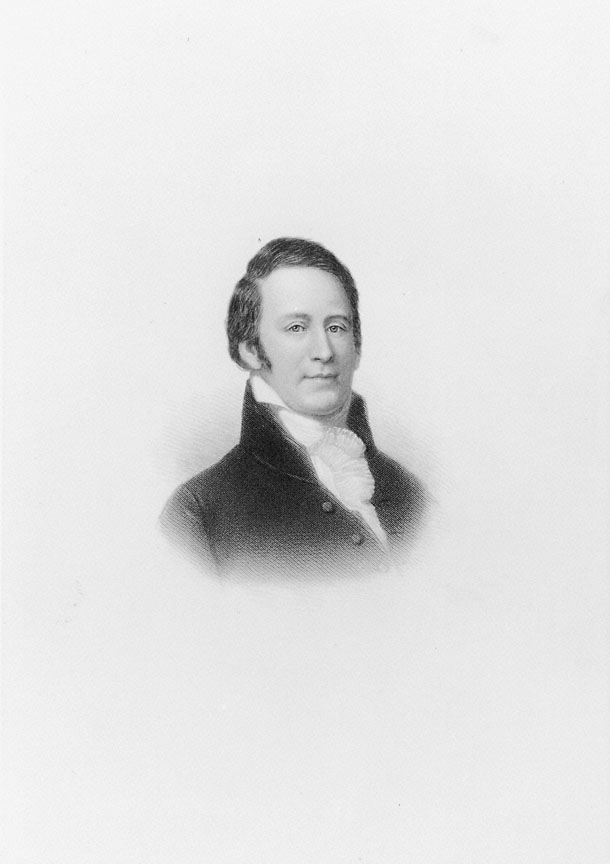
![Meriwether Lewis (1774-1809)]()
Meriwether Lewis (1774-1809)
Reflecting on Meriwether Lewis after his death, Thomas Jefferson bemoan…
-
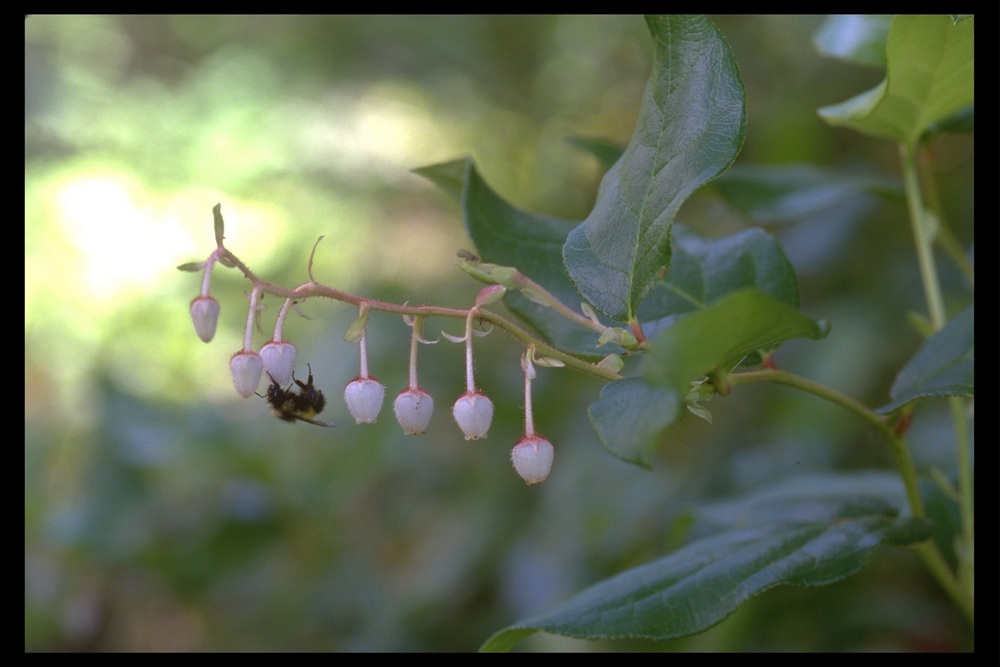
![Salal]()
Salal
Both Meriwether Lewis and William Clark wrote about salal (Gaultheria s…
-
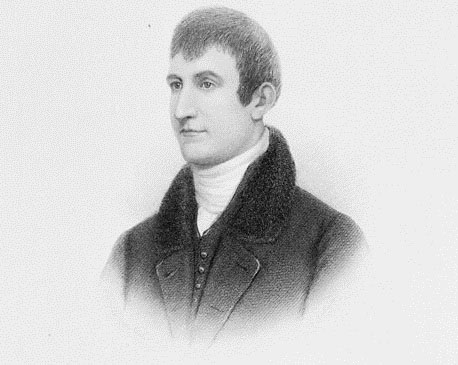
![William Clark (1770-1838)]()
William Clark (1770-1838)
William Clark is indelibly connected to Oregon in many ways, some obvio…
.jpg)

Map This on the Oregon History WayFinder
The Oregon History Wayfinder is an interactive map that identifies significant places, people, and events in Oregon history.
Further Reading
Wells, Kenneth. An Early History of Camp Meriwether. Portland, Ore.: Columbia Pacific Council, 1986.
“Reservation Maps.” Confederated Tribes of Siletz Indians.
"Council History." Cascade Pacific Council, Scouting America.
"Wreck of The Struan: She Went Ashore Near Cape Lookout in a Gale." Portland Oregonian, January 13, 1891, p. 9.
Bryant, Louise. "Vigorous Nature-Loving Being Evolved by ‘Boy Scouts.’" Portland Sunday Oregonian, April 16, 1911, p. 68.
Brockway, James E. "Ideals and Purposes of Boy Scouts Given." Portland Sunday Oregonian, October 10, 1915, p. 43.
"Business Men Form Committee of 15 To Handle Boy Scouts." Portland Oregon Daily Journal, July 20, 1916, p. 18.
"Boy Scouts Will Build Barracks at Mt. Chinidere." Portland Oregon Daily Journal, June 2, 1918, p. 21.
"Portland's Scouts Receive Camp Site: 500-Acre Gift On Coast Announced at Dinner." Portland Oregonian, April 15, 1926, p. 1.
"Boy Scouts’ Summer Beach Camp Opens, 115 Attending; 10 Officers Have Charge." Portland Sunday Oregonian, June 27, 1926, p. 63.
Johnson, Walter. "Astoria Scout Master Tells of Activities in Camp Meriwether." The Daily Astorian, August 13, 1931, p. 5.
"Sea Scouting." Portland Oregon Daily Journal, January 17, 1932, p. 31.
Maxwell, Ben. "1890 Norwegian Ship Disaster Relics Fascinate at Isolated Scout Camp." Portland Sunday Oregonian, July 31, 1960, p. 30.
Crick, Rolla J. "Near Cape Lookout: Camp Meriwether Notes 50th Year." Portland Oregon Journal, August 6, 1976, p. 17.
Donelson, Anne. "Memorial Honors 'Chief Obie.'" Portland Oregon Journal, November 8, 1980, p. 3.
"'Chief Obie' dies." Portland Oregon Journal, August 27, 1980, p. 10.
Roberts Murez, Cara. "Cannon victim dies of injuries." Salem Statesman Journal, August 6, 2003, p. 19.