


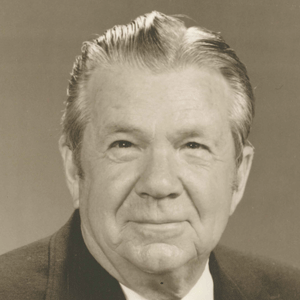
Loran LaSells “Stub” Stewart bought Bohemia Lumber Company in 1946 for around $266,000. When he retired in 1976, the company’s sales were worth $200 million. Stewart was a leader in forest products innovations, a philanthropist, and a state legislator. He served what is now the Oregon Parks and Recreation Commission for nearly forty years, half of which he spent as chair.
Stub Stewart was born on January 10, 1911, in Cottage Grove and grew up in nearby Rujada, a logging camp in the Row River valley. Stewart’s father, LaSells, was the logging boss for and part owner of Bohemia, Inc., headquartered in Culp Creek. His mother, Jessie Hills Stewart, was from a logging family in Jasper, Oregon. Neither parent had more than an eighth-grade education, but both parents were “real strong” on education for their three children, Dorothy, Stub, and Faye. Stewart’s early schooling took place in a one-room schoolhouse in Rujada, where the moniker “Stub” was conferred on him, always the smallest boy in his class. The nickname lasted throughout his life, usually without resentment on his part.
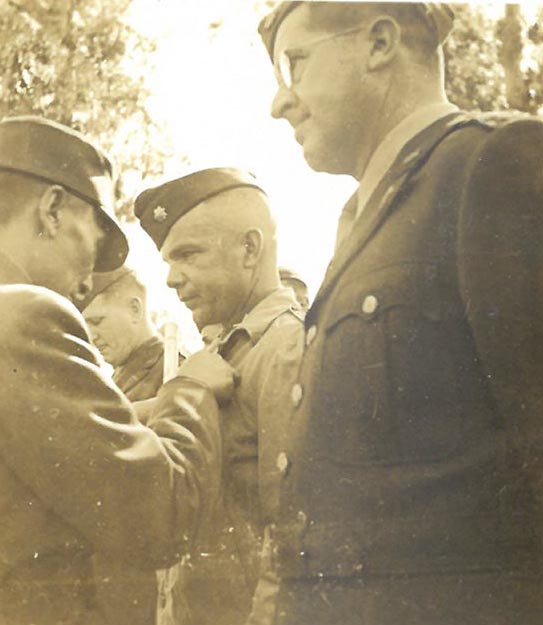
Stewart graduated from Oregon State Agricultural College (now Oregon State University) in 1932 with a degree in Forestry Engineering with a focus on logging and went to work for the U.S. Forest Service as a road locator and timber cruiser in various national forests in Oregon. He married Dorothy McDonald in 1936; they had two sons. In World War II, the Army stationed Stewart in China as a field artillery instructor. Stewart left the armed forces as a lieutenant colonel, having earned a Bronze Star and a Grand Star of China, the highest Chinese award to a foreigner.
After the war, Stewart worked for Pope & Talbot Lumber until he heard that his father was planning to sell his half-interest in the Bohemia Lumber Co. Stewart persuaded his brother, Faye, and his brother-in-law, Larry Chapman, to join him in securing a loan to purchase the entire company in 1946. As president of Bohemia, Stewart led the company to innovations in safety, sustainability, and new forest products. “We were always on the make for something new,” Stewart recollected. He visualized the big picture and overflowed with ideas. Shortly after the war, for example, Bohemia adopted portable radio communications technology used by GIs during the war for log trucks to speed assistance to injured workers or to marshal forces to a fire. His crews made use of portable spar poles, introduced in 1954, to dispense with the need to place logging operations around spar trees on otherwise unsuitable terrain. Balloon logging, which uses large helium balloons to lift logs from the forest floor to the yarding area, was a particular interest of Faye Stewart, and he introduced that technology to Bohemia in 1964. Also known as aerial logging, the technique helped limit soil erosion, log breakage, and the need for additional forest road construction.
In a continuing effort toward “utilizing everything in the tree,” Bohemia pioneered new technology and forged useful partnerships during the 1960s and 1970s. The company worked with Weyerhaeuser to chip wood waste from Bohemia’s forest operations to feed Weyerhaeuser’s paper mill and used cull logs (otherwise burned as slash) from Pope & Talbot’s operations for its veneer plant. Bohemia developed and marketed particleboard (developed by chemist Frank Trocino) and glue-laminated wooden beams; helped develop laser technology to measure and automatically adjust mill saws for smaller timber; and investigated cork and glue made from tree bark.
Bohemia had more variable success when it diversified in the 1970s and 1980s during a period of unpredictability in the timber industry. The company’s enterprises included modular home construction, land development, marine construction, a tourist railroad in the Row River valley, a restaurant in Hawai’i, a golf club, an oceangoing tugboat service, and some dabbling in gold mining and dam building.
In 1950, Stewart was recruited by the Republican Party to run for the Oregon House, representing all of Lane County. He served in that position until he lost his race for re-election in 1956. As a legislator, Stewart raised the rate of the timber severance tax (a tax on cut timber) and dedicated the additional revenue to forest firefighting and forestry research. His stint in the legislature made him “much more of a public man” and introduced him to Oregon’s political and academic leaders, eventually leading to his forty years’ service on the Oregon State Parks Advisory Committee—now Oregon Parks and Recreation Commission (OPRC)—including over twenty years as chair. L. L “Stub” Stewart State Park in Washington County, west of Portland, was dedicated in 2007 and named for “Mr. Oregon State Parks,” the longest-serving advisory member. At the dedication, Stewart was “remembered for his push to bring more women on as voting members and his relentless respect for the bottom line.”
Stewart’s tenure on the Parks Commission dovetailed with Governor Tom McCall’s effort to keep Oregon’s beaches public. Although many Republican legislators, many of them Stewart’s friends, wished to develop the beaches, Stewart proposed a way—based on his Forest Service career—to include the common-law doctrine of adverse possession in the 1967 Beach Bill. That legal theory, which referred to the longtime use of private beaches by the public, was “central to the state’s defense against litigation that the beachfront developers mounted in seven separate suits.”
Stewart also served on the boards of many civic and community organizations, including the State Board of Higher Education; the OSU Foundation in Corvallis; the Sacred Heart Medical Center Foundation in Eugene; The World Forestry Center in Portland; and the Oregon Coast Aquarium in Newport. Like his parents, Stub Stewart was “real strong” on education. He donated over $2 million to OSU projects, including forestry, gene and marine mammal research, and faculty awards. Stewart and his siblings made a substantial donation toward a performing arts facility on the OSU campus named to honor their parents, LaSells and Jessie Hills Stewart.
Stewart retired in 1976 but remained the majority stockholder of Bohemia, Inc. By 1991, the company had thirteen mills, more than 2,000 workers, and sales of $350 million. Stewart was then 80 years old, and the forest industry had changed dramatically due to economic changes and the effects of environmental laws. Bohemia sold its California holdings that year to Sierra Pacific Industries and its Oregon assets to Willamette Industries, Inc. The total value of the deal was $122.4 million. The sale was “based largely on the company's realization that it [would not] have enough timber to operate all its mills,'' said Stewart.
Stewart died in Eugene at age ninety-three in 2005. Former U.S. Sen. Mark Hatfield, who sat near Stewart when the two were state legislators, said, “I don’t have a place to start or stop listing his contributions.”
-
![]()
Loran LaSells Stewart.
Courtesy Oregon State Capitol Foundation -
![]()
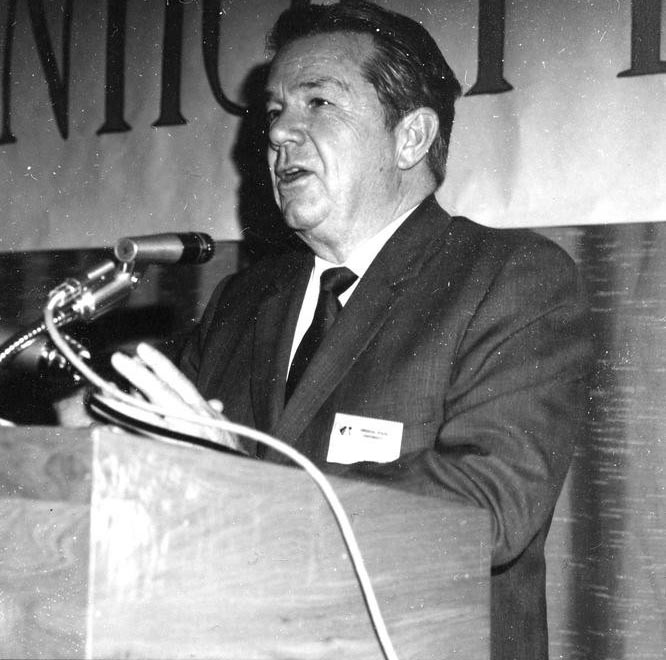
Loran L. "Stub" Stewart speaking at the Fernhopper's 40th Annual Banquet.
Courtesy Historical Images of Oregon State University, Oregon State University. "Stub Stewart" Oregon Digital -
![]()
Major Loran L. Stewart receiving Grand Star of Honor from Chinese Combat Command, April 1945.
Oregon Historical Society Research Library, Loran L. Stewart photographic collection, Org. Lot 400, Folder 3
-
![]()
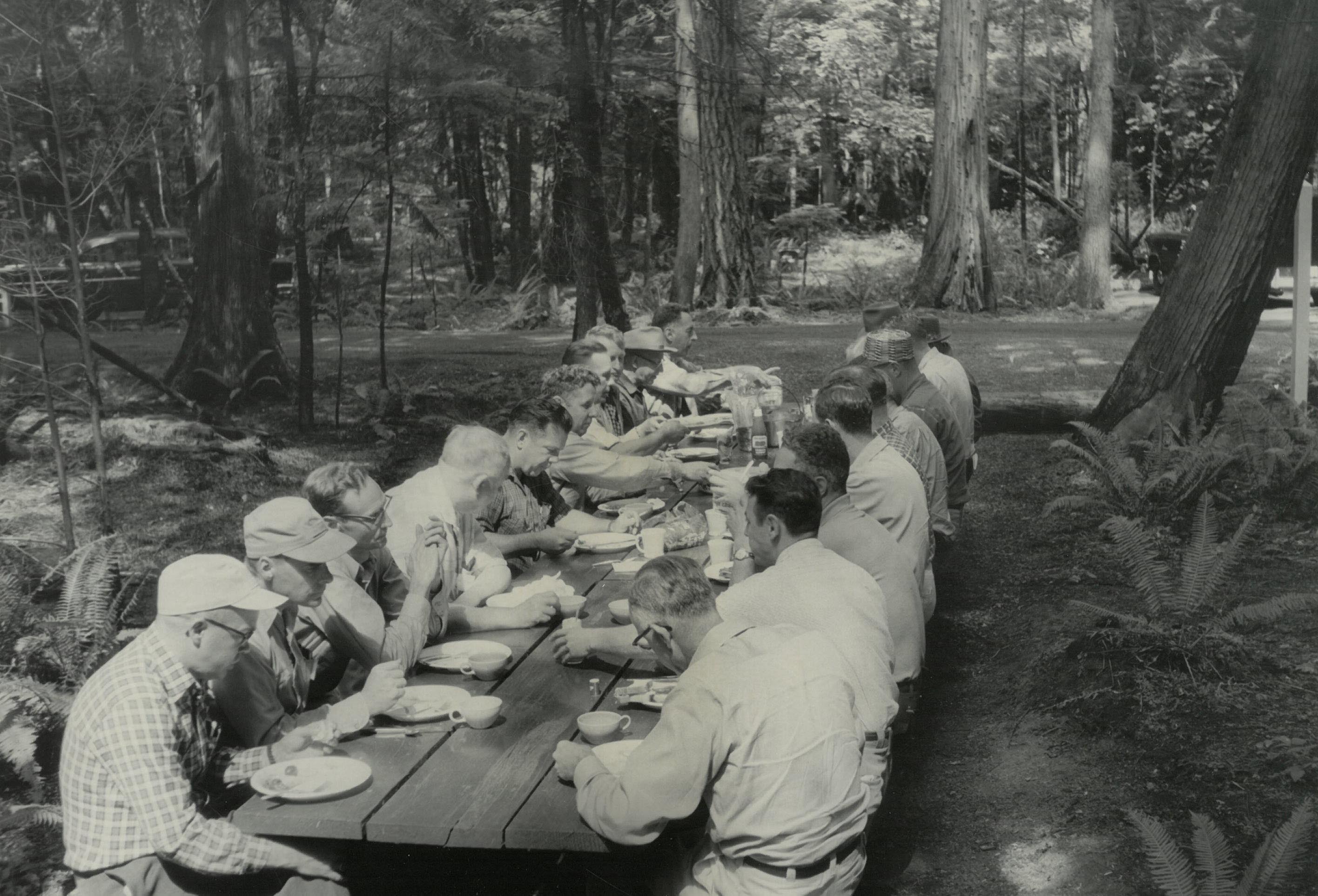
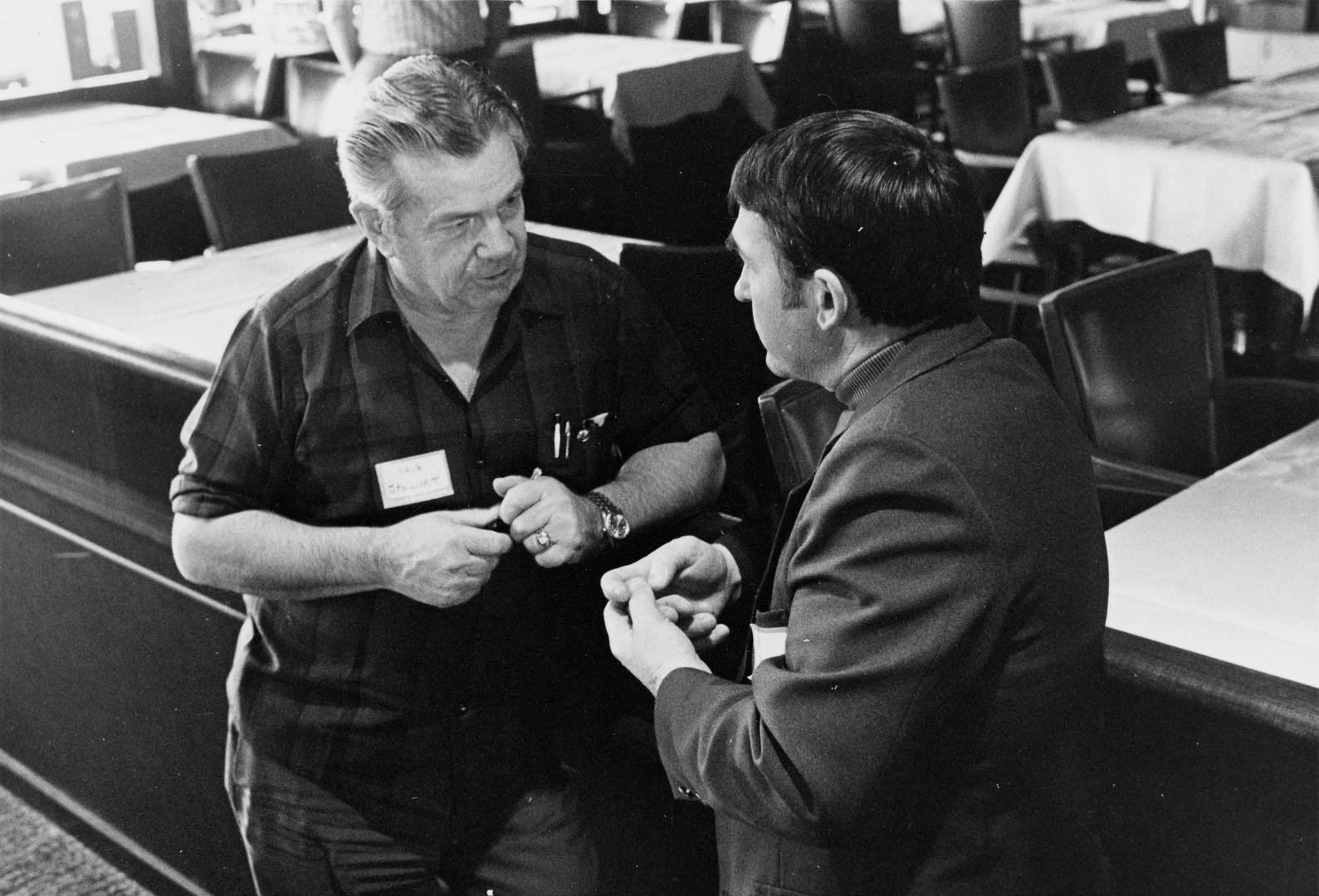
Stub Stewart (center left in dark shirt) at the O & C Advisory Board field trip at Susan Creek State Park, September 9, 1958.
Oregon Historical Society Research Library, Loran L. Stewart photographic collection, Org. Lot 400, Folder 3
-
![]()
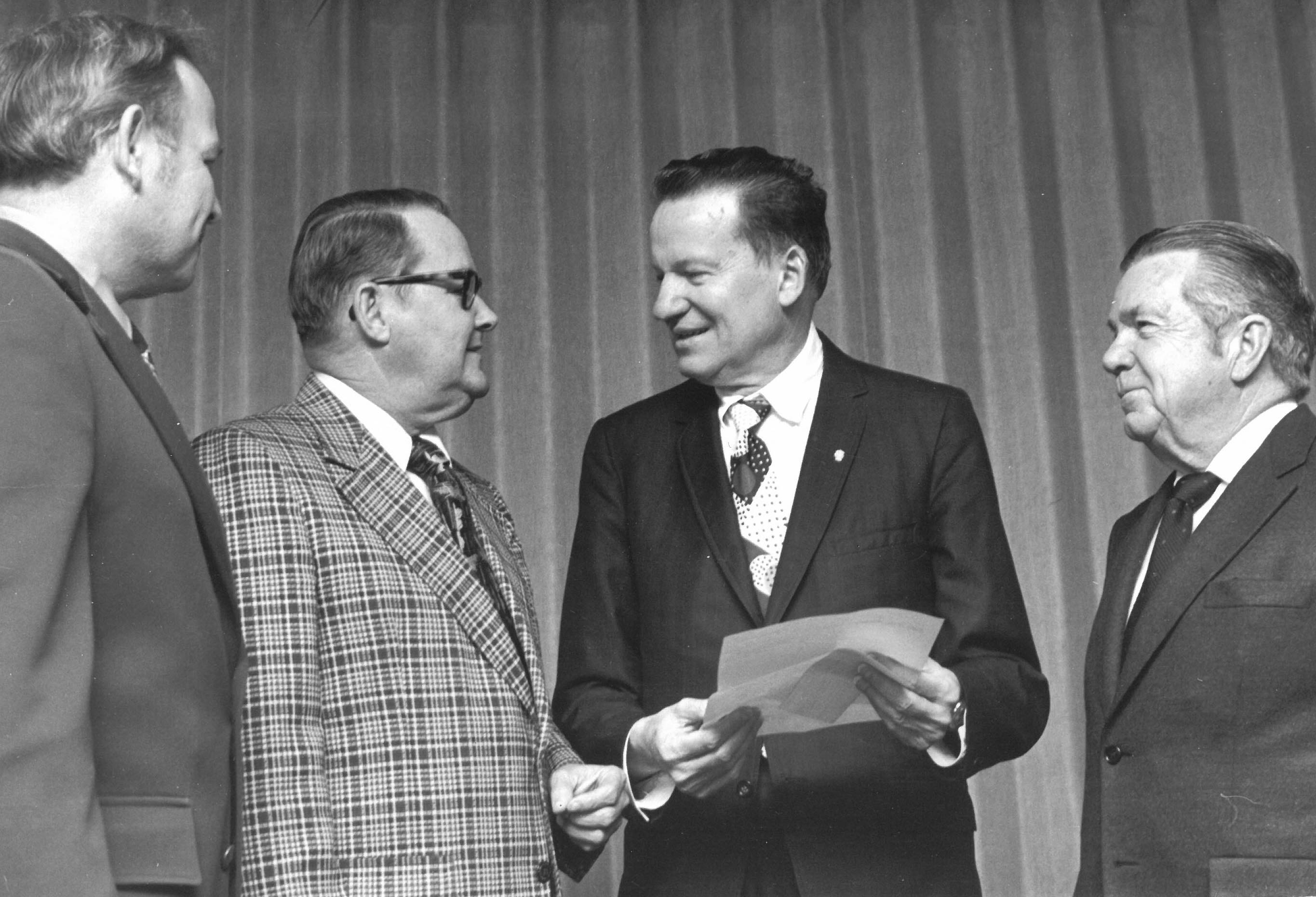
L.L. "Stub" Stewart (on left), 1976.
Courtesy Historical Images of Oregon State University, Oregon State University. "L. L. "Stub" Stewart" Oregon Digital -
![]()
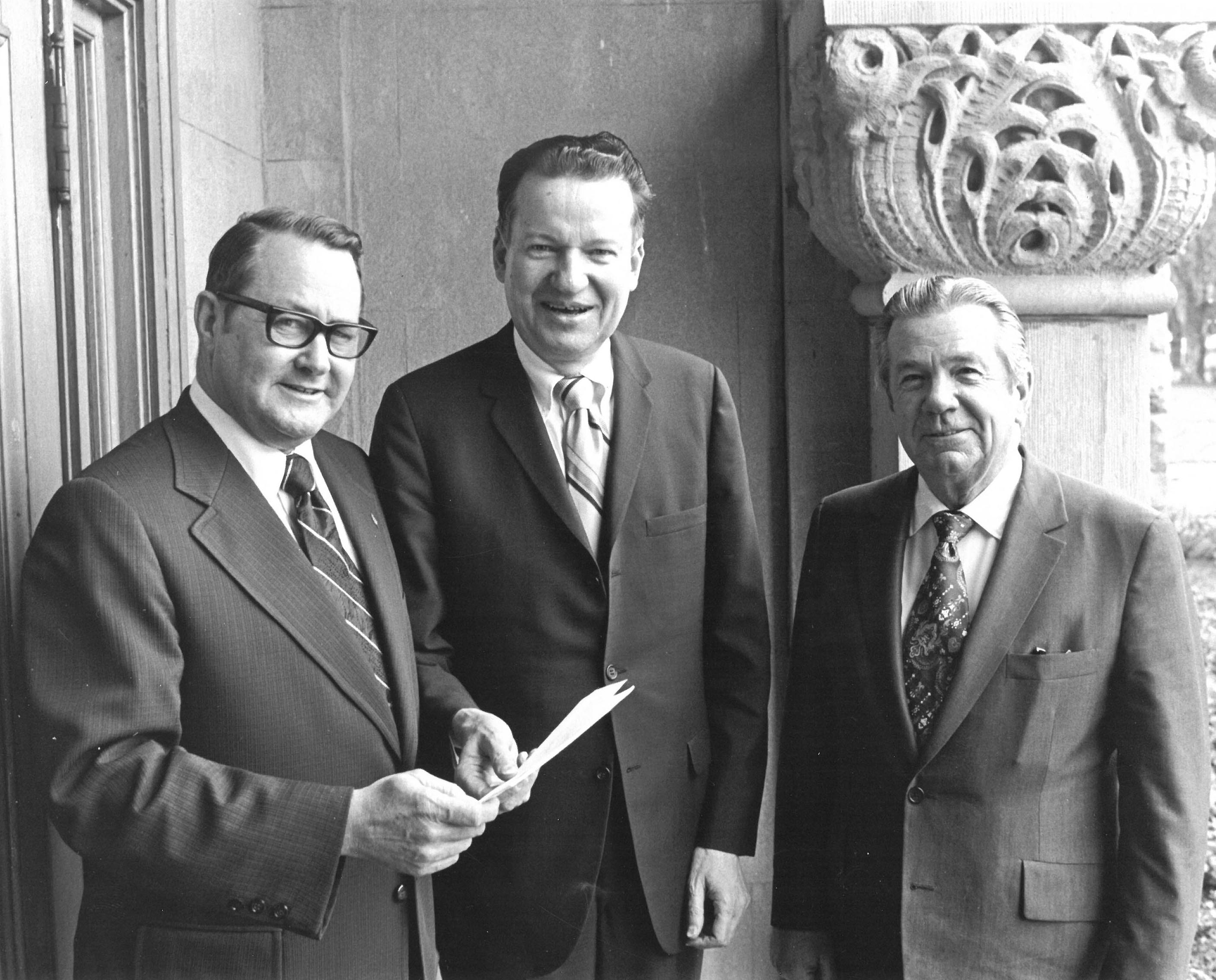
Stub Stewart (right) poses with a group.
Oregon Historical Society Research Library, Loran L. Stewart photographic collection, Org. Lot 400, Folder 5
-
![The money is for the annual research scholarship for a student studying wildlife at OSU.]()
Stub Stewart (right) and Frank Gilchist, members of the Order of Antelope, present a $1,330 check to OSU president Robert MacVicar.
The money is for the annual research scholarship for a student studying wildlife at OSU. Oregon Historical Society Research Library, Loran L. Stewart photographic collection, Org. Lot 400, Folder 4
-
![]()
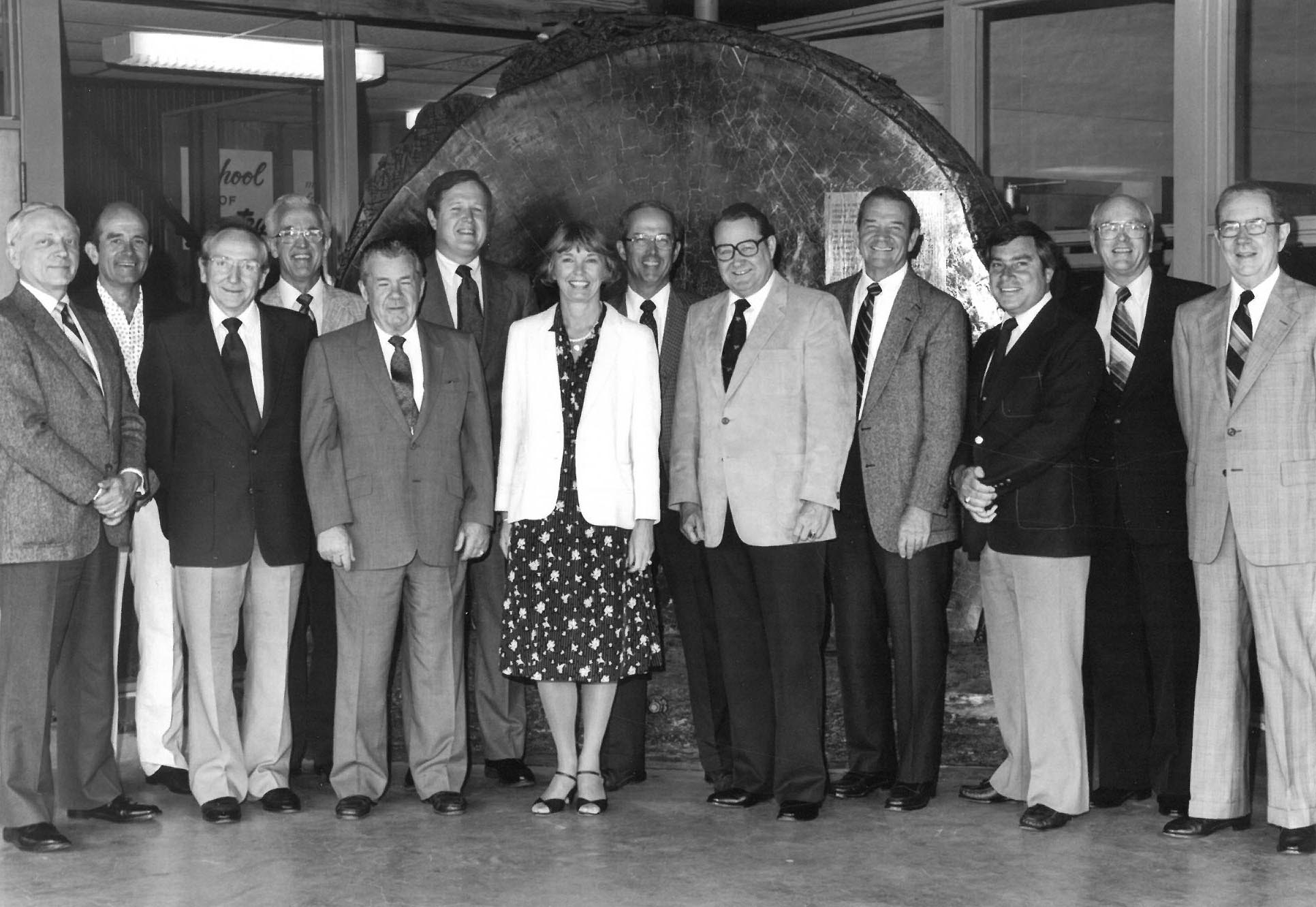
Stub Stewart (3rd from the left in front) at the Forest Research Lab, Oregon State University, 1981.
Oregon Historical Society Research Library, Loran L. Stewart photographic collection, Org. Lot 400, Folder 4
Related Entries
-
![C.A. Smith Lumber Company]()
C.A. Smith Lumber Company
Charles Axel Smith became, for a time, one of Oregon's most powerful lu…
-
![Hull-Oakes Lumber Company and mill]()
Hull-Oakes Lumber Company and mill
The historic steam-powered sawmill complex of the Hull-Oakes Lumber Com…
-
![Oregon-American Lumber Company]()
Oregon-American Lumber Company
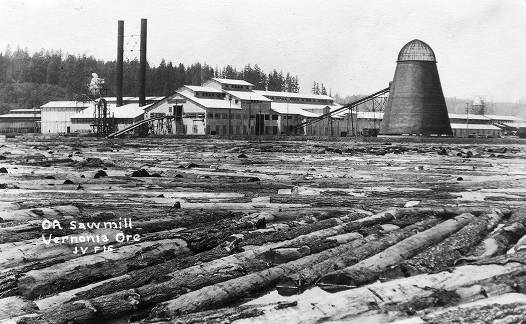
The Oregon-American Lumber Company (1917-1934) and its successors—the O…
-
![Oregon Beach Bill]()
Oregon Beach Bill
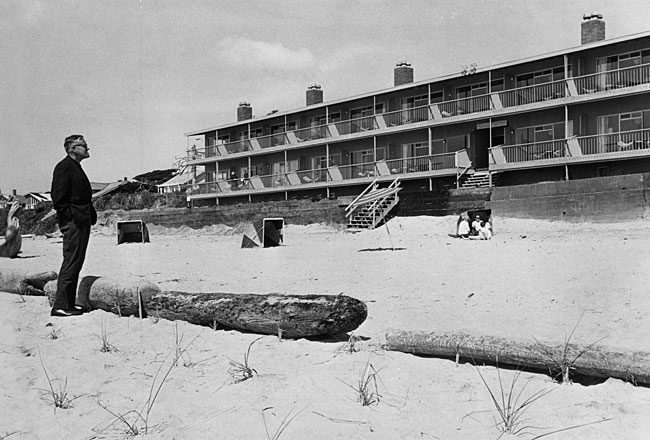
Oregonians struggling to maintain public access to Pacific Ocean beache…
-
![Oregon State University]()
Oregon State University
Oregon State University (OSU) traces its roots to 1856, when Corvallis …
-
![Roseburg Forest Products]()
Roseburg Forest Products
Founded by Kenneth Ford in 1936, Roseburg Lumber Company began as a saw…
-
![Timber Industry]()
Timber Industry
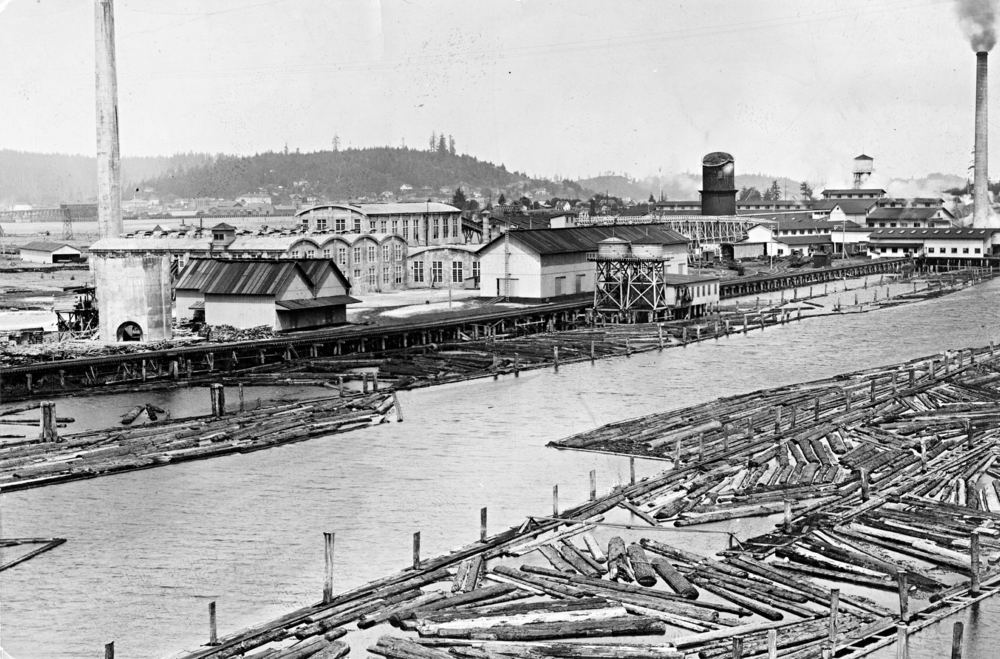
Since the 1880s, long before the mythical Paul Bunyan roamed the Northw…
-
![Willamette Industries]()
Willamette Industries
At its peak in the 1990s, Willamette Industries owned or managed 1.7 mi…
Related Historical Records
Map This on the Oregon History WayFinder
The Oregon History Wayfinder is an interactive map that identifies significant places, people, and events in Oregon history.
Further Reading
Loran L. Stewart, interview by Clark Hansen, October 29, 1992, SR 1137, Oregon Historical Society Research Library, Portland.
Thoele, Michael. Bohemia: The Lives and Times of an Oregon Timber Venture. Portland: Oregon Historical Society Press, 1998.
"Loran L. Stewart." World Forestry Center, May 2003.
“Stub Stewart, logging magnate, dies.” DJC Oregon, January 7, 2005.
"Oregon legislature honors OSU alumnus L.L. 'Stub' Steward." Oregon State University, June 23, 2009.