


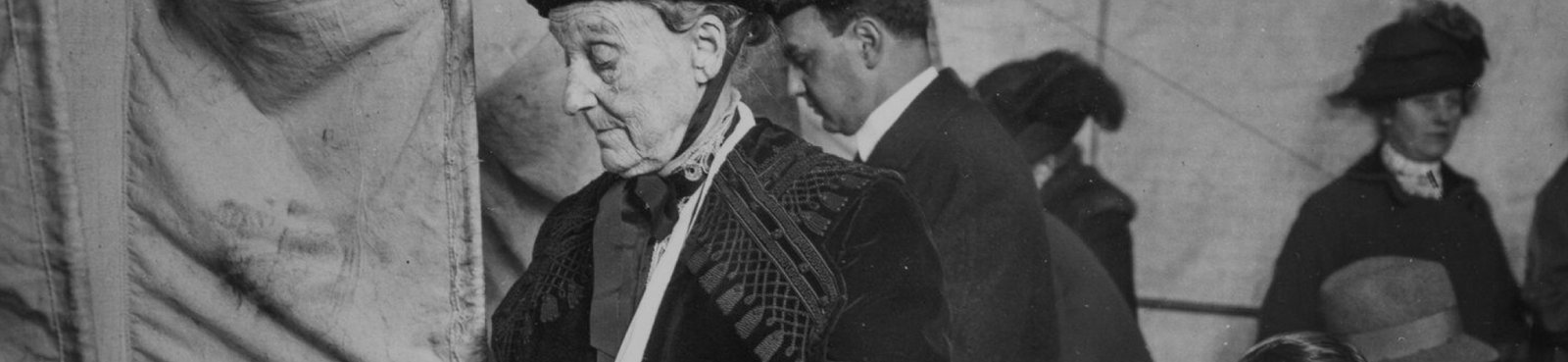
Woman Suffrage in Oregon
Women's Suffrage in Oregon
The campaign to achieve voting rights (also called suffrage or the franchise) for Oregon women from 1870 to 1912 is part of a broad and continuing movement at the regional, national, and international levels to secure equality and full citizenship for women. Oregon has the distinction of placing the question of votes for women on the ballot six times—in 1884, 1900, 1906, 1908, 1910, and 1912—more than any other state.
The national suffrage campaign spanned the years from the women’s rights convention held in July 1848 in Seneca Falls, New York, to the ratification of the 19th Amendment on August 26, 1920. Western states and territories saw most of the earliest victories for woman suffrage (Wyoming, 1869, 1890; Utah, 1870, lost 1887, regained 1896; Colorado, 1893; Idaho, 1896; Washington, 1883, lost 1887, regained 1910; California, 1911; Oregon and Arizona, 1912; Alaska Territory, 1913; Nevada, 1914). This was due in part to territorial and statehood politics and to the support of political groups such as the Populists and Progressives.
Oregon’s woman suffrage activities were tied to the regional and national movement: national and regional leaders visited Oregon to organize and support the work, and Oregon suffragists visited other states to assist them with campaigns. Yet, as with other measures, race and ethnicity were often barriers to the vote for Oregon women.
The history of the woman suffrage movement in Oregon falls into three distinct phases. The first phase, from 1870 to 1900, included early action, organization, and attempts to pass woman suffrage legislation in the state. The second phase included the use of the new Oregon System of initiative and referendum. From 1900 to 1912, a second generation of suffragists built successful coalitions and used modern techniques of mass advertising in the new consumer culture. In a final period, from 1912 to 1920, Oregon suffragists were a part of national suffrage organizations and politics that led to the ratification of the 19th Amendment.
Related Articles
-
![14th Amendment]()
14th Amendment
The Fourteenth Amendment to the U.S. Constitution declared that the fed…
-
Abigail Scott Duniway (1834-1915)
Outspoken and often controversial, Abigail Scott Duniway is remembered …
-
![Portland Women's Union]()
Portland Women's Union
The Portland Women’s Union was the first all-women volunteer organizati…
-
!["Sweet Baby" James Benton (1930-2016)]()
"Sweet Baby" James Benton (1930-2016)
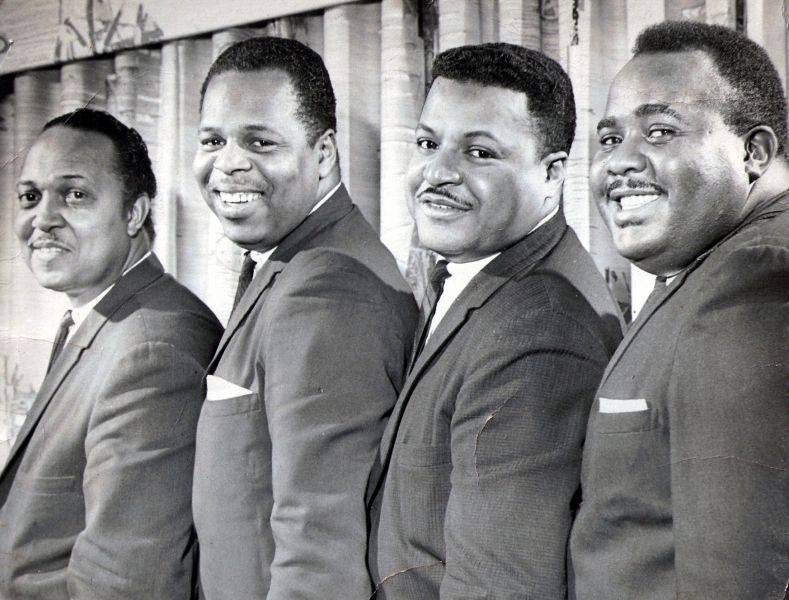
James Benton has been a singer of jazz, blues, and R&B; during two dist…
-
![Women's Land Army]()
Women's Land Army
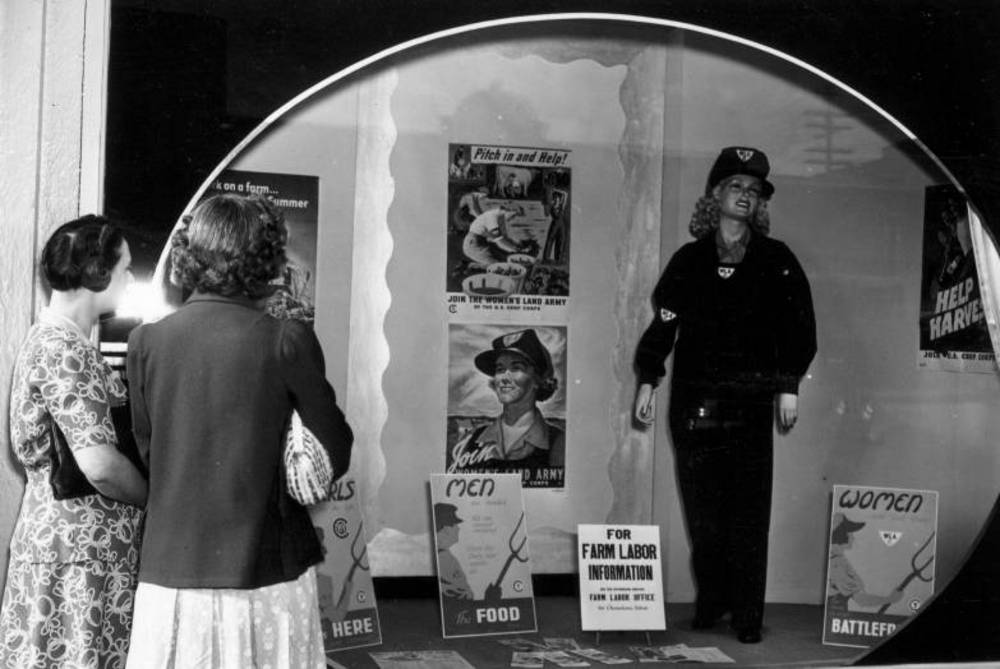
In 1942, after many men in Oregon had left the workforce to fight in Wo…
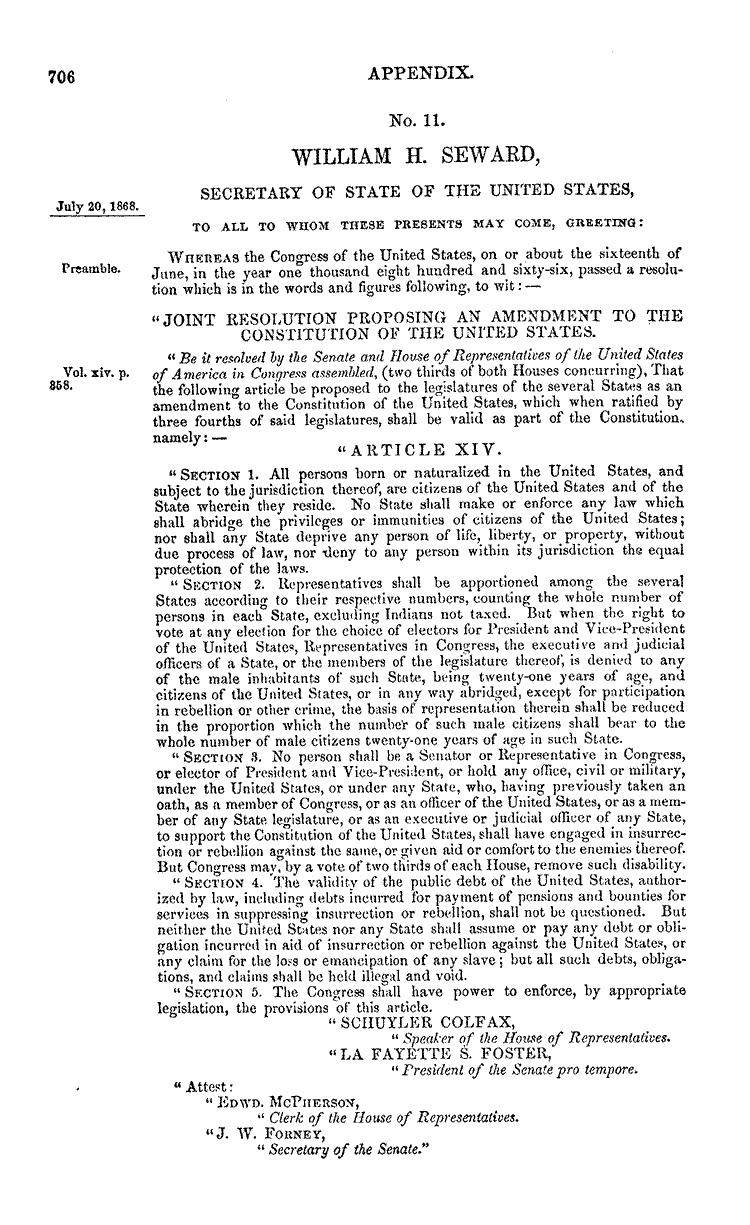
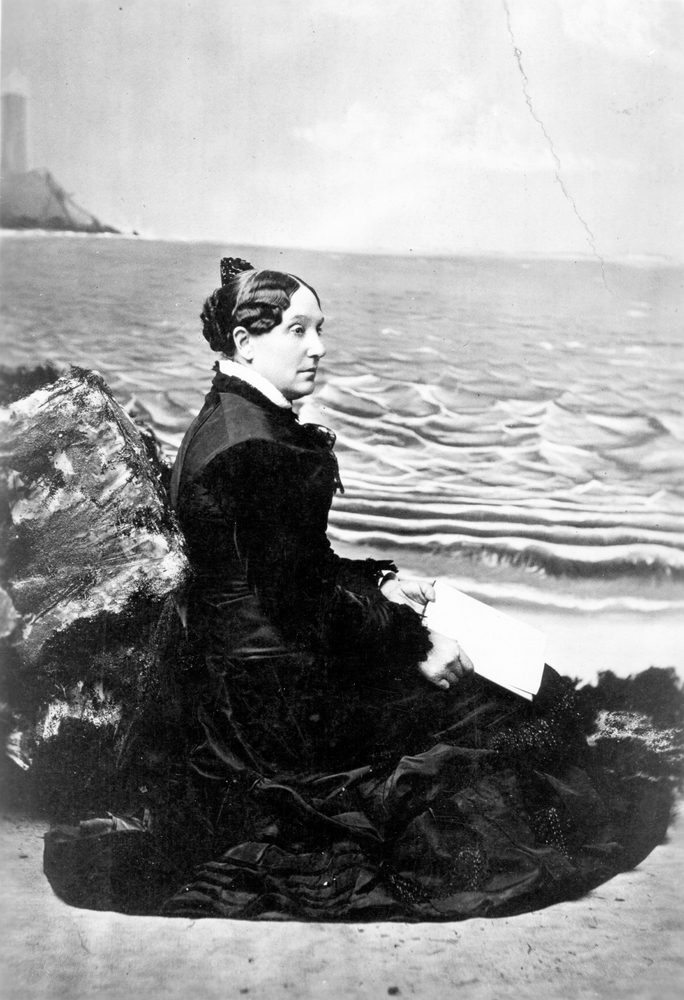
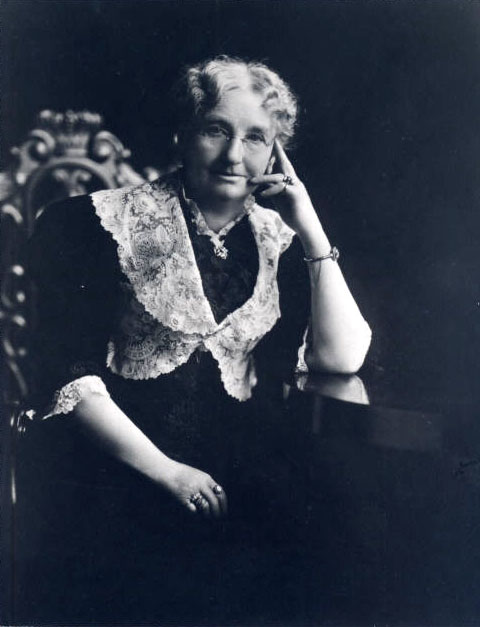
Timeline
1870-1900
The question of votes for women first appeared in Oregon, if only briefly, in the debates that took place in the state Constitutional Convention in August and September 1857. Delegates discussed who should have the right to vote and proposed that the right should belong only to white male citizens. David Logan of Multnomah County moved “to strike out male before citizen,” but his motion lost, apparently without debate.
1900-1912
After the state’s 1902 adoption of the initiative and referendum system and with plans being made for the Lewis and Clark Exposition and Oriental Fair in 1905, Oregon suffragists lobbied successfully to have the National American Woman Suffrage Association (NAWSA) hold its convention in Portland. The convention in the summer of 1905 was an impressive success.
1912-1920
Enfranchised women in Oregon and other western states faced particular dilemmas as national organizations debated strategies for achieving national woman suffrage. After the 1912 campaign, many women in Oregon continued the work by assisting with other state campaigns and pushing for a federal suffrage amendment.