


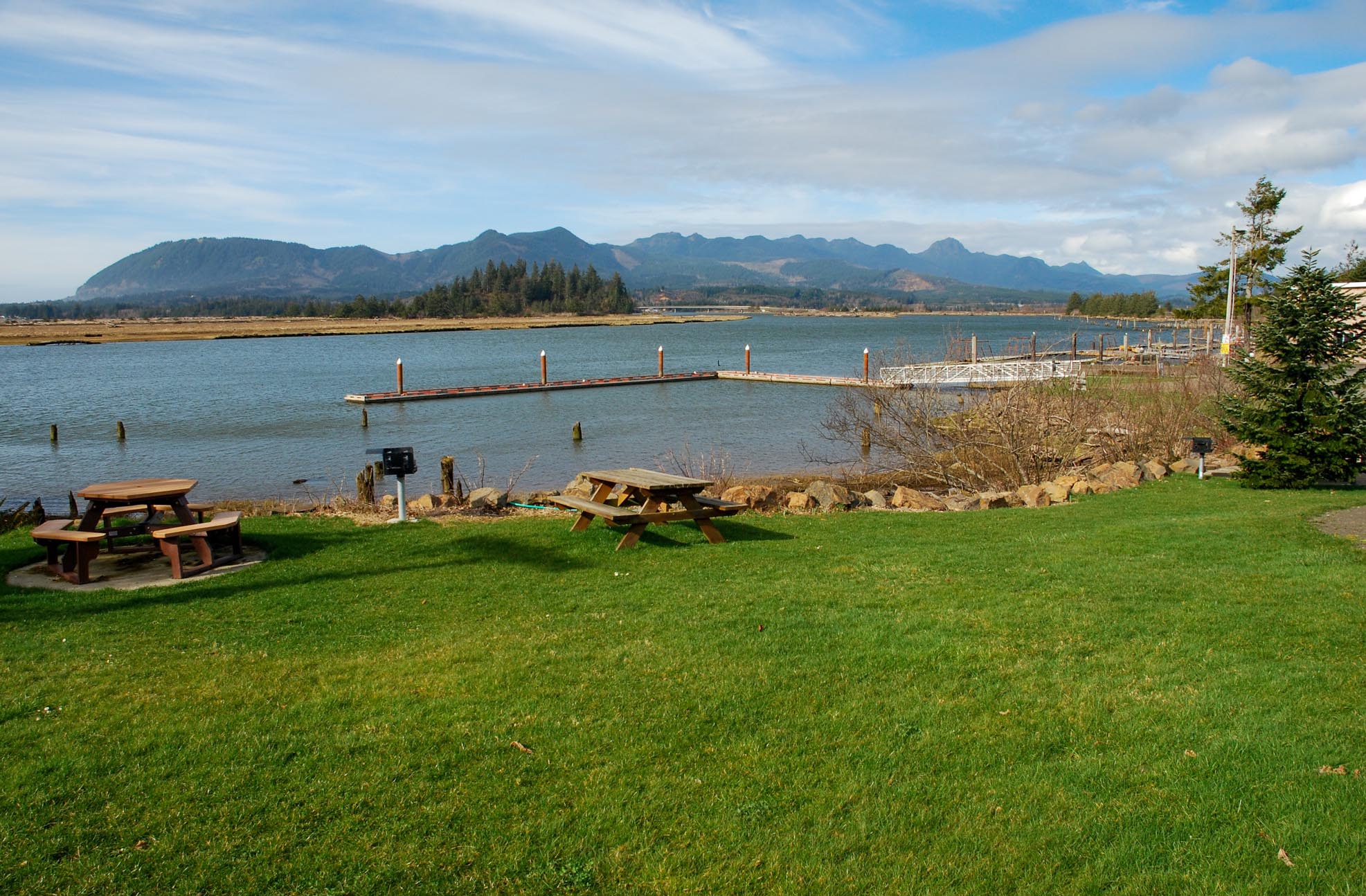
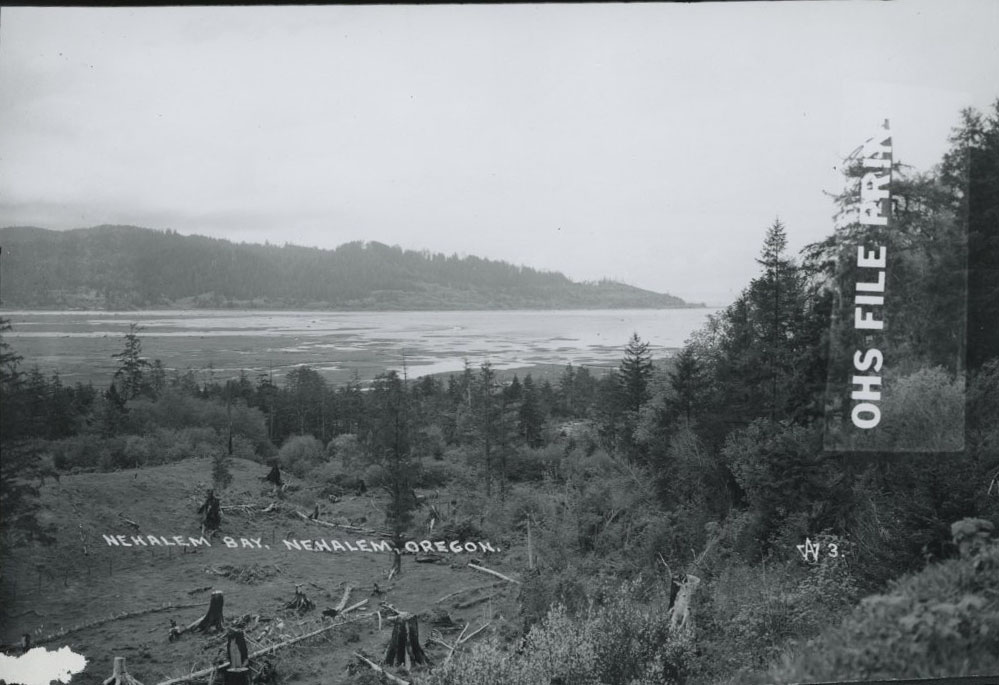
The City of Wheeler lies on the eastern shore of Nehalem Bay on Oregon’s north coast in Tillamook County. In the nineteenth century, only a few trails and one wagon road crossed the rugged Coast Mountain range from the Willamette Valley, making the region among the last along the coast for outsiders to settle. Once a lumber mill and cannery town, Wheeler has transitioned its primary economic base to antique stores, medical services, and recreation.
Nehalem Bay is part of the homelands of the Nehalem band of the Tillamook people, who built longhouses and lived in villages along the bay during the winter months. They spent warmer months on seasonal rounds for food, such as berries and deer—food sources they maintained in part by using controlled burning. After a series of treaties and an executive order in 1855, most of the Nehalems were relocated to the Coast Reservation.
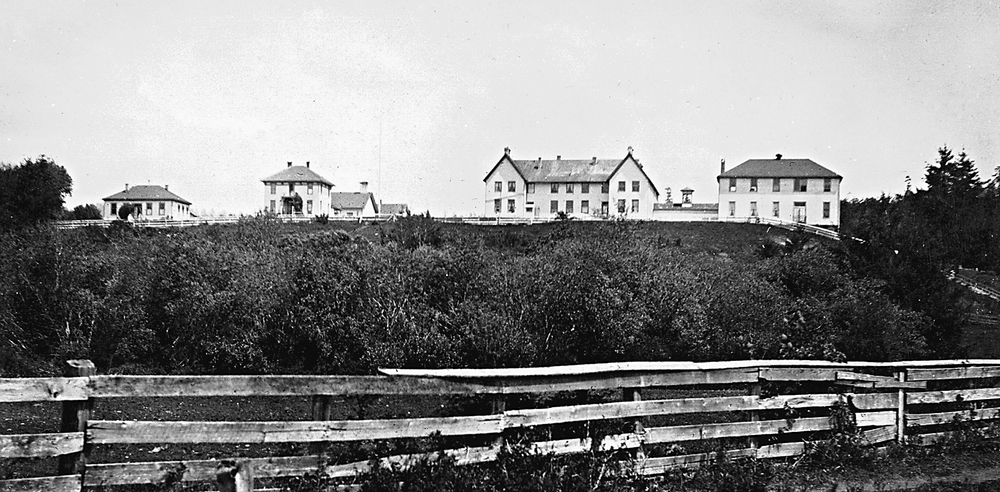
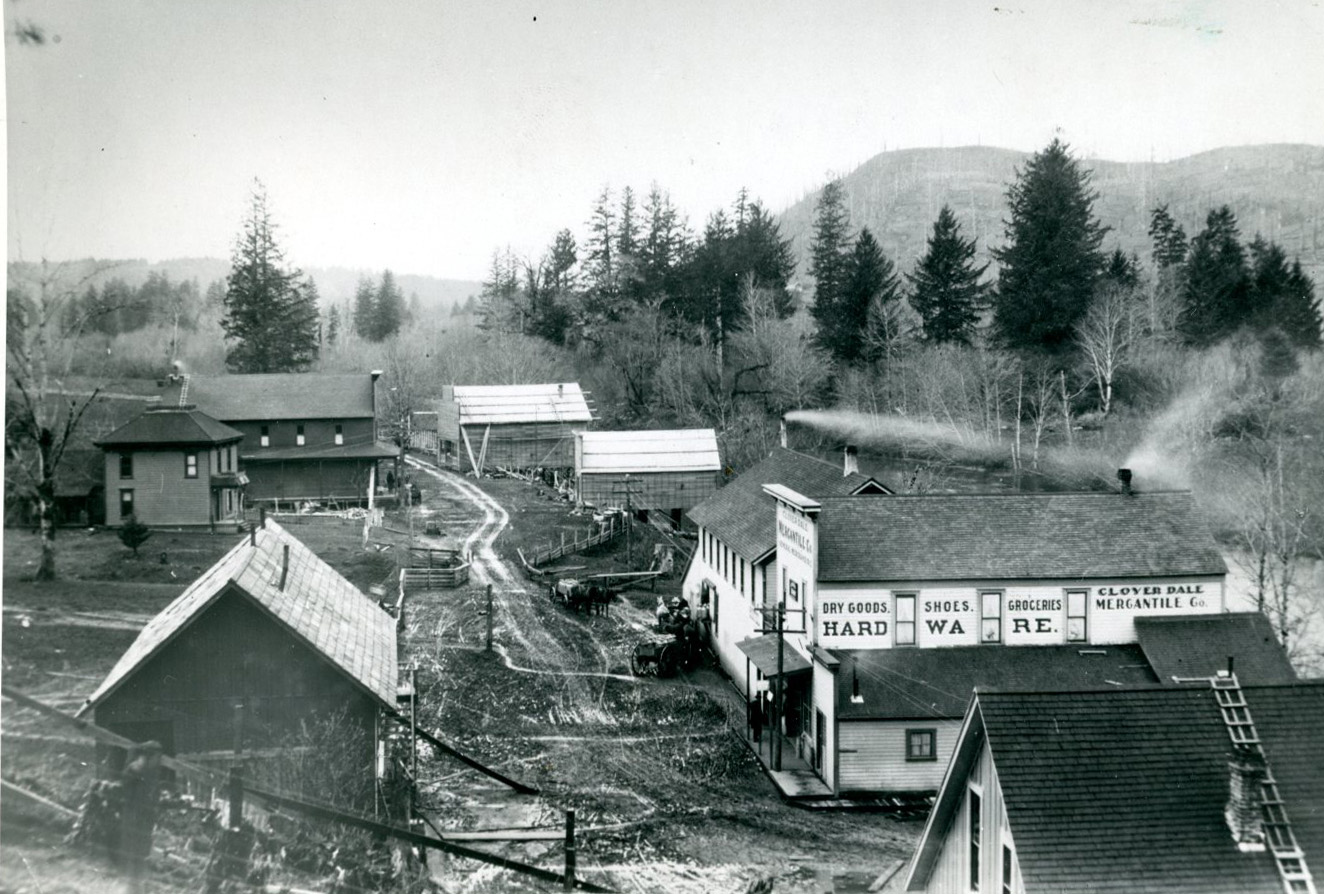
In the mid-1890s, lumberman Coleman Wheeler came to the Nehalem Country to begin a logging business. Wheeler and his backers bought land for a mill along the east side of Nehalem Bay and began buying tracts of land along the Salmonberry River, a tributary of the Nehalem River, for logging. Within a few years, they owned about 70,000 acres of prime Douglas-fir and spruce. To attract labor for the mill, Wheeler built several dozen houses for workers. The largest of those houses became the home, office, and hospital of the mill doctor, Harvey Rinehart, whose descendants maintained a medical clinic in Wheeler into the twenty-first century. The Wheeler post office was designated in 1910, and the town was incorporated in 1913 and formally named Wheeler.
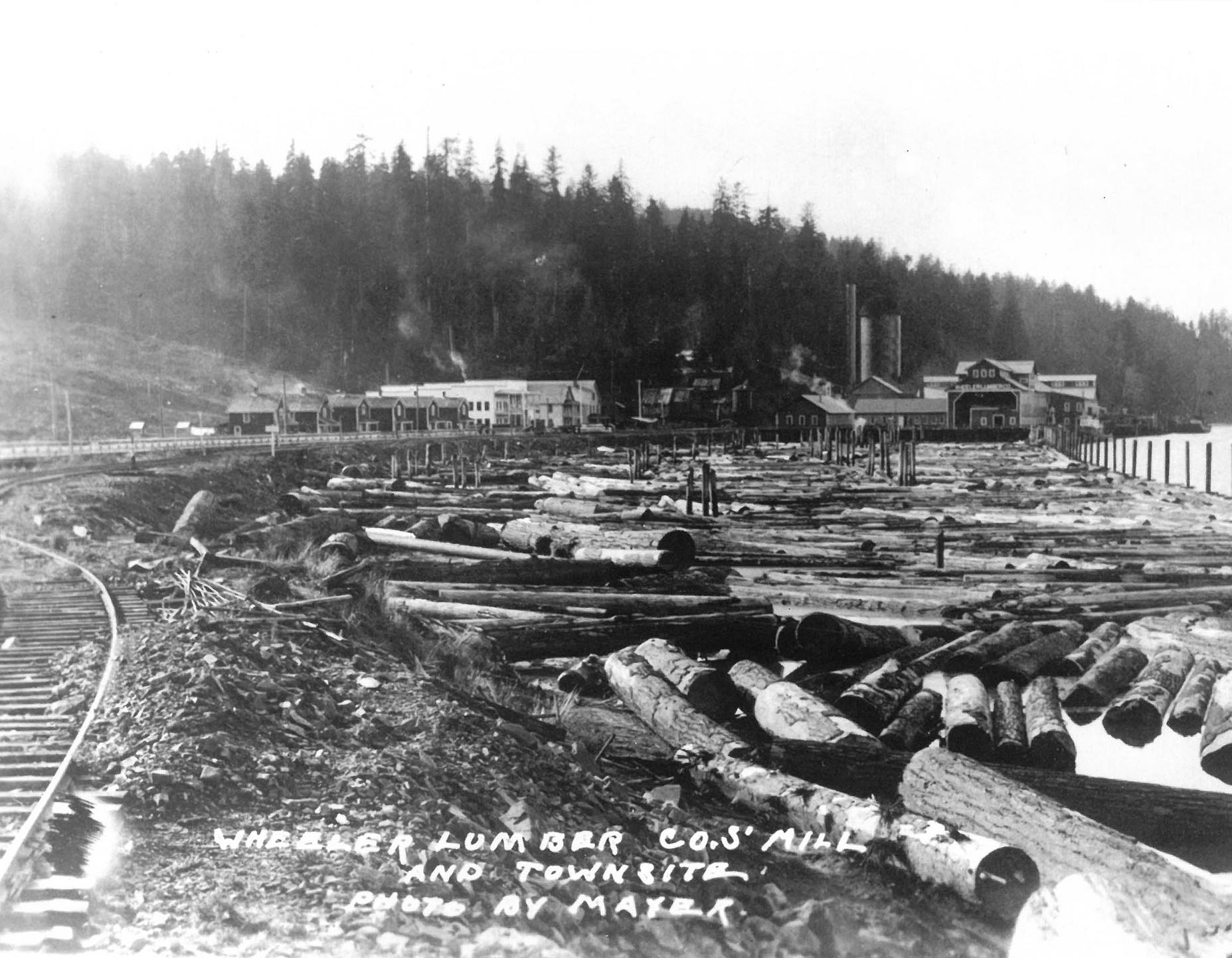
The Pacific Railway and Navigation Company in 1911 completed a railroad connecting Wheeler to Portland, putting the regional economy into high gear. A station was built next to Wheeler’s mill pond to ease the delivery of logs from the mountains. The main railroad line brought logs from the mountains, and spurs connected loggers to the main line high in the mountains. The loads were delivered to Wheeler, and small engines hauled log cars to the mill pond to store the timber and deliver freight from Portland.
A second station closer to town served rail passengers headed for the ferry to Nehalem and to the new resorts of Manzanita and Neahkahnie Beach. Passenger trains in the 1920s ran three or four times a day on weekends during July and August and twice a day the rest of the year. A single car with a self-contained engine could travel south to Tillamook in one hour, allowing locals to visit the county seat and return the same day. The train also serviced the growing communities of Rockaway, Garibaldi, and Bay City. Passenger service died with the Depression, but trains continued to carry lumber from mills near Tillamook until a storm in 2007 damaged the tracks beyond practicable repair.
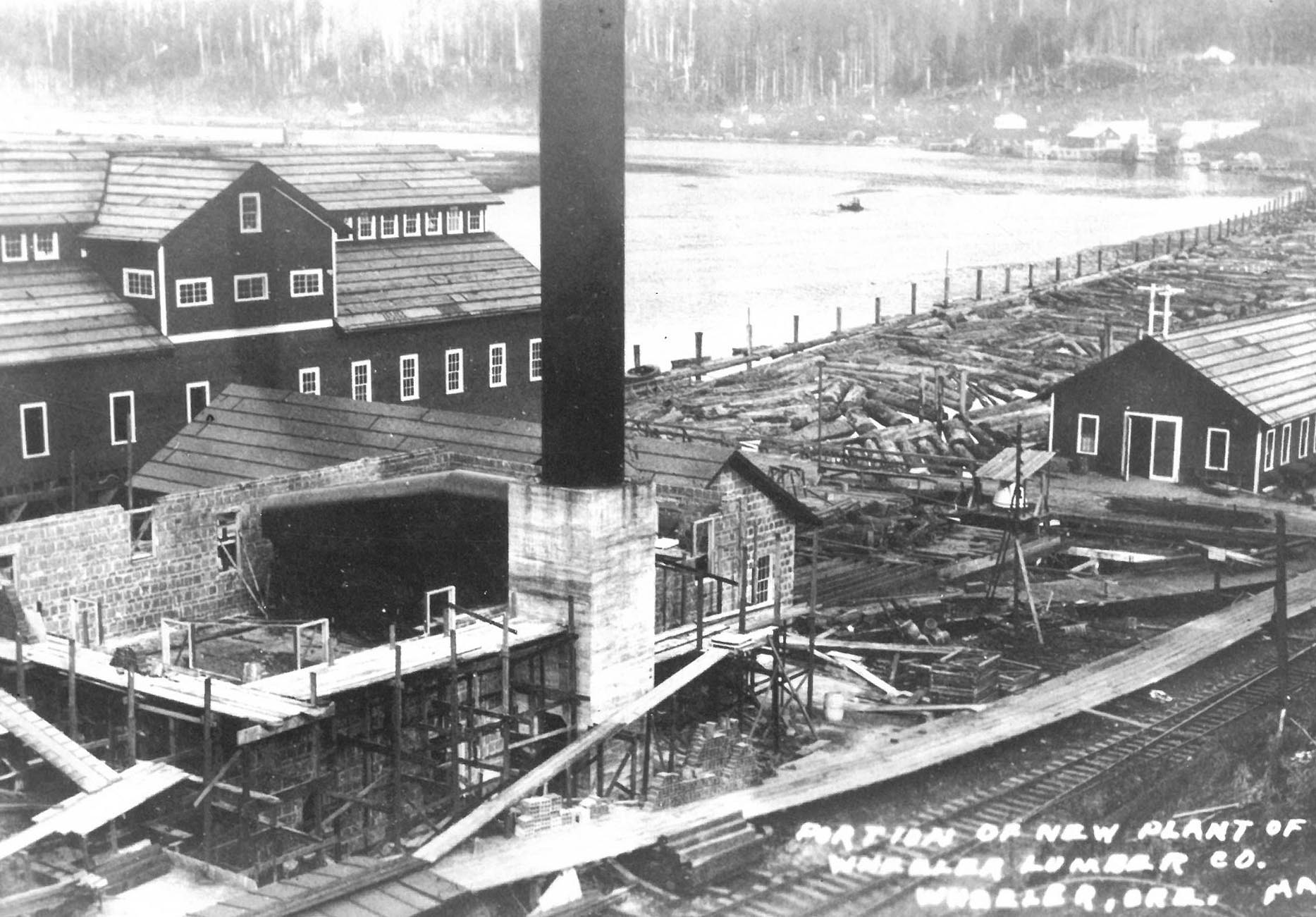
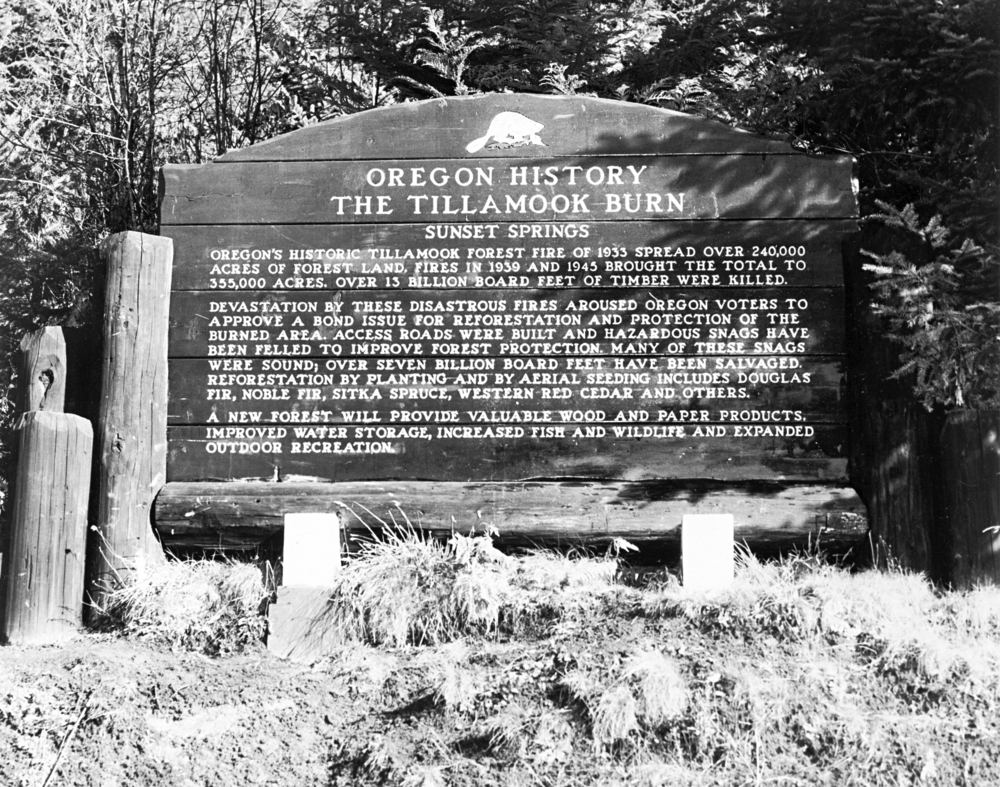
As soon as the Wheeler mill went into full production, it endured up and down economic stability common to the logging industry. It boomed during the 1920s along with the huge markets in California and Portland and slowed with the national economy during the recessions of 1914 and 1921. The Great Depression and the devastation of the Tillamook Burn of the 1930s closed the mill permanently. During the 1920s, the population of Wheeler was nearly 800. When the mill closed, the population fell by half.
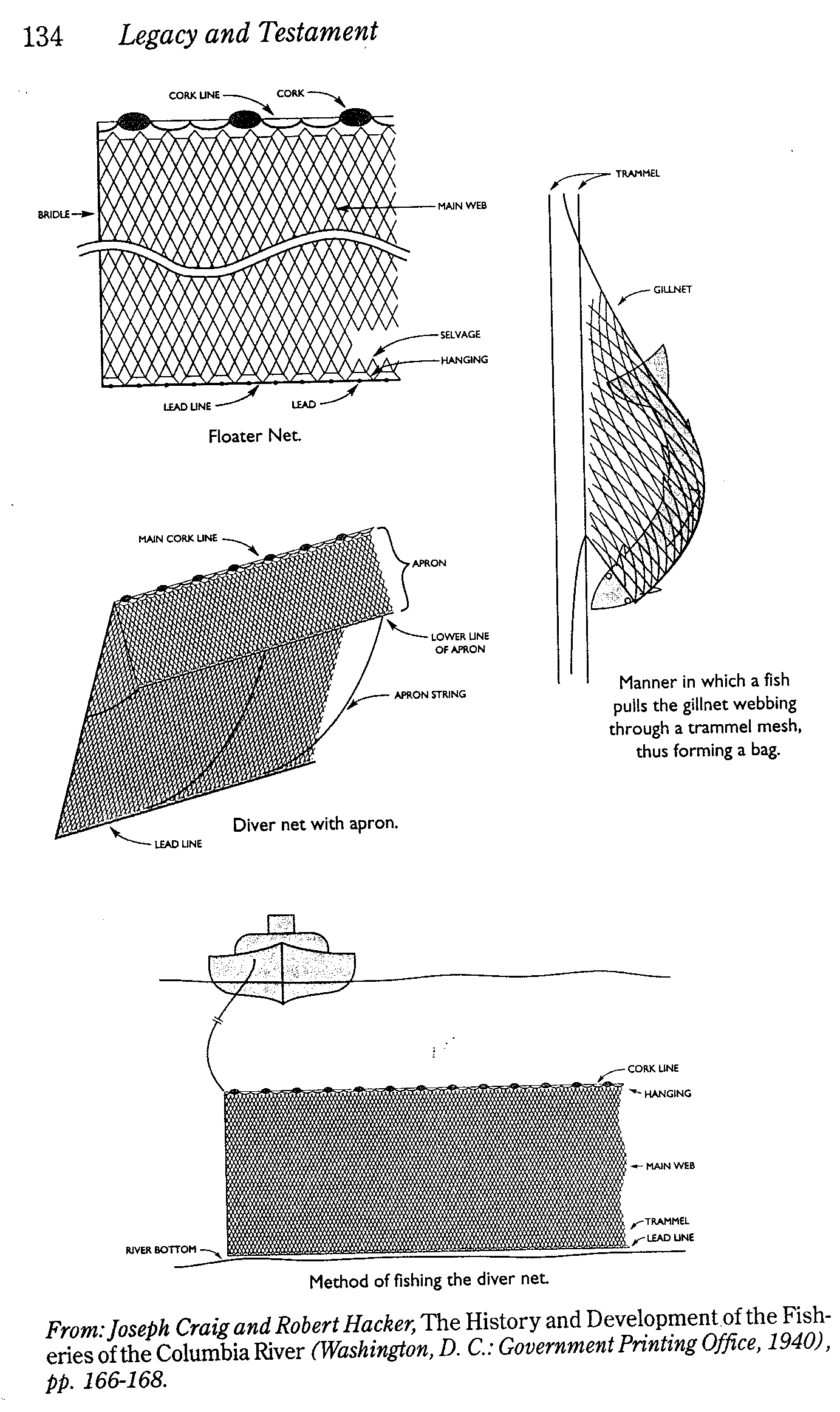
By the 1890s, commercial fishing had reduced salmon runs in the Columbia River, and canneries moved or expanded operations to bays along the coast. Nehalem Bay had four canneries, including two in Wheeler. Many Chinese immigrants worked in the canneries, primarily taking the night shifts and living in dormitories built by the companies. Ships from the Elmore Packing Company, based in Astoria, picked up the cases of canned salmon for distribution. The so-named gill net fleet formed a picturesque part of the Wheeler waterfront until a voter-passed fish conservation law effectively closed commercial fishing in the bay in 1956 by outlawing all fishing methods except hook-and-line.
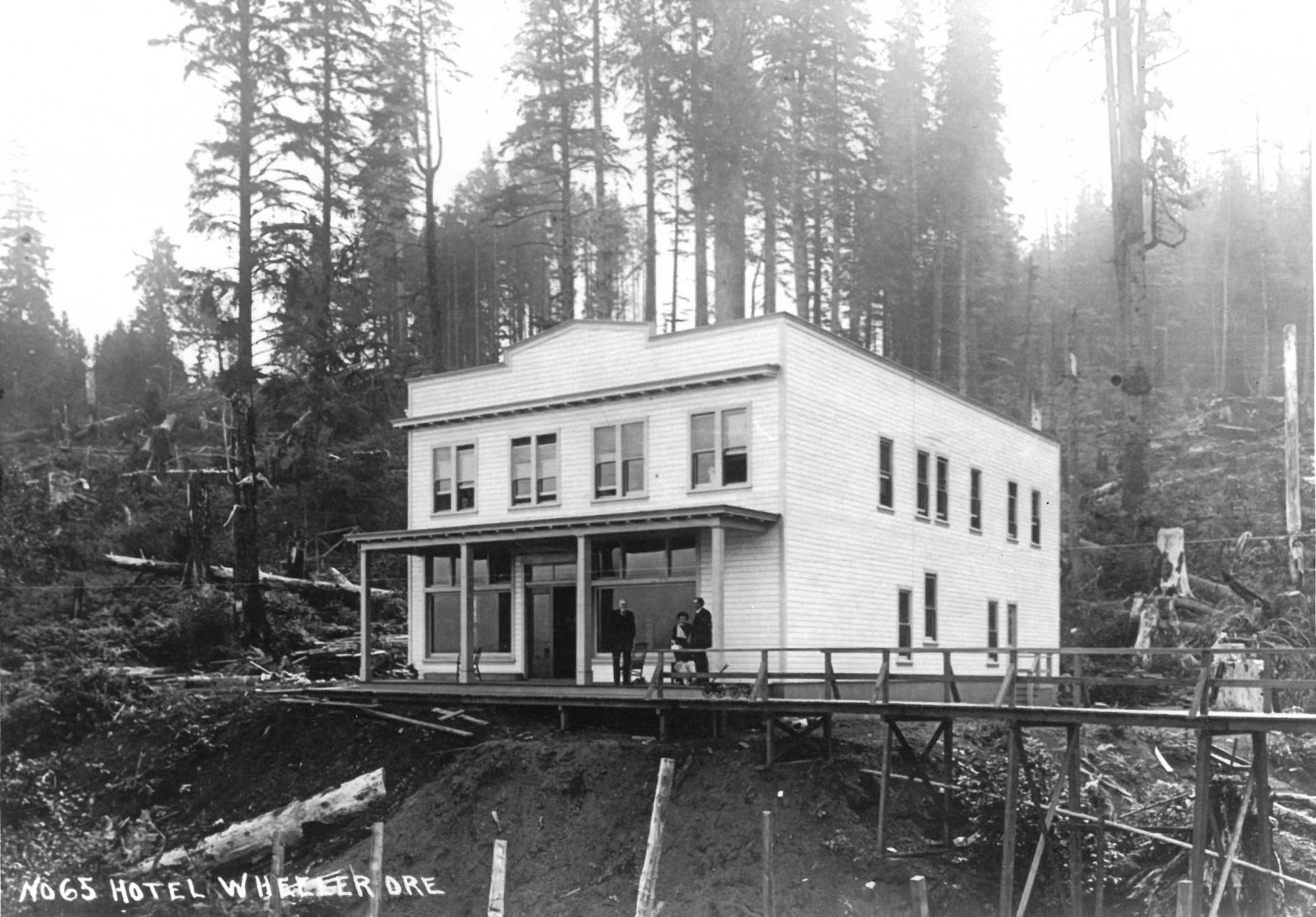
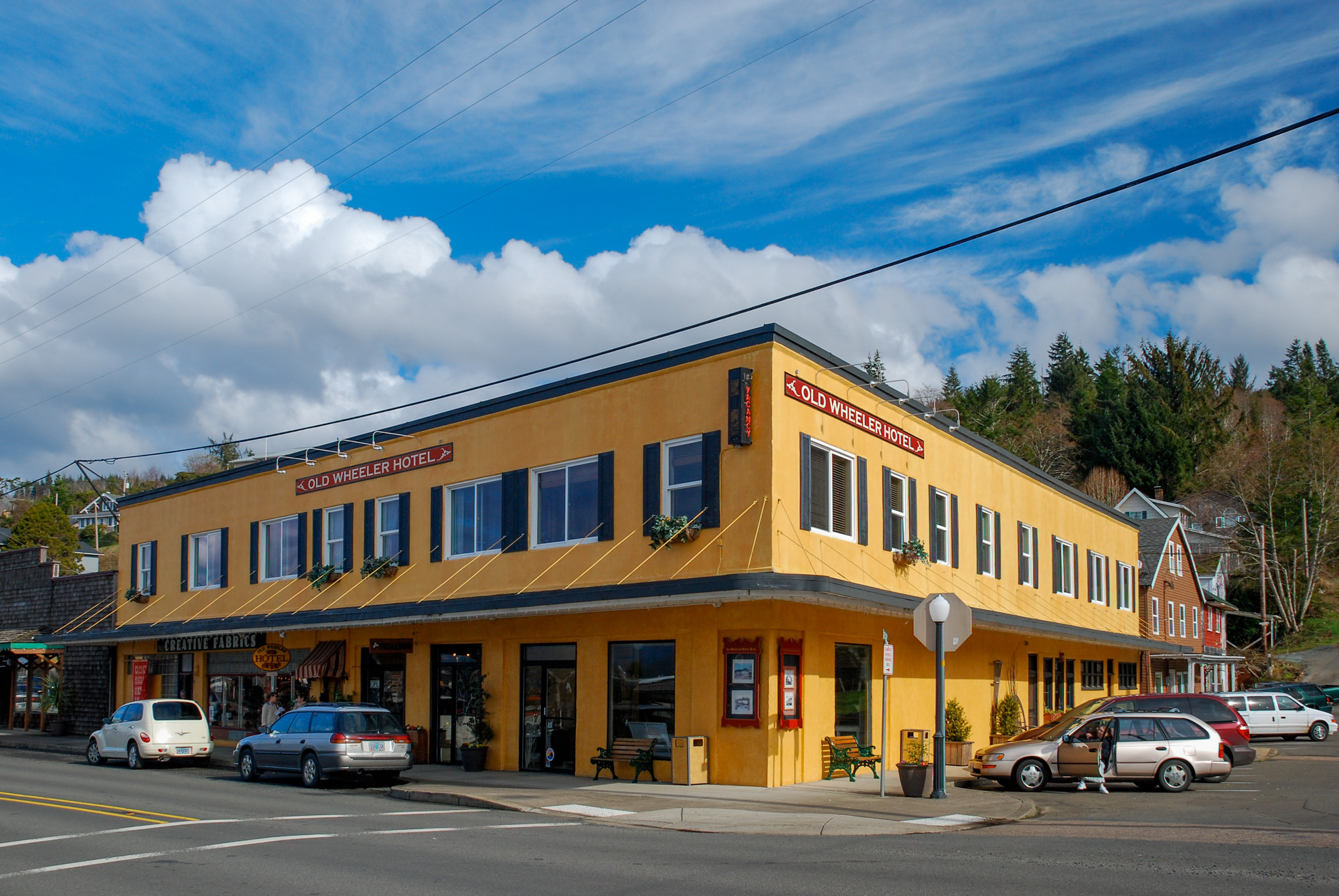
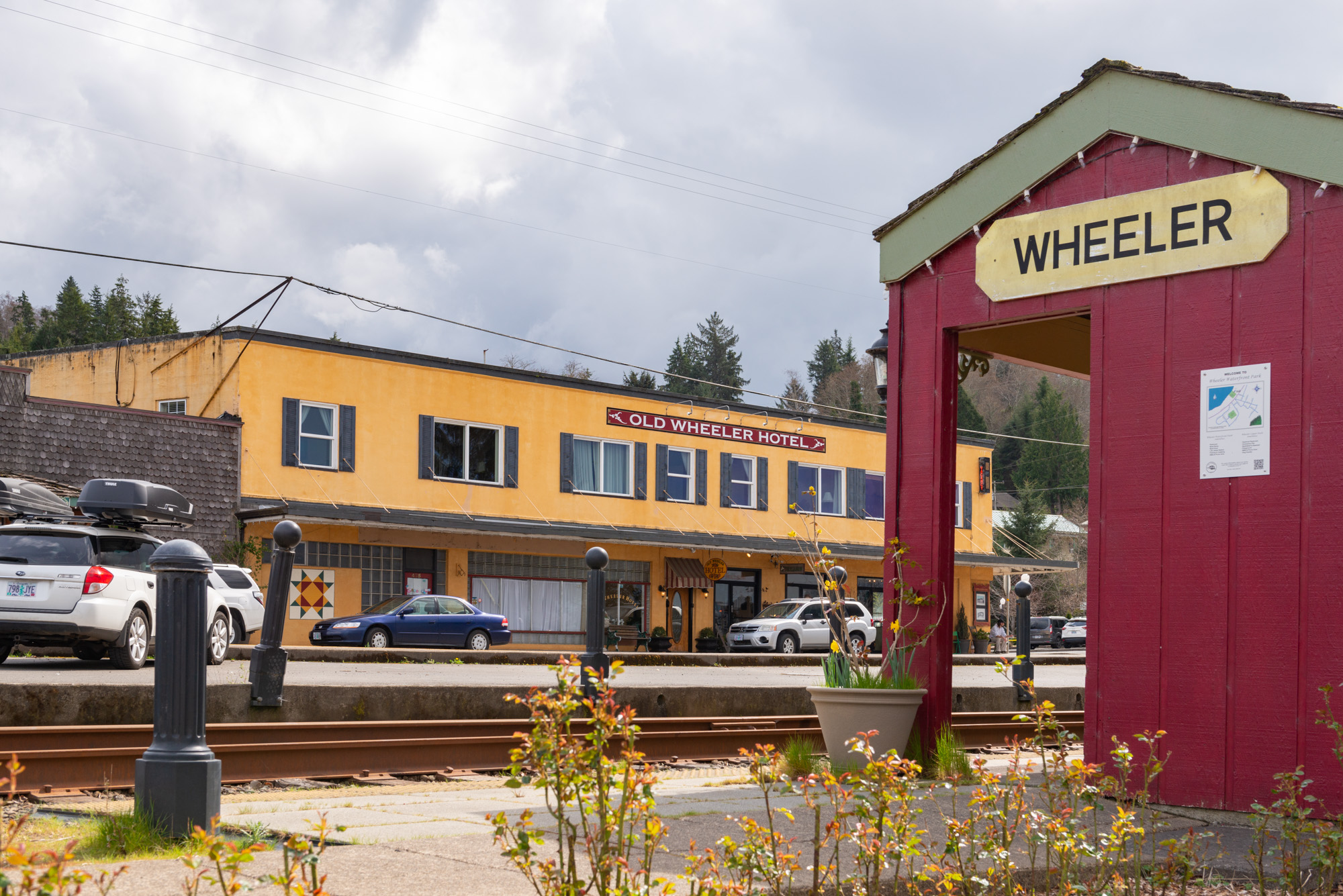
The population of Wheeler decreased to 237 in 1960, but has in the decades since maintained between 300 and 422 (as of 2026) residents. Many of the historic houses built by Coleman Wheeler still stand on what locals call Mill Hill. The Old Wheeler Hotel in the center of town, built in 1924, has passed through many hands and states of repair until it was refurbished early in the twenty-first century. The Nehalem Bay area had a small building boom in the 2000s with an increase in high-end second homes. Wheeler's medical facilities serve the wider region, and tourists visit Wheeler for its stunning views, antique stores, and access to Nehalem Bay for recreation, crabbing, and fishing.
-
![]()
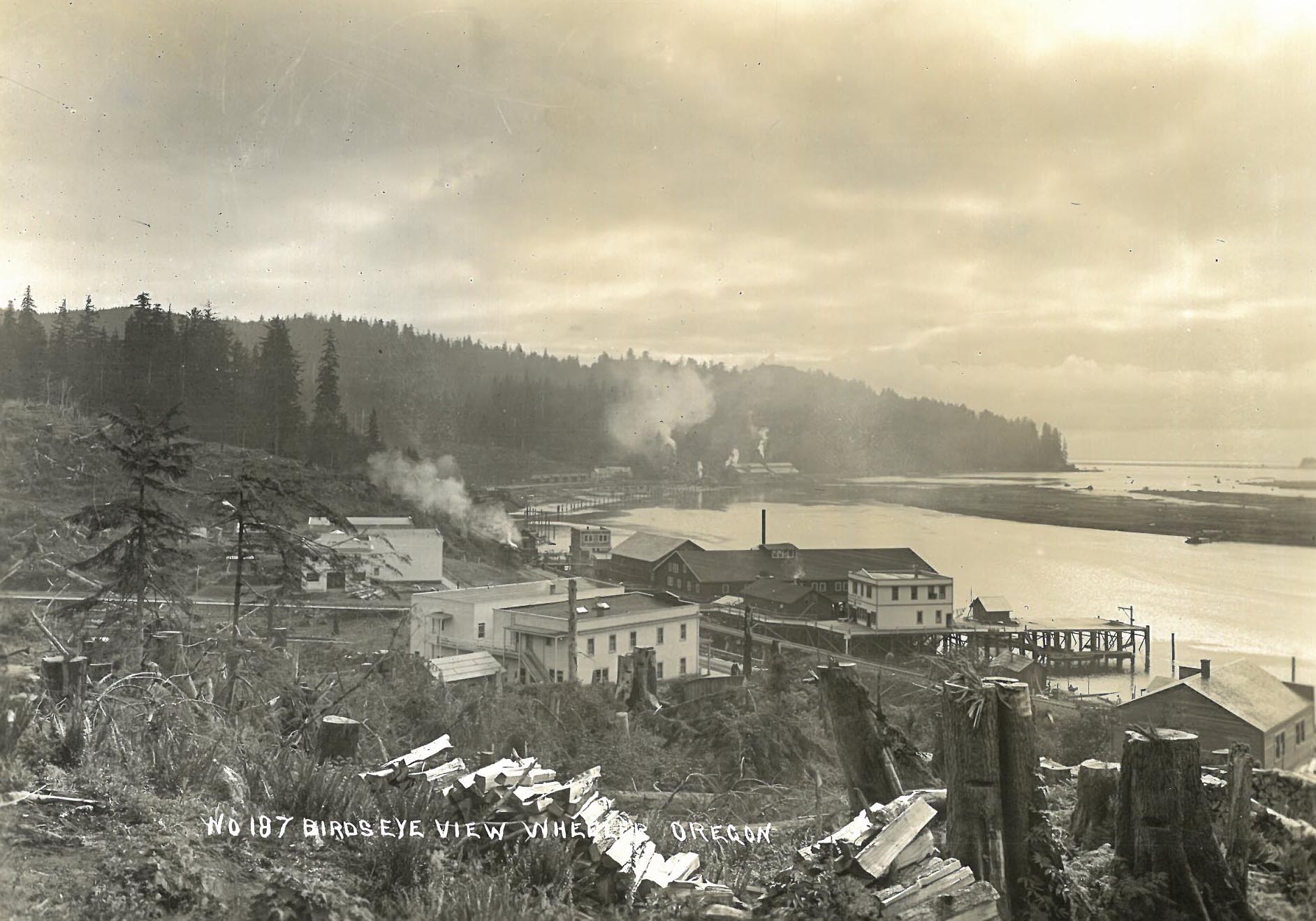
Birds Eye View of Wheeler, Oregon.
Oregon Historical Society Research Library, OrHi 3957, Photo File #1112
-
![]()
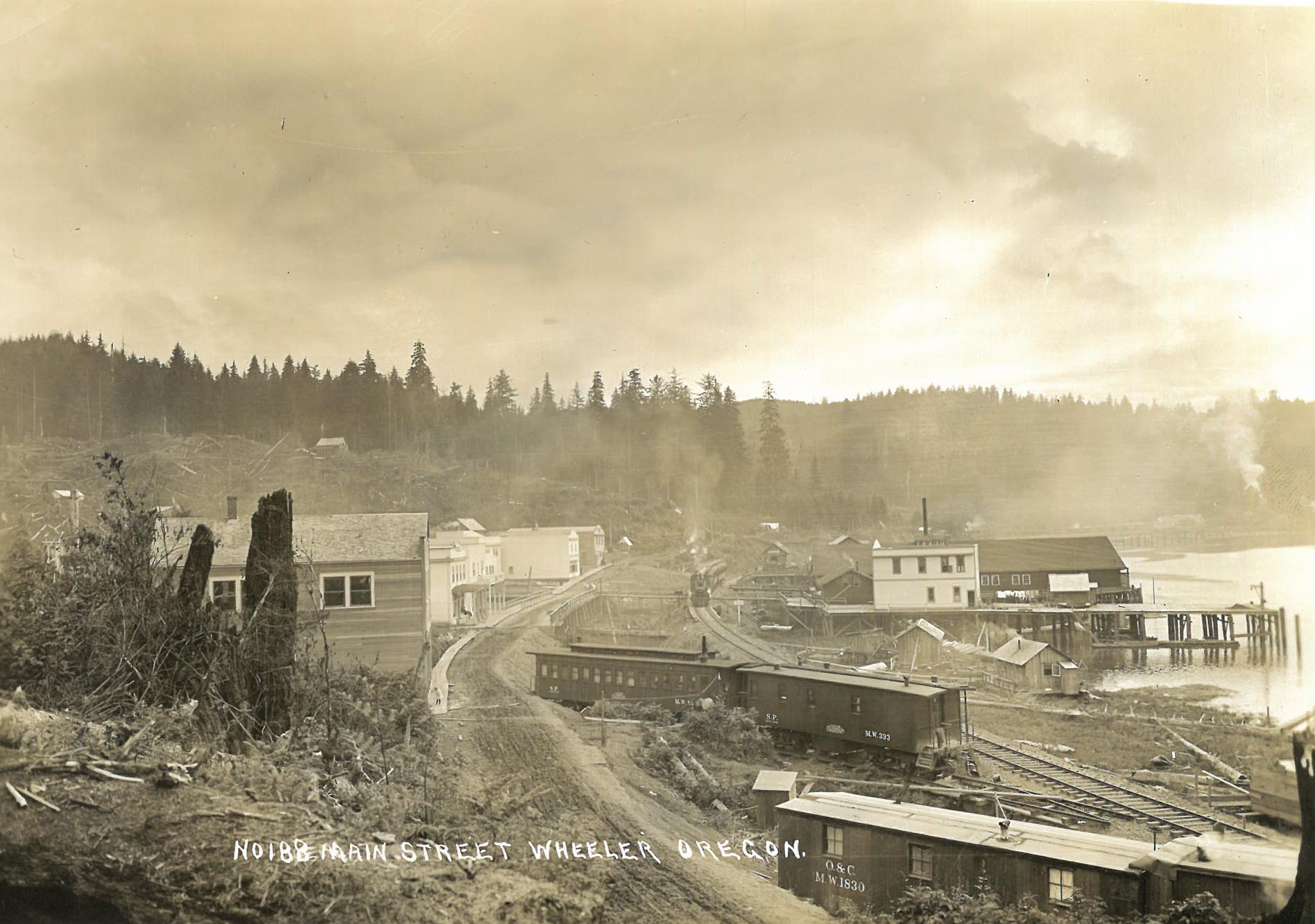
Main Street, Wheeler, Oregon.
Oregon Historical Society Research Library, OrHi 3956, Photo File #1112
-
![]()
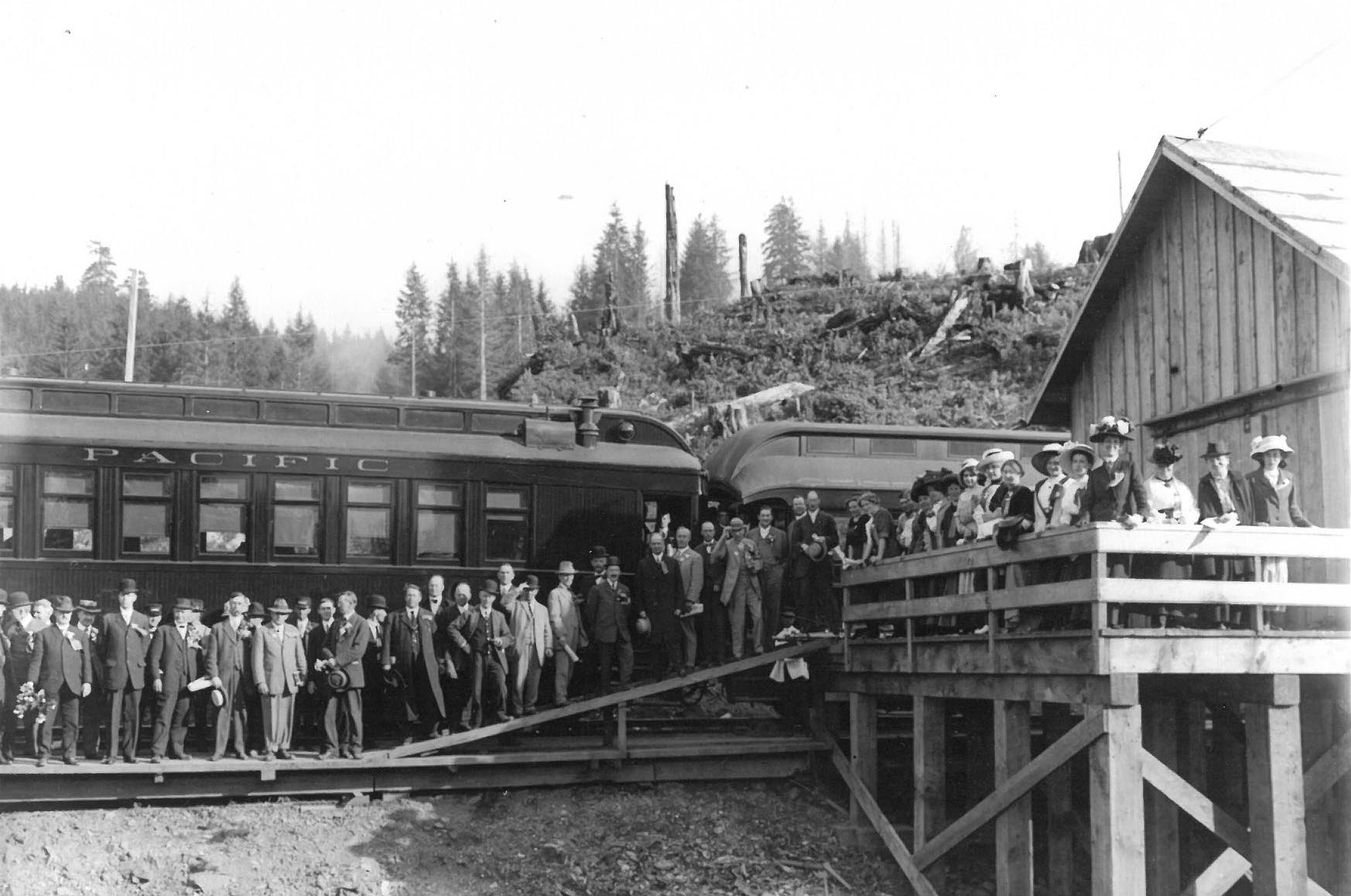
Wheeler, Tillamook County, c. 1911.
Oregon Historical Society Research Library, Neg. No. 65195, Photo File #1112
-
![]()
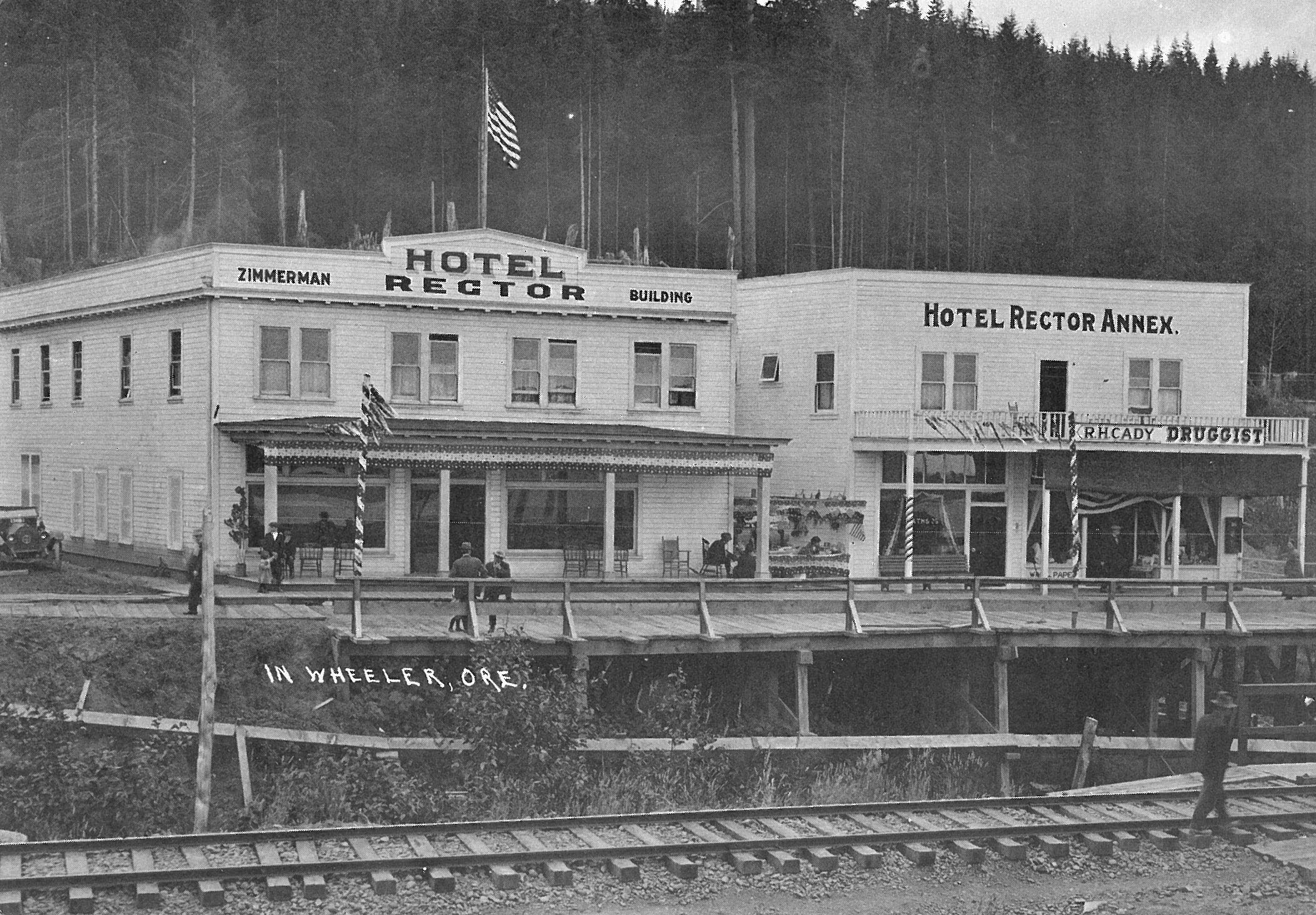
Hotel Rector in Wheeler, 1914.
Oregon Historical Society Research Library, Acc.26543, Photo File #1112
-
![]()
Hotel in Wheeler (before it was rebuilt in 1920).
Oregon Historical Society Research Library, Neg. No. 45874, Photo File #1112
-
![]()
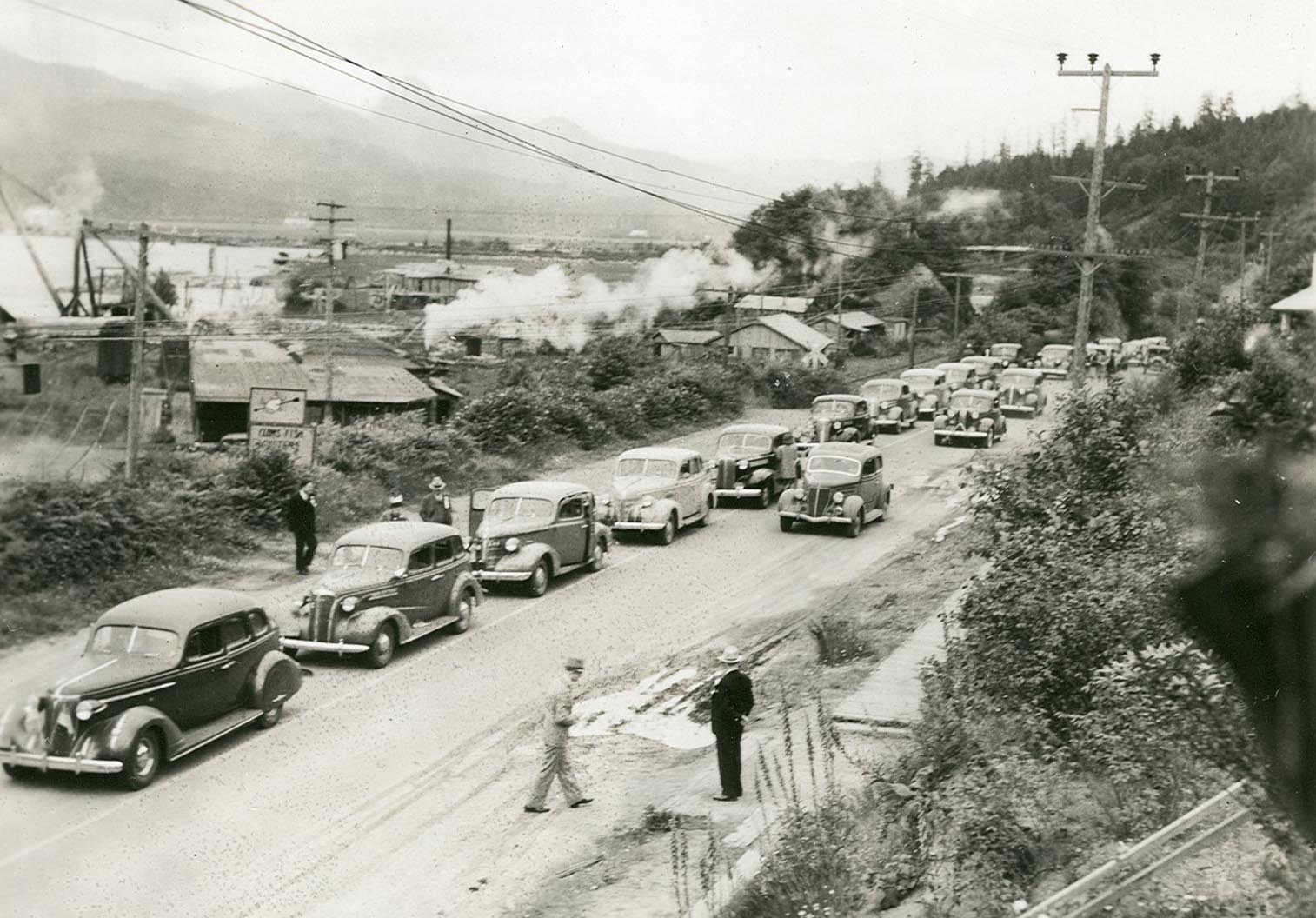
Wolf-Creek-Wilson River Highway caravan celebrating dedication June 30 and July 1, 1939.
Courtesy Oregon State Library -
![Ben Maxwell, photographer.]()
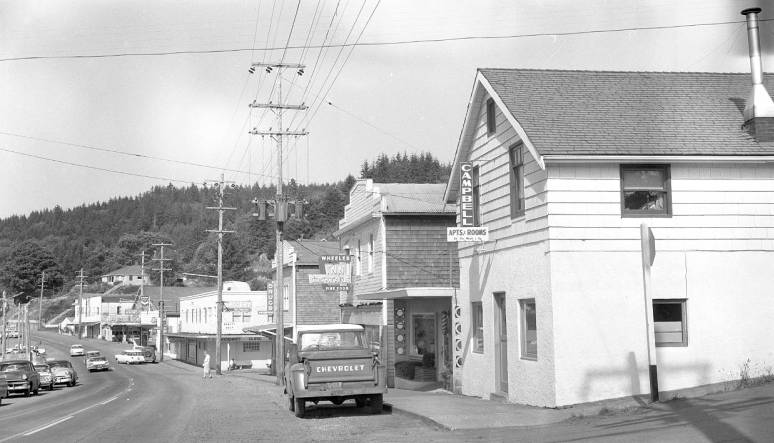
Business district on Highway 101 in Wheeler, Oregon, 1961.
Ben Maxwell, photographer. Courtesy Salem Public Library Historic Photographs Collections, Salem Public Library, Salem, Oregon, 7064 -
![]()
Portion of New Plant of Wheeler Lumber Co., Wheeler, Oregon.
Oregon Historical Society Research Library, Neg. No.45873, Photo File #1112
-
![]()
Wheeler Lumber Company's Mill and Townsite.
Oregon Historical Society Research Library, Neg. No. 45877, Photo File #1112
-
![]()
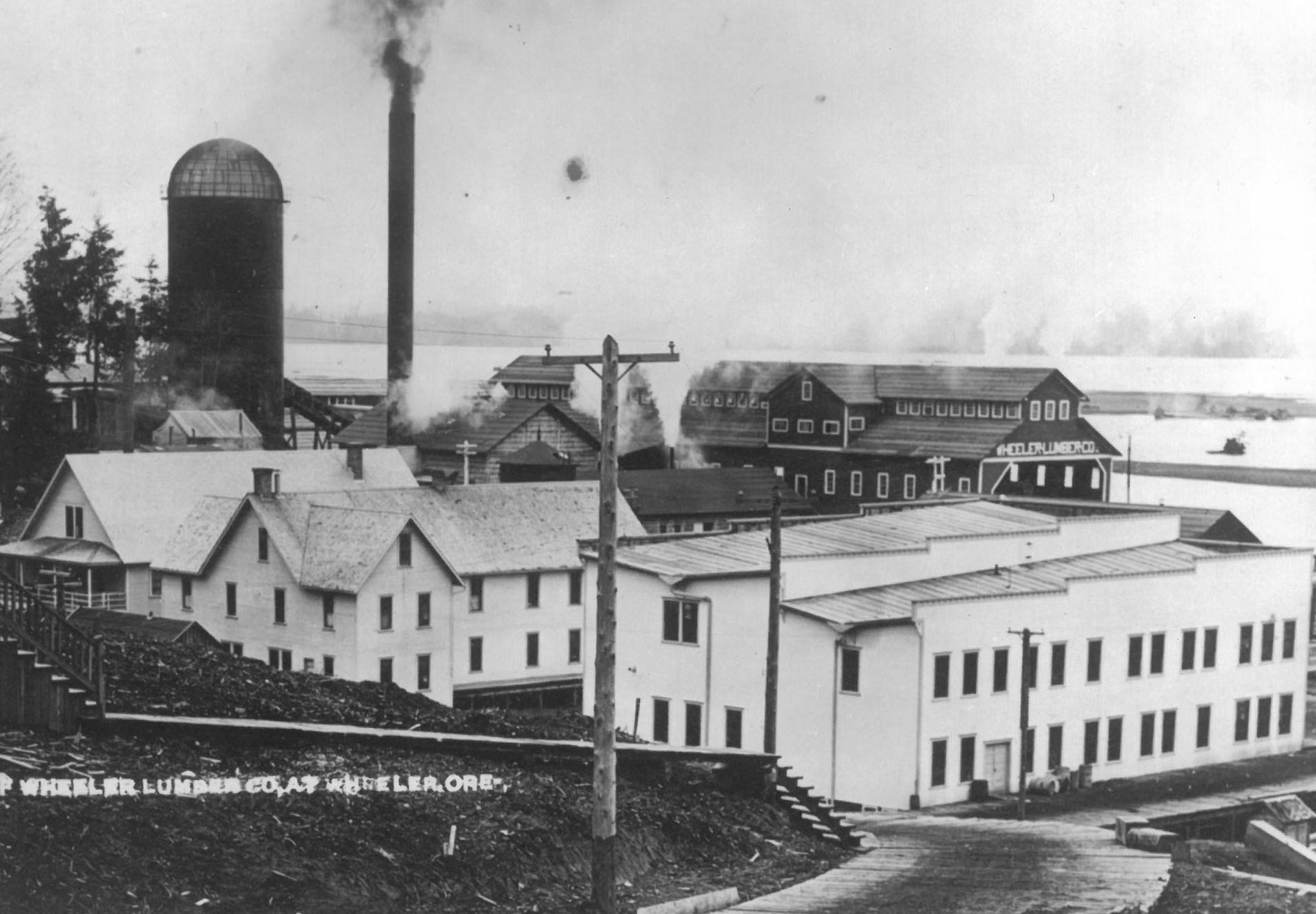
Wheeler Lumber Company at Wheeler, Oregon.
Oregon Historical Society Research Library, Neg. No. 45875, Photo File #1112
-
![]()
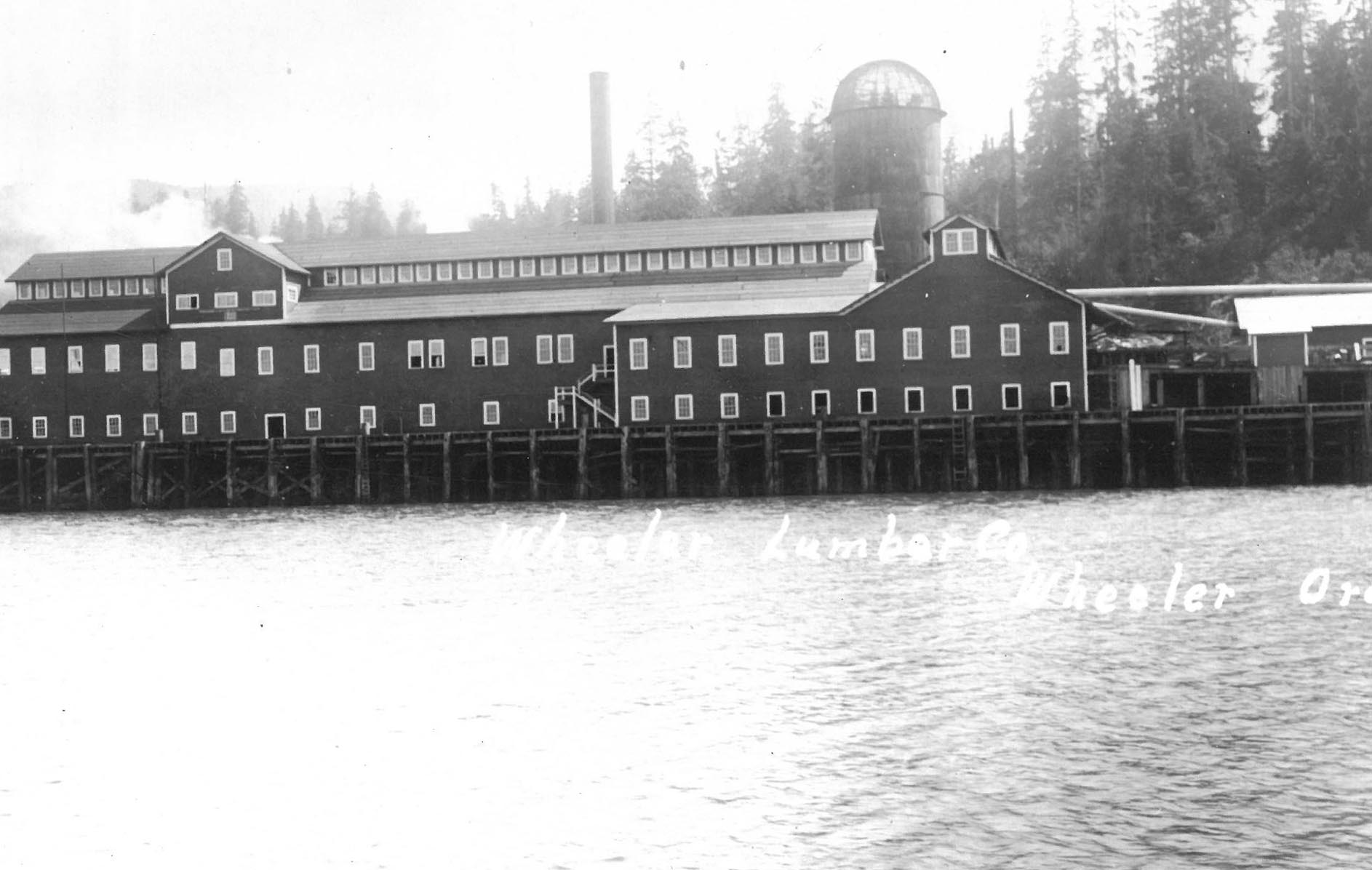
Wheeler Lumber Company, Wheeler, Oregon.
Oregon Historical Society Research Library, Neg. No. 36682, Photo File #1112
-
![]()
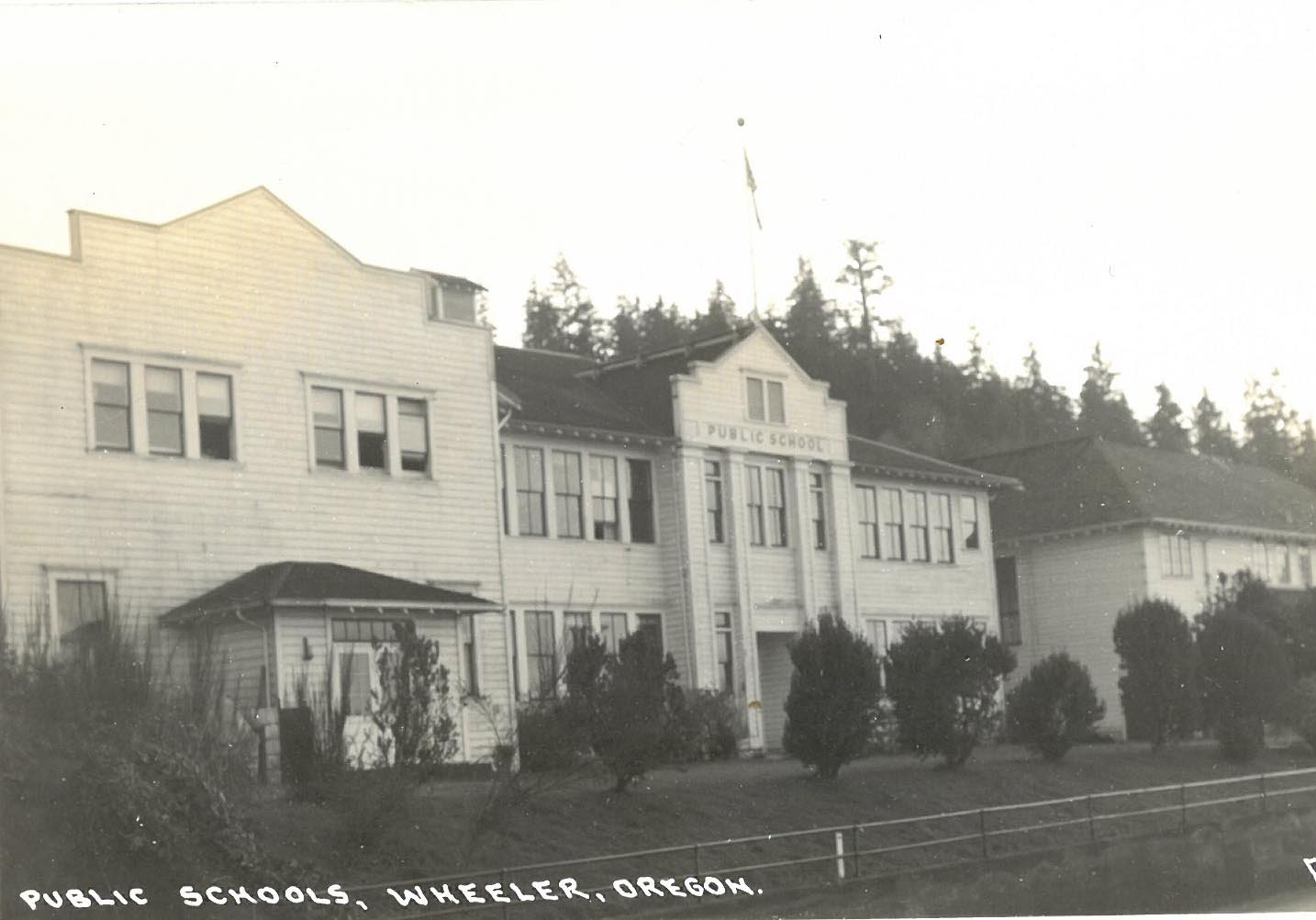
Wheeler Public Schools.
Oregon Historical Society Research Library, 9890132, Photo File # 1112
-
![Gary Halvorson, Photographer.]()
Old Wheeler Hotel, 2009.
Gary Halvorson, Photographer. Courtesy Oregon State Archives, 20090302-0412 -
![]()
The waterfront along Nehalem Bay at Wheeler, Tillamook County, 2009.
Courtesy Oregon State Archives, 20090302-0413 -
![Gary Halvorson, photographer.]()
Wheeler, Tillamook Bay, 2019.
Gary Halvorson, photographer. Courtesy Oregon State Archives, 20190328-0006
Related Entries
-
![Coast Indian Reservation]()
Coast Indian Reservation
Beginning in 1853, Superintendent of Indian Affairs Joel Palmer negotia…
-
![Gillnet fishing]()
Gillnet fishing
A gillnet is used by fishermen throughout the world to catch various sp…
-
![Nehalem Bay State Park]()
Nehalem Bay State Park
Nehalem Bay State Park occupies almost 900 acres on a sand spit separat…
-
![Tillamook]()
Tillamook
Tillamook, the county seat of Tillamook County and its largest city, is…
-
![Tillamook Burn]()
Tillamook Burn
The Tillamook Burn was a catastrophic series of large forest fires in t…
-
![Timber Industry]()
Timber Industry
Since the 1880s, long before the mythical Paul Bunyan roamed the Northw…
Related Historical Records
Map This on the Oregon History WayFinder
The Oregon History Wayfinder is an interactive map that identifies significant places, people, and events in Oregon history.
Further Reading
Beach, Mark. Manzanita, Nehalem, and Wheeler. Charleston, S.C.: Arcadia Publishing, 2021.
"Extensive Railway Plans." Portland Oregonian, November 21, 1905, p.5.
"Big Cannery Projected." Portland Oregonian, July 9, 1910, p. 7.
"Towns Want Same Name: Rail Commission to Decide Which of Two is to be Wheeler." Portland Oregonian, November 28, 1911, p. 14.
"Large Pack at Nehalem Bay." Astoria Evening Post, October 5, 1911, p. 5.
"Timber Operator Dead." Portland Sunday Oregonian, August 29, 1920, p. 21.
"Nehalem Bay Group against Park-Highway Merge Plan." Weekly Astorian, March 9, 1956, p. 2.
"Hearing set on highway: Manzanita to Nedonna." Seaside Signal, January 29, 1970, p. 13.
"Navigating Nehalem." Daily Astorian, March 2, 2000, p. 1.