


Renowned author Barry Lopez was both a world traveler and a writer deeply rooted in a single place along the McKenzie River on the western slope of the Oregon Cascades. The tension between his attachment to the community of Finn Rock and his exploratory zeal is evident throughout his writing, which spans some twenty-two volumes of fiction, nonfiction, and edited collections.
Barry Holstun Brennan was born on January 6, 1945, in Port Chester, New York, to Mary Frances Holstun and John Brennan. His family moved to California in 1948, and he grew up near Reseda before moving back to New York at the age of 11, where he later graduated from the Loyola School (1962). He changed his surname to Lopez in 1956 after he was adopted by his stepfather. Lopez contemplated a monastic life and even visited Thomas Merton’s Gethsemani monastery in Kentucky for a month in 1966. As an undergraduate at Notre Dame University, he initially studied aeronautical engineering before switching to communication arts; he earned an MA in education at Notre Dame.
Lopez moved to Eugene, Oregon, with his wife Sandra in August 1968, where he began working on an MFA in creative writing at the University of Oregon. After one term, he transferred into the master’s program in journalism, but he left without completing his degree to become a full-time writer and photographer. While a student at UO, Lopez developed what became his first book manuscript (second to be published), Giving Birth to Thunder, Sleeping with His Daughter (1977), a collection of rewritten trickster stories. He and Sandra purchased a plot of land on the McKenzie River, about forty miles east of Eugene. This land became Lopez’s geographical center of gravity.
Lopez was deeply interested in the natural sciences and engineering from a young age, and his early publications appeared in Popular Science. In the 1980s, Lopez produced several volumes of lyrical prose narratives that hovered between fiction and nonfiction. Such volumes as Desert Notes: Reflections in the Eye of a Raven (1976), River Notes: The Dance of the Herons (1979), Winter Count (1981), and Field Notes: The Grace Note of the Canyon Wren (1994) revealed his keen eye for natural description and his fascination with quasi-monastic intellectuals and artists.
Lopez joined the ranks of premier natural history writers in the United States with Of Wolves and Men in 1978, which earned the John Burroughs Medal. The book is a classic of interdisciplinary nature writing that weaves together zoology, cultural commentary, and philosophical reflections on inter-species relationships.
In 1986, he published Arctic Dreams and won the National Book Award for general nonfiction. This monumental work of travel writing, natural description, and anthropological reflection recounts the history of exploration and calls for greater sensitivity toward nature. In writing Arctic Dreams, Lopez spent several years in Alaska and the Canadian Arctic on scientific expeditions. In his acceptance speech for the award, Lopez spoke about the Japanese concept of Kotodama, which suggests that writers “have a responsibility that goes beyond yourself to take care for the spiritual quality, the holy quality, the serious quality of language.”
Lopez’s fictional characters are often itinerant. Light Action in the Caribbean (2000) and Resistance (2004) abound with characters who travel, as if on sacred pilgrimages, devoted to causes understood only by themselves. Often these fictional characters find themselves in wrenching moral binds, such as the anonymous protagonist in “The Deaf Girl.” Lopez responded to political intimidation and repression of free speech with stories such as “Apocalypse,” which imagined a furtive community of activist writers and thinkers.
In 2003, Lopez began serving as a Distinguished Visiting Scholar at Texas Tech University and worked to design the undergraduate honors program in National History and Humanities. He developed a long-term relationship with Texas Tech and returned regularly to give lectures and readings. He divorced in 1999 and married writer Debra Gwartney in 2007.
Lopez wrote eloquently about the challenge of living in balance with nature and how to respect and learn from Indigenous cultures. Horizon (2019) includes profound meditations on the vast stretch of exploration history that Lopez developed, in part, while at Cape Foulweather on the central Oregon coast. His posthumous collection, Embrace Fearlessly the Burning World: Essays (2022), includes meditations on his life in Oregon. “I have traveled to nearly eighty countries doing research as a writer,” he states in an essay titled “Residence,” “and when I am asked where I would most like to go in the world, I always say the same thing: here….Here is where the woods are familiar and ever new.”
In 2020, the Holiday Farm Fire ravaged the McKenzie River drainage from Finn Rock through Blue River, burning Lopez’s writing cottage and sending many of the writer’s personal papers, notebooks, and letters up in smoke. Distressed and deeply dismayed following the destruction of his writing studio, Lopez’s health rapidly declined, and he died of complications related to prostate cancer in Eugene on December 25, 2020. His remaining papers are housed in the Sowell Collection at Texas Tech.
Although Lopez traveled extensively and exhibited a cosmopolitan understanding of world cultures, he was, at his core, a writer who found meaning through his connection with the rivers, forests, mountains, and seacoast of Oregon.
-
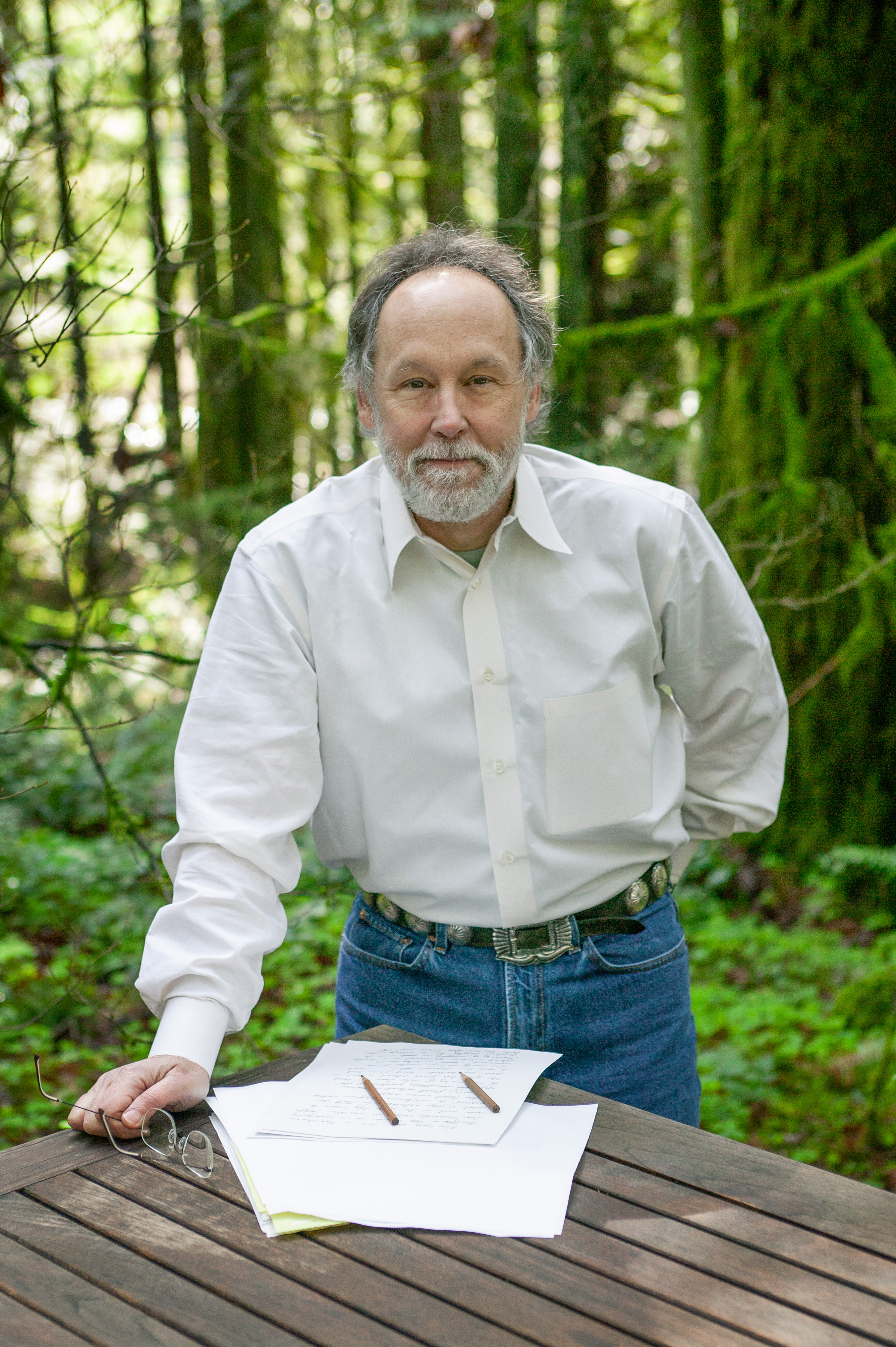
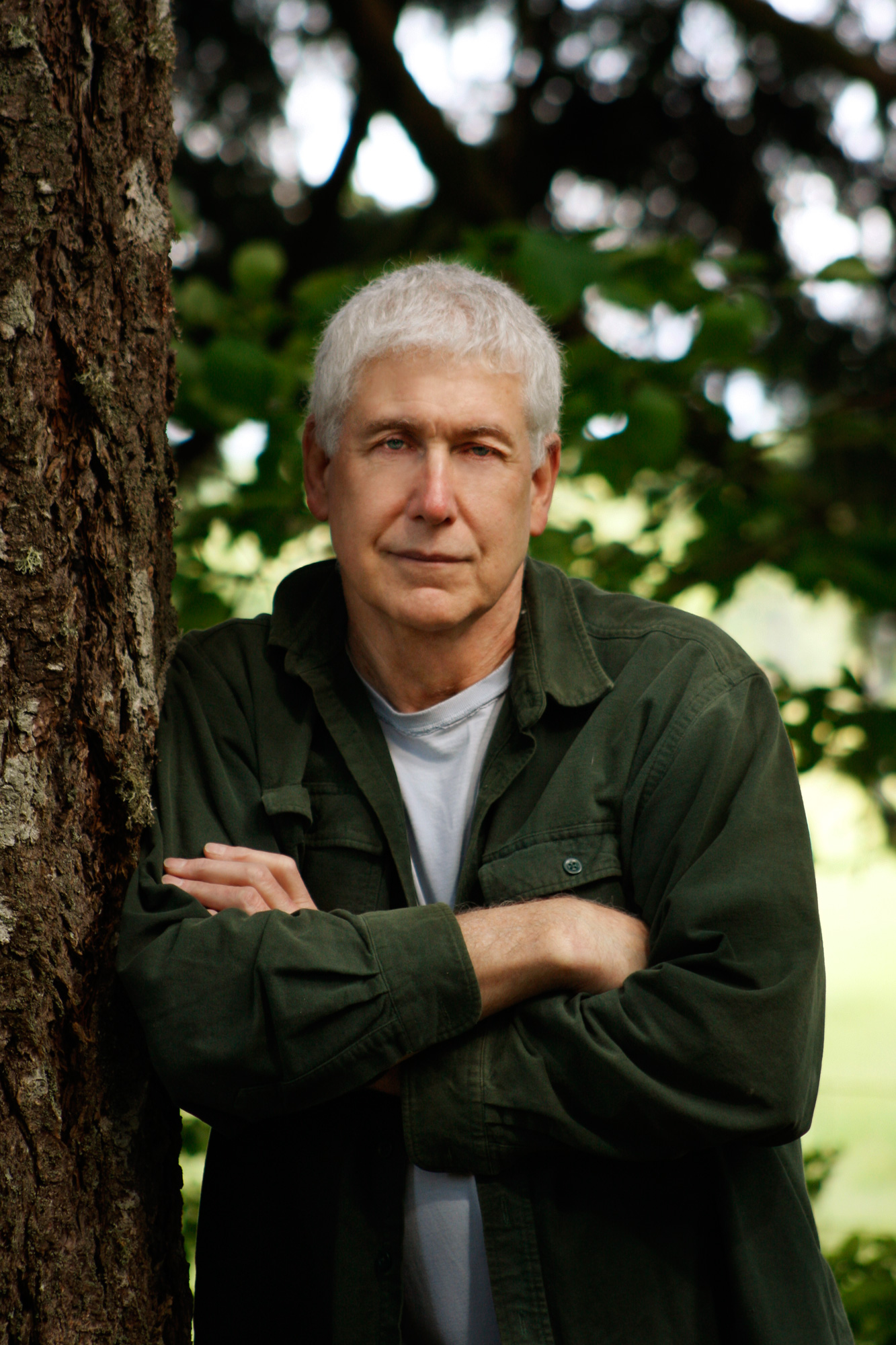
![Photograph by David Liittschwager.]()
Barry Lopez, March 24, 2003, McKenzie River, Oregon.
Photograph by David Liittschwager. Courtesy David Liittschwager
-
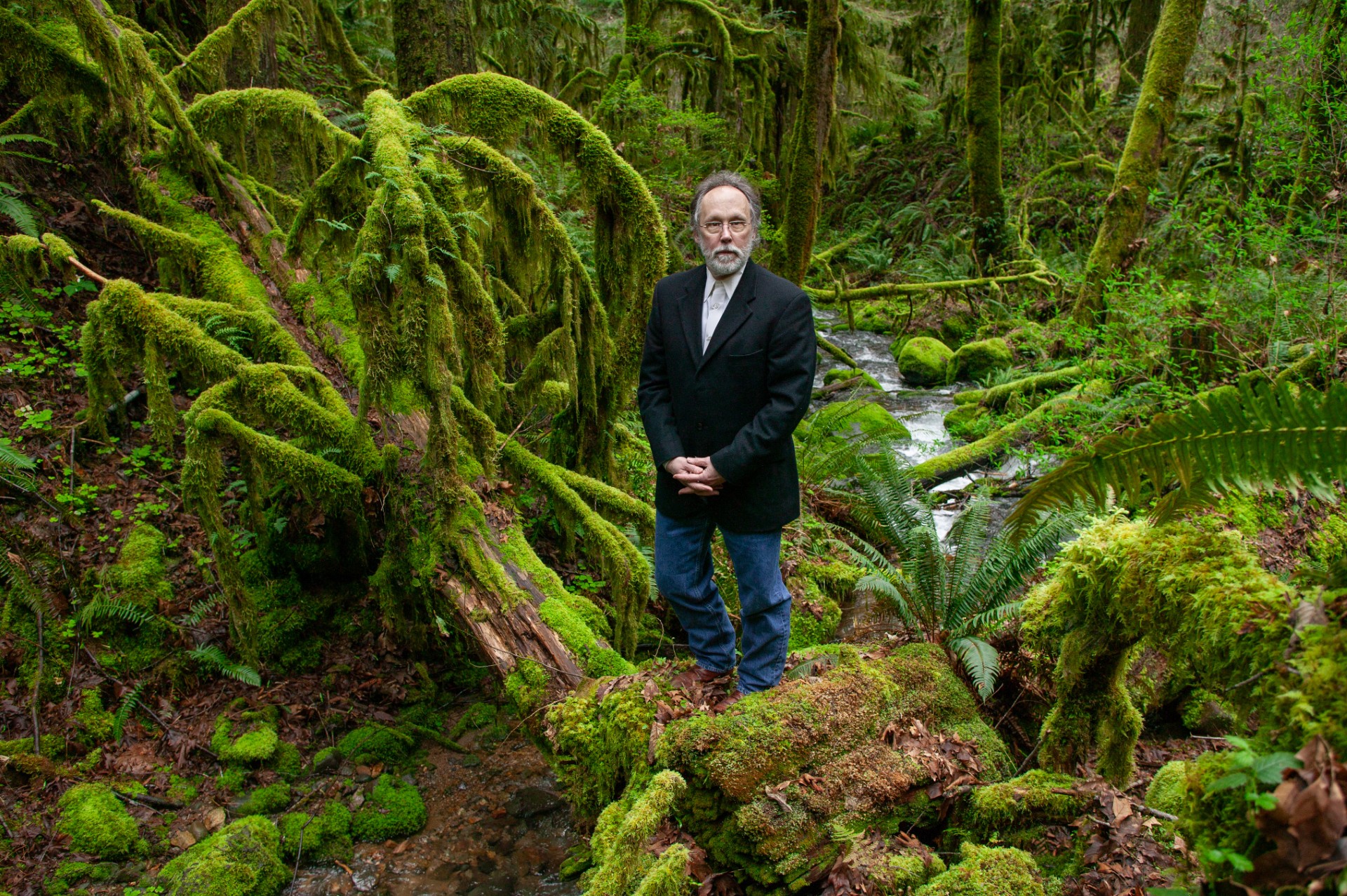
![Photograph by David Liittschwager.]()
Barry Lopez, March 24, 2003, McKenzie River, Oregon.
Photograph by David Liittschwager. Courtesy David Liittschwager
-
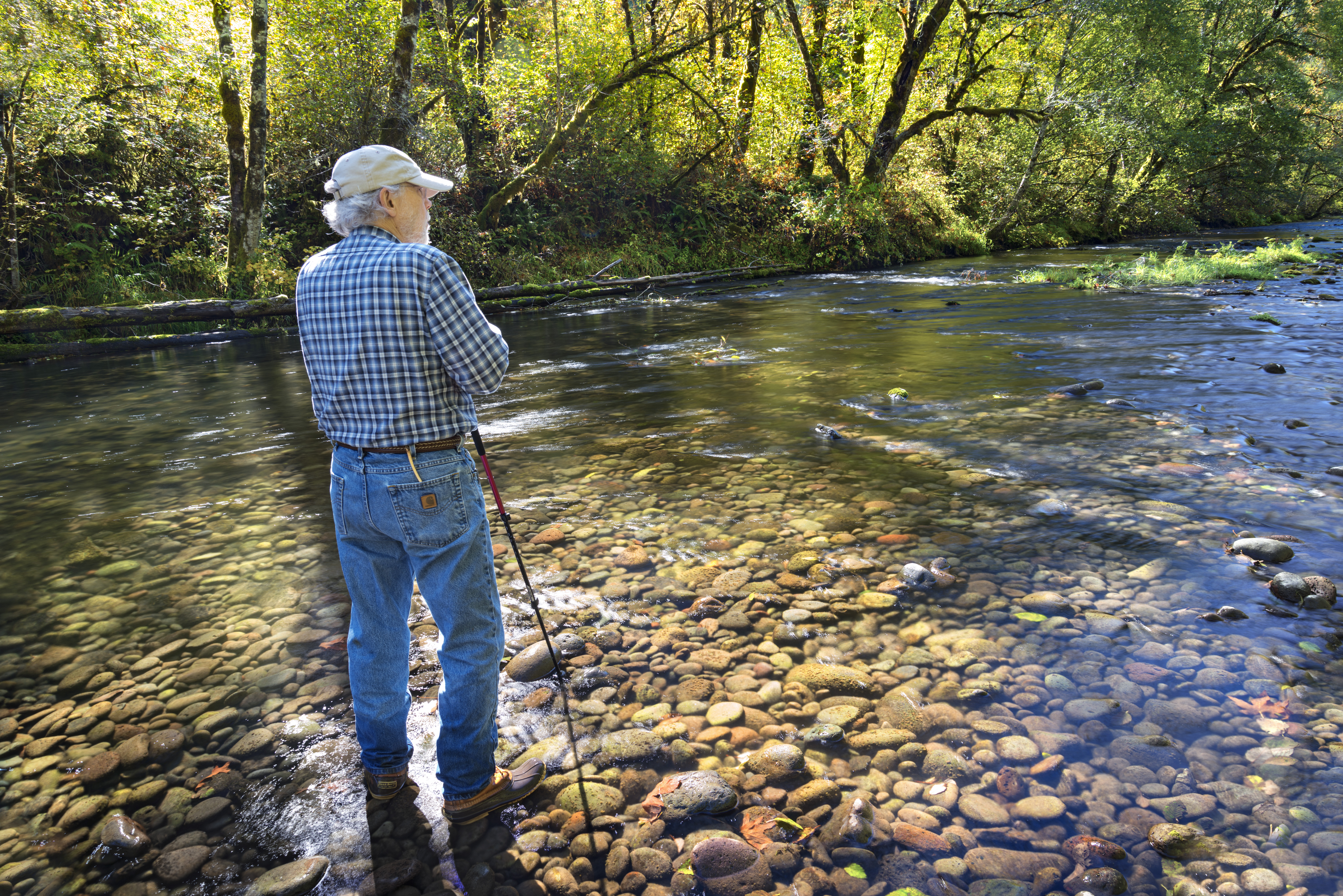
![Tim Giraudier, photographer.]()
Barry Lopez at the McKenzie River.
Tim Giraudier, photographer. Courtesy McKenzie River Trust
Related Entries
-
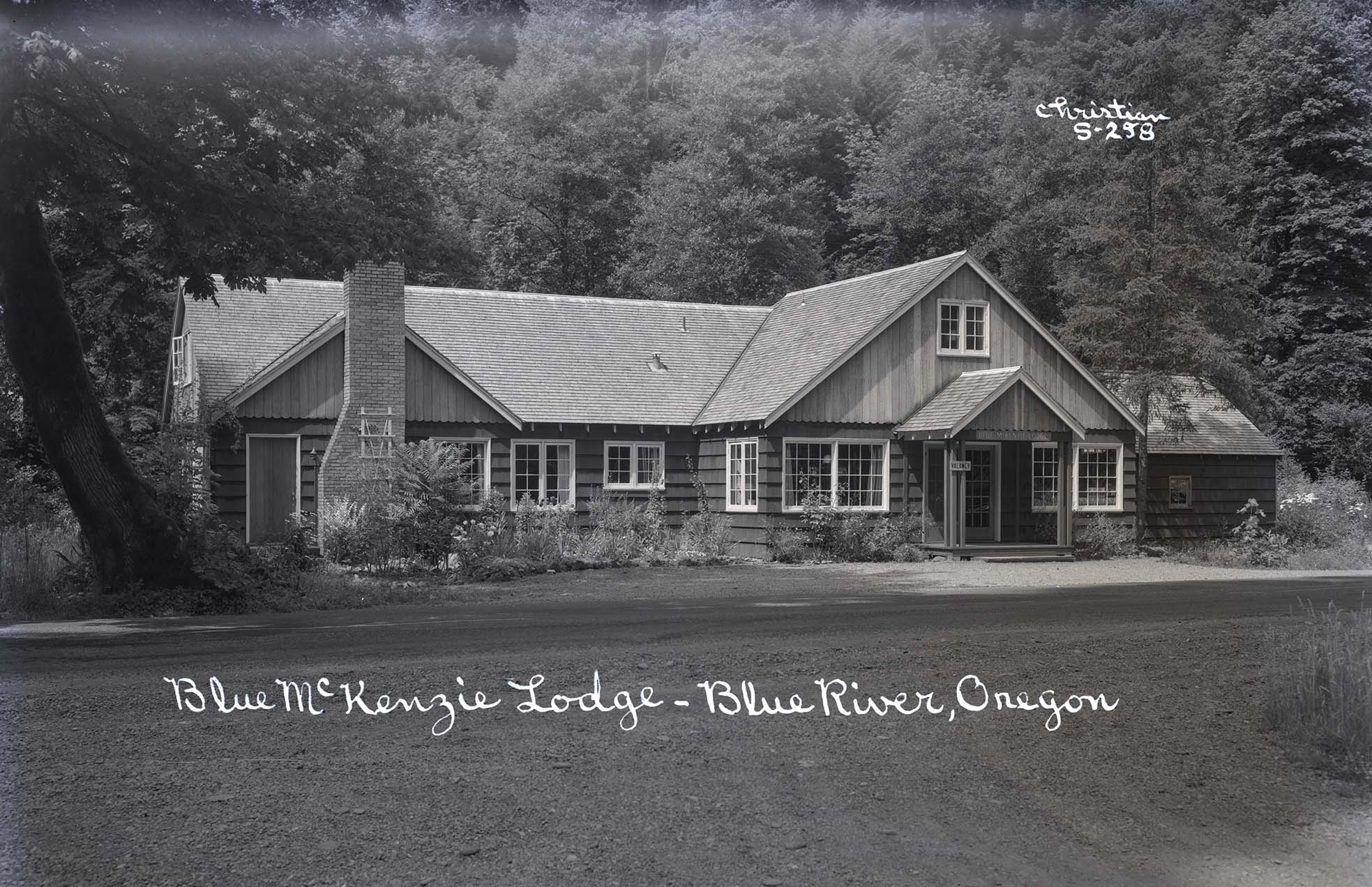
![Community of Blue River]()
Community of Blue River
Blue River is located forty miles east of Springfield along the McKenzi…
-
![John Daniel (1948–)]()
John Daniel (1948–)
The winner of three Oregon Book Awards, John Daniel is the author of es…
-
![McKenzie River]()
McKenzie River
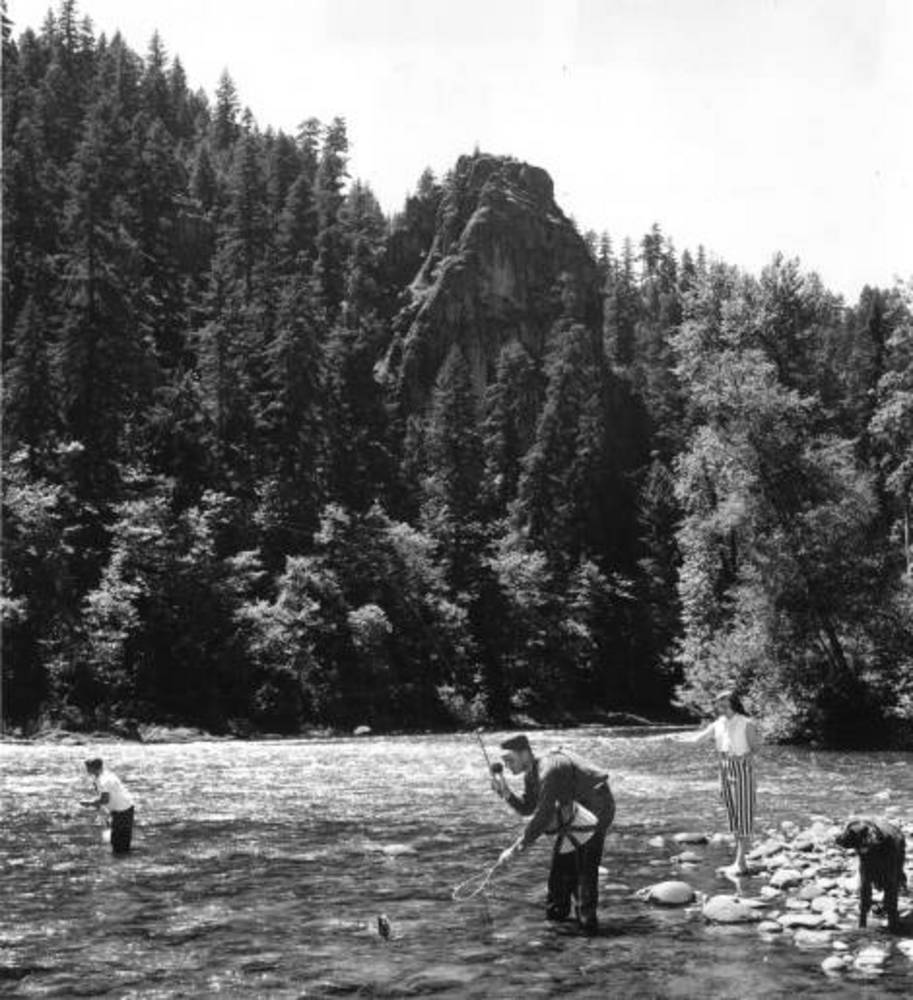
The McKenzie River, on the western slope of the Cascade Range, starts o…
-
![Robin Cody (1943-)]()
Robin Cody (1943-)
Robin Cody, born in St. Helens, Oregon, in 1943, was educated at Estaca…
-
![William Kittredge (1932-2020)]()
William Kittredge (1932-2020)
William Kittredge is an award-winning author, influential teacher, and …
-
![William Stafford (1914-1993)]()
William Stafford (1914-1993)
William Stafford, one of America’s most widely read poets, was born in …
Map This on the Oregon History WayFinder
The Oregon History Wayfinder is an interactive map that identifies significant places, people, and events in Oregon history.
Further Reading
Keefer, Bob. “Lopez’s Book on Arctic is best in America.” The Eugene Register-Guard, November 19, 1986, 1B.
Lopez, Barry. Resistance. New York, NY: Knopf, 2004.
---. Embrace Fearlessly the Burning World: Essays. New York, NY: Random House, 2022.
---. Light Action in the Caribbean: Stories.New York, NY: Random House, 2000.
Lopez, Barry, and Julia Martin. Syntax of the River: The Pattern Which Connects. San Antonio, TX: Trinity University Press, 2022.
Lopez, Barry, Charles Wright, and Maxine Hong Kingston. “A Chinese Garland.” The Missouri Review 273.3 (September 1988): 38-42.
Tredinnick, Mark. The Land’s Wild Music: Encounters with Barry Lopez, Peter Matthiessen, Terry Tempest Williams & James Galvin. San Antonio, TX: Trinity University Press, 2005.
Tydeman, William E. Conversations with Barry Lopez: Walking the Path of the Imagination. Norman: University of Oklahoma Press, 2013.