


Welcome to the Oregon Encyclopedia.
Explore Oregon's history and culture — from Athapaskan Indians to Zigzag Ranger Station
-
April: National Volunteer Appreciation
Learn about some of Oregon's institutions that rely on the dedication of volunteers.
-
![Basic Rights Oregon]()
Basic Rights Oregon
Established in 1996, Basic Rights Oregon was the first statewide political organization in Oregon t…
-
![Centro Cultural de Washington County]()
Centro Cultural de Washington County
Centro Cultural de Washington County is an educational and cultural center in Cornelius that offers…
-
![Children's Festival]()
Children's Festival
Each July, the Storytelling Guild of Medford presents the Children's Festival in Jacksonville. This…
-
![Coos History Museum]()
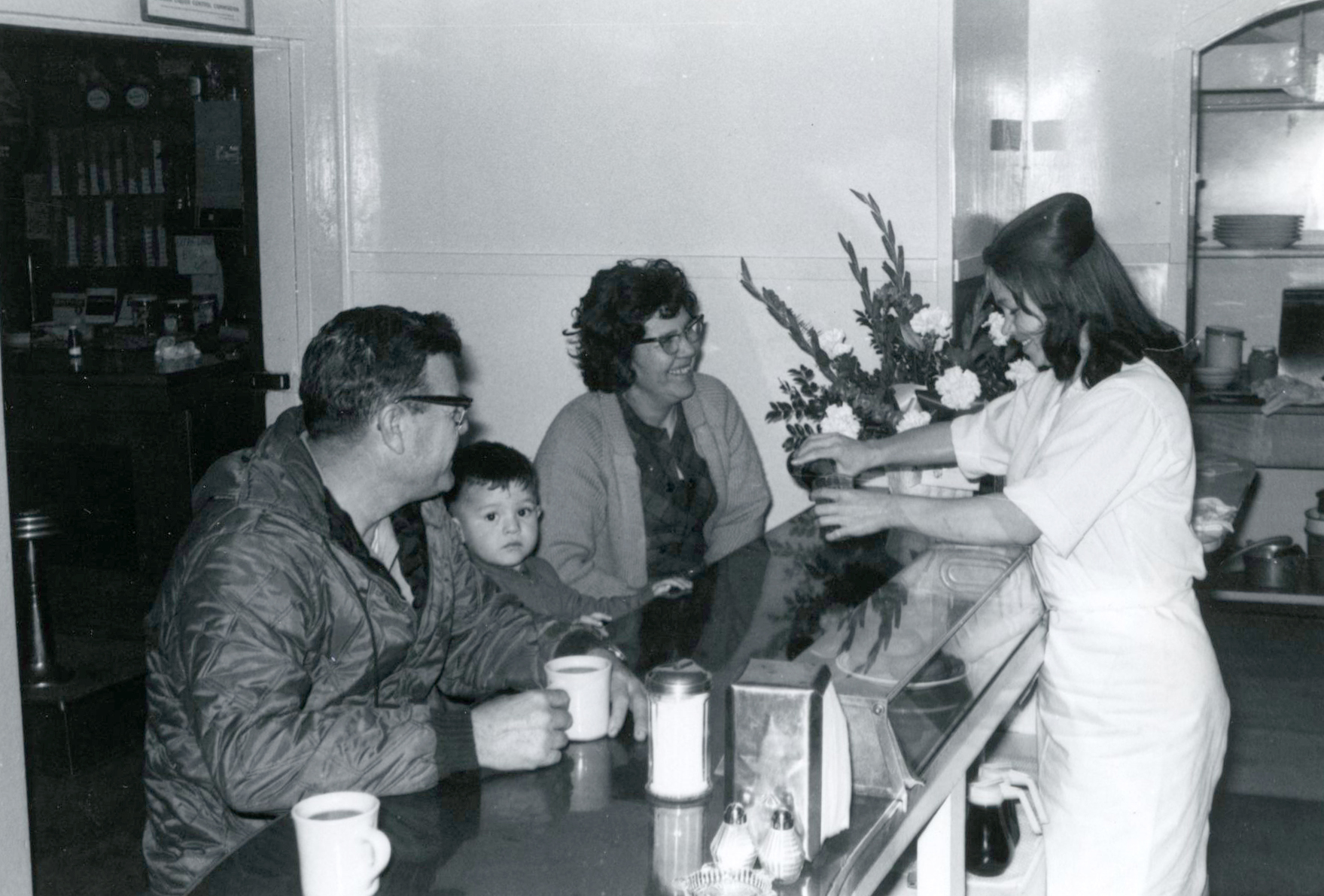
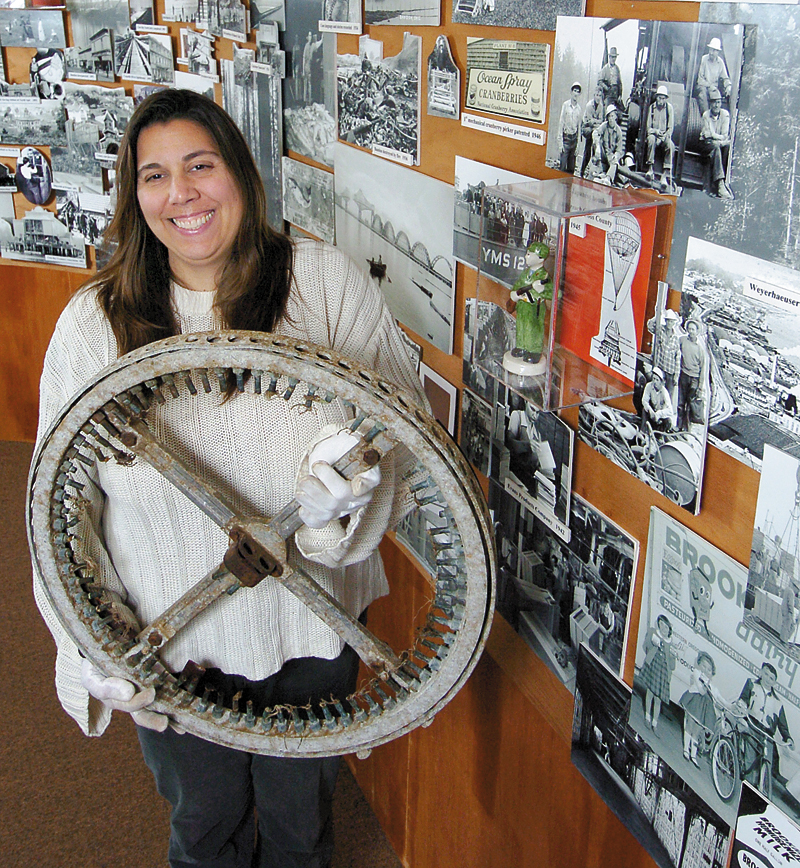
Coos History Museum
The Coos History Museum, operated by the nonprofit Coos County Historical Society (CCHS) in North B…
-
![Deschutes Land Trust]()
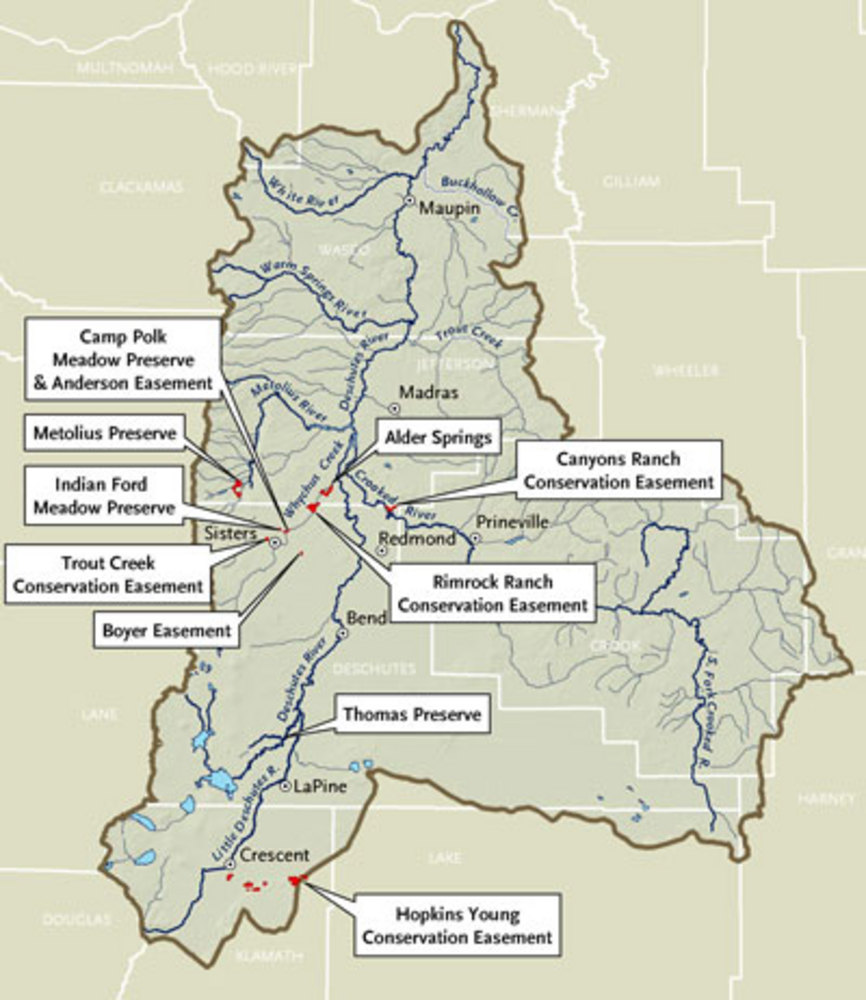
Deschutes Land Trust
The Deschutes Land Trust works cooperatively with landowners to conserve land for wildlife, scenic …
-
![Five Oaks Museum (Washington County Museum)]()
Five Oaks Museum (Washington County Museum)
The Five Oaks Museum, formerly known as the Washington County Museum, is one of the oldest historic…
-
![Friendly House, Inc.]()
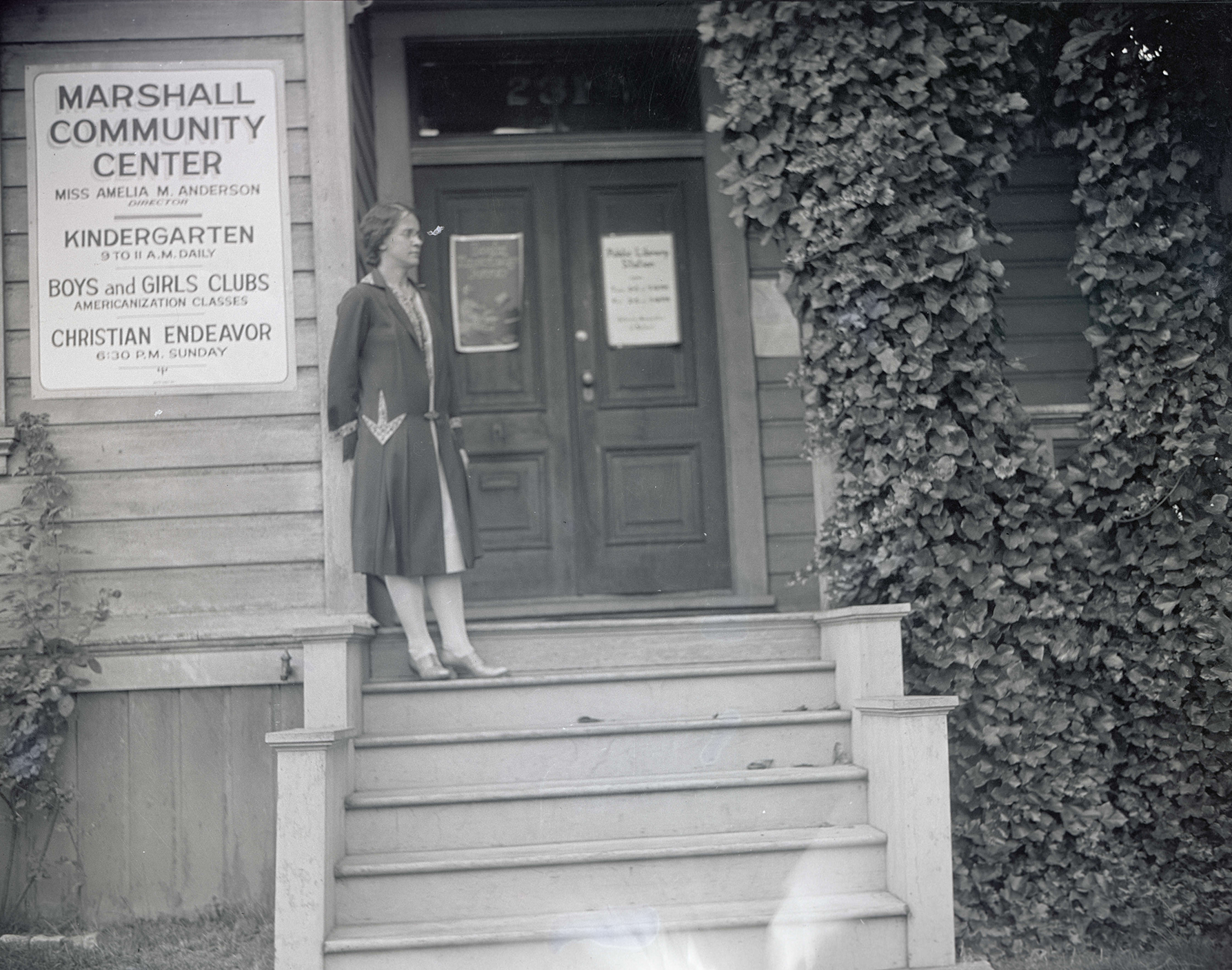
Friendly House, Inc.
The Marshall Street Community Center, founded by the socially minded First Presbyterian Church of P…
-
![Loaves and Fishes]()
Loaves and Fishes
Loaves and Fishes Centers was established in Portland by a group of people who organized in 1969 to…
-
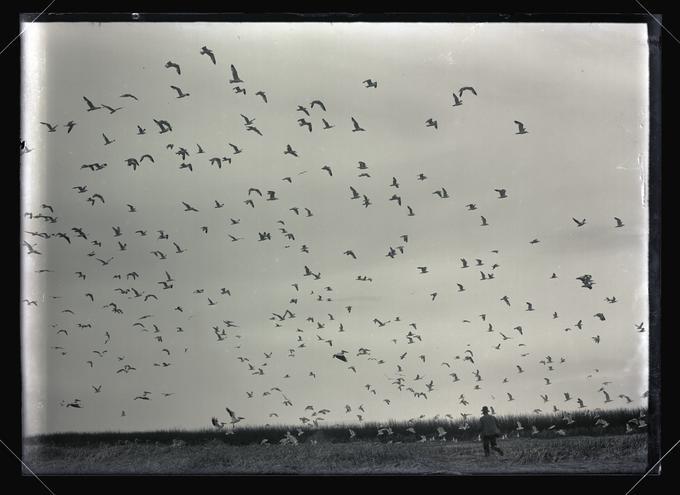
![Malheur National Wildlife Refuge]()
Malheur National Wildlife Refuge
Malheur National Wildlife Refuge, established in 1908 by President Theodore Roosevelt, lies in the …
-
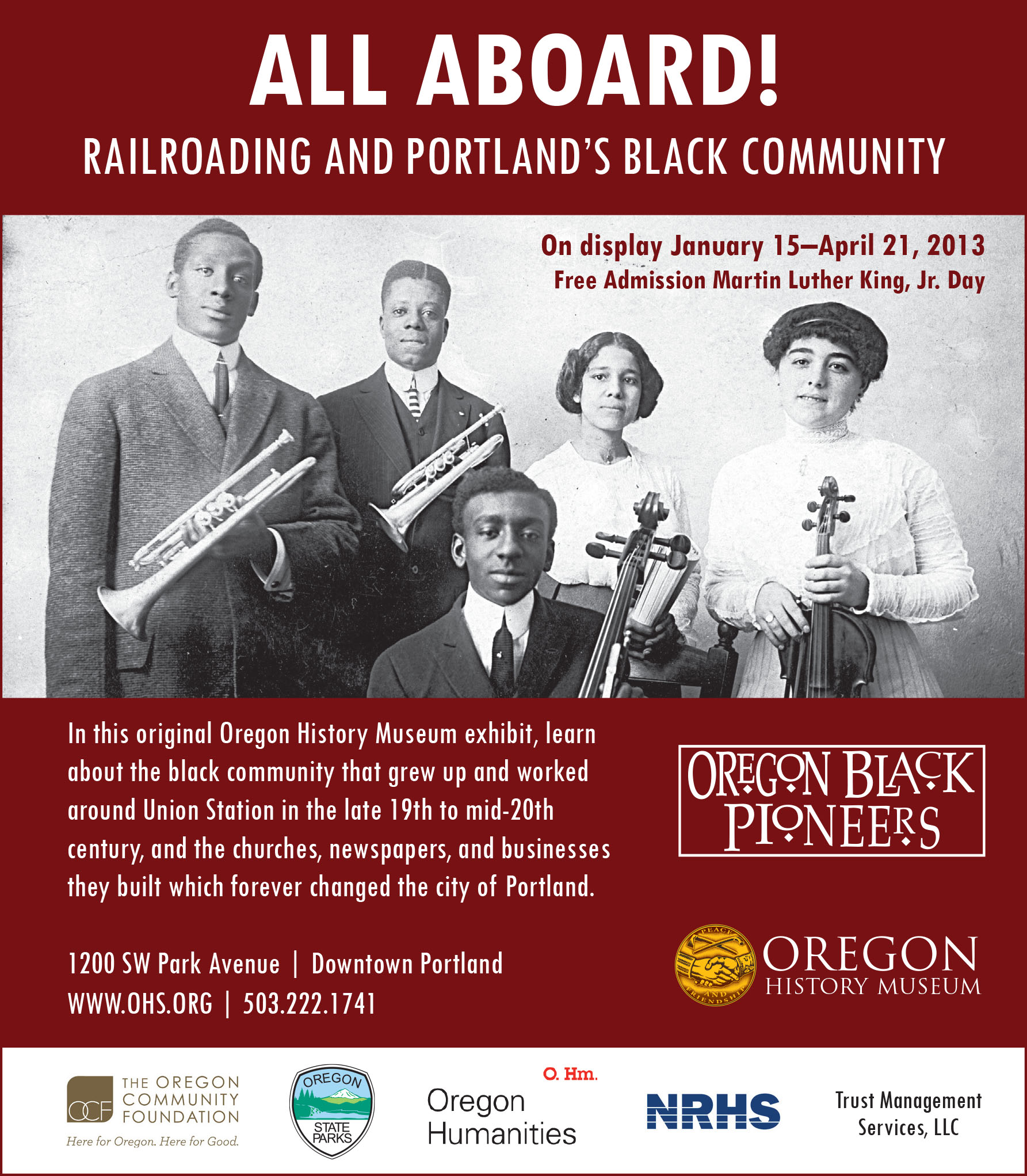
![Oregon Black Pioneers (organization)]()
Oregon Black Pioneers (organization)
Oregon Black Pioneers, an all-volunteer group founded in Salem in 1993, aims to preserve the rich h…
-
![Oregon Historical Society]()
Oregon Historical Society
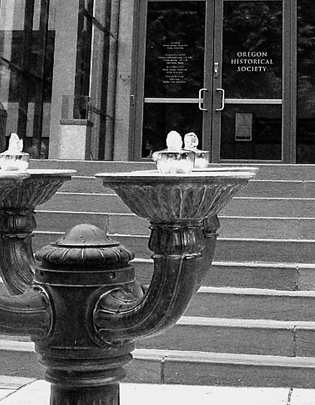
The Oregon Historical Society is a private museum, archival library, and educational institution he…
-
![SOLVE (SOLV)]()
SOLVE (SOLV)
Since its founding in 1969, SOLVE (formerly SOLV) has worked to clean up litter in Oregon. In recen…
-
![Southern Oregon Historical Society]()
Southern Oregon Historical Society
The Southern Oregon Historical Society (SOHS) collects, preserves, and shares the historical docume…
-
![Tamkaliks Celebration and Friendship Feast]()
Tamkaliks Celebration and Friendship Feast
Tamkaliks Celebration takes place each July in Wallowa as a celebration and recognition of Niimiipu…







Feeling adventurous? How Oregonian of you.
Or may we suggest…
Explore OHS Digital History Projects
-
![]()
Wayfinder
An interactive map of notable places, people, and events in Oregon history.
-
![]()
Oregon History Project
The Research Library at the Oregon Historical Society provides direct access to digitized and digital materials as well as narratives from Pacific Northwest historians.
-
![]()
Oregon TimeWeb
An interactive timeline of archival materials and historical scholarship on the history of Oregon.


This Just In
New Entries
"We could see the top of one hill and think that was the last. But when we gained that, others kept rising before us. To look back, in retreat, seemed utterly out of the question. To look forward was to look directly upwards, as the ascent seemed almost perpendicular." Harriet Hitchcock, 13, 1865, Oregon Trail

 No. 7
7
No. 7
7
-
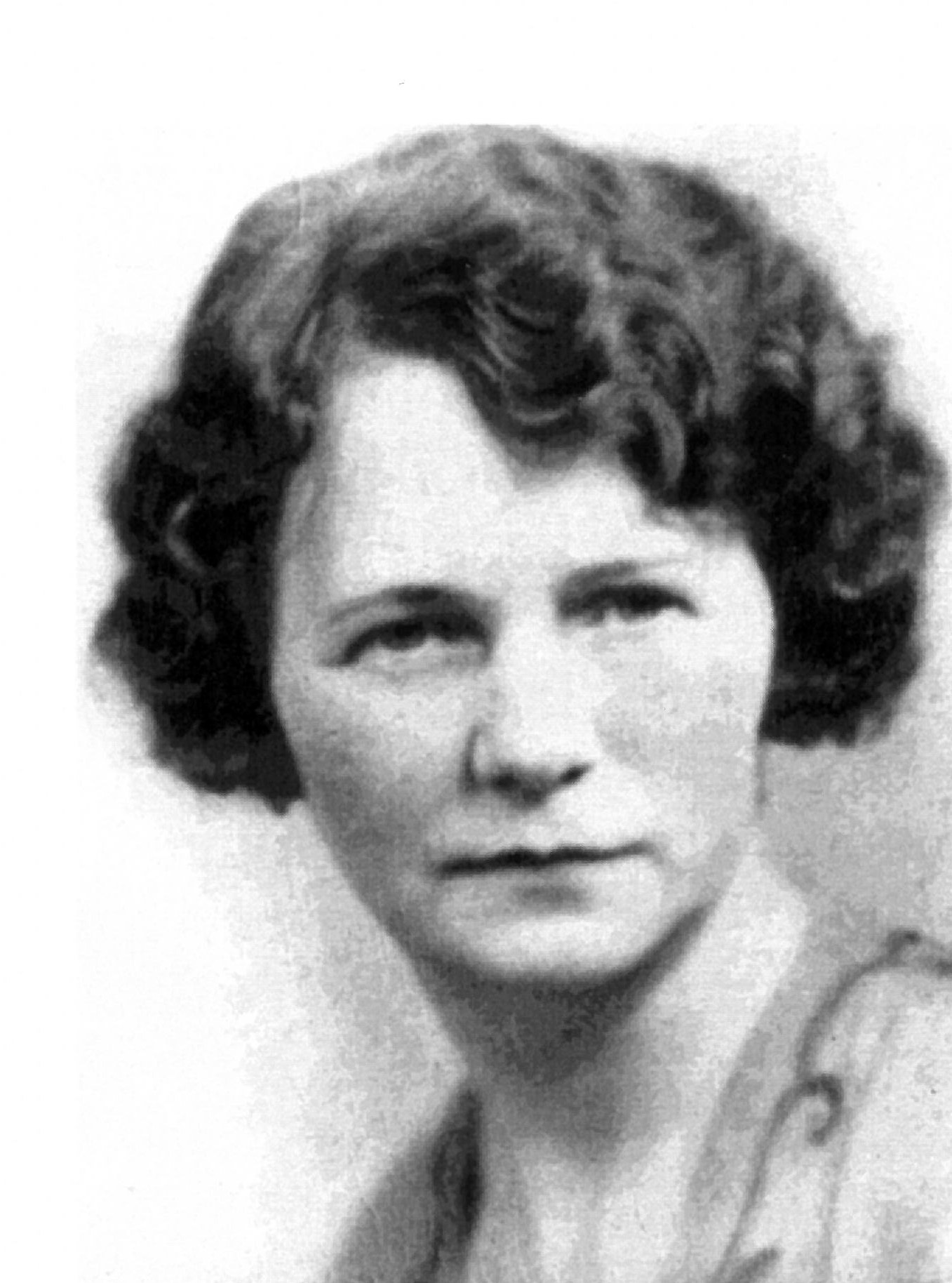
![Blanch McBride Virgin Randle (1887–1978)]()
Blanch McBride Virgin Randle (1887–1978)
In 1928, Blanch McBride Virgin became the first woman in the United Sta…
-
![Bonnie Merrill (1935–2019)]()
Bonnie Merrill (1935–2019)
Bonnie Merrill, a dancer, teacher, and choreographer, was a founder and…
-
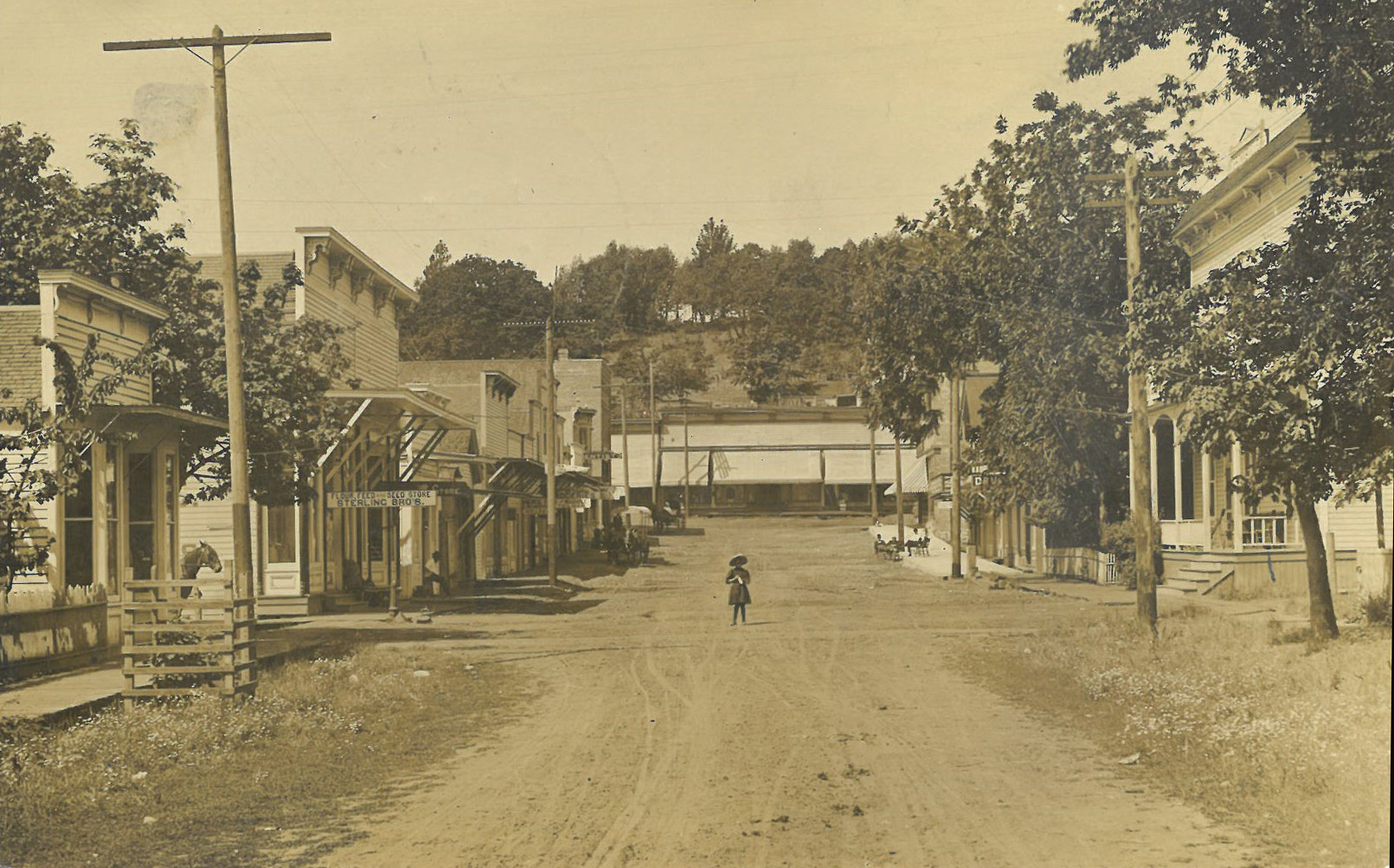
![Brownsville]()
Brownsville
The City of Brownsville (Linn County) is in the southern Willamette Val…
-
![Helen F. Althaus (1910–2006)]()
Helen F. Althaus (1910–2006)
A descendent of Oregon pioneers, Helen Althaus was a pioneer woman lawy…
-
![Helen Jackson Frye (1930–2011)]()
Helen Jackson Frye (1930–2011)
Helen J. Frye was the first woman to serve as a judge of the Lane Count…
-
![Herbert Milton Schwab (1915–2005)]()
Herbert Milton Schwab (1915–2005)
Herb Schwab was the first chief judge of the Oregon Court of Appeals, a…
-
![Mt. Ashland Ski Area]()
Mt. Ashland Ski Area
The Mt. Ashland Ski Area, which encompasses over 240 acres of national …
-
![Siskiyou Mountains in Oregon]()
Siskiyou Mountains in Oregon
Southwestern Oregon’s Siskiyou Mountains, which comprise the largest su…
-
![Stephen Rogers McCarthy (1943–2023)]()
Stephen Rogers McCarthy (1943–2023)
An adventurer who took risks in life and in business, Steve McCarthy wa…
-
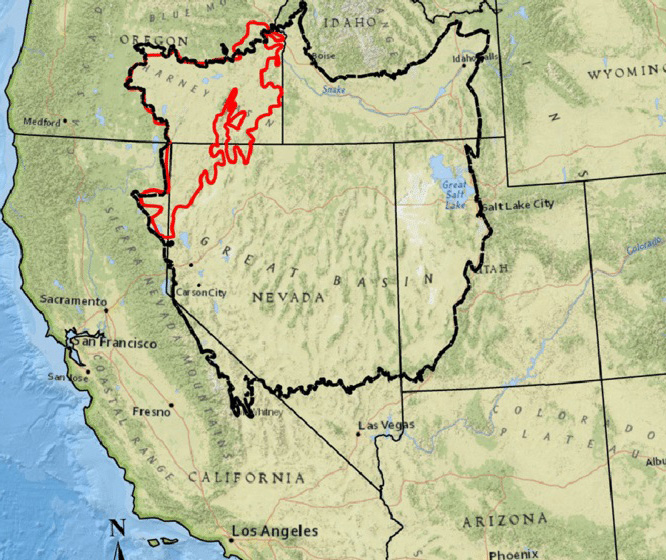
![The Northern Great Basin During the Ice Age]()
The Northern Great Basin During the Ice Age
During the Ice Age, from about 25,000 to 11,700 years ago, the Northern…





The OE is Green!
Our editorial process is completely paperless — authors and editors use a one-of-a-kind online workshop developed by Portland State University. We've published hundreds of authoritative entries on Oregon history and culture without hurting a single Douglas Fir. Donate your green to The OE and keep us — and the trees — growing.

Additional Funding
-
![]()
This project has been funded in part by the Oregon Heritage Commission and the Oregon Cultural Trust
-
![]()
This project has been funded in part by an American Rescue Plan Act Grant from the Institute of Museum and Library Services through the Library Services and Technology Act, administered by the State Library of Oregon.


Project Partners
-
![https://www.pdx.edu/]()
-
![https://oregoncouncilofteachersofenglish.wildapricot.org/]()
-
![https://willamette.edu/]()
-
![https://wou.edu/]()